
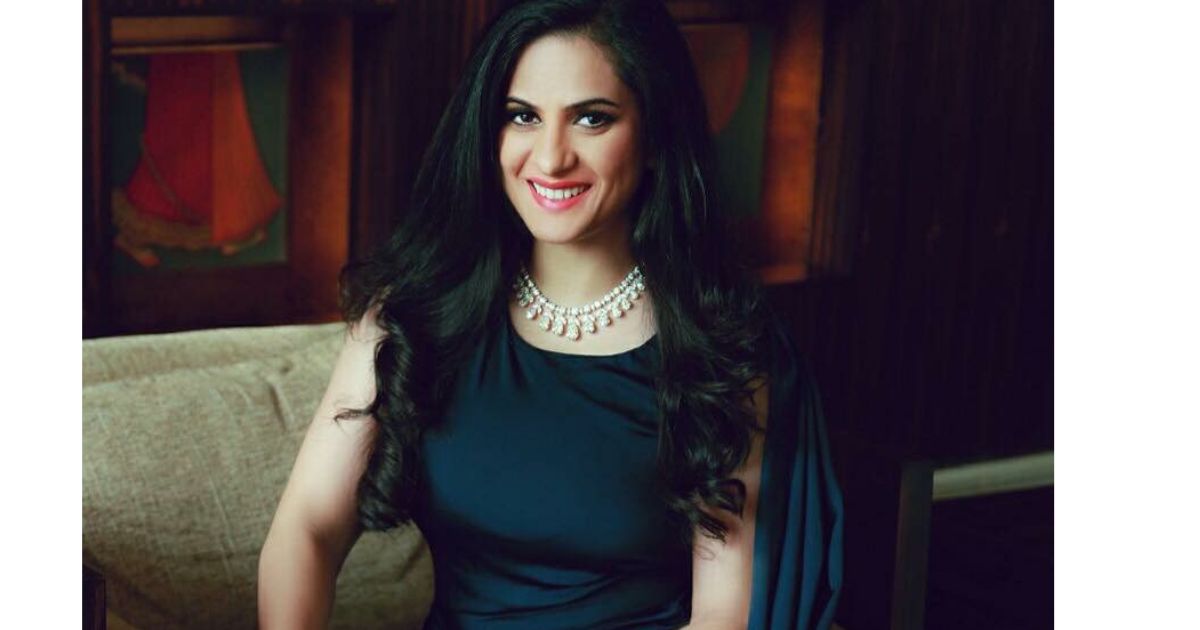
In an exclusive interview with The Daily Guardian, Sonal Jindal, Founder of Medusa Group, shares her inspiring journey of blending fashion, trade, and social impact. From championing Indian designers on global runways to creating empowering ecosystems for women-led MSMEs, Jindal talks about the philosophies that drive her, the role of global education in shaping her leadership, and the strategies behind Medusa’s success in transforming India’s creative economy.
1. Sonal, your entrepreneurial journey is a compelling blend of fashion, trade, and social change. What personal philosophies or life experiences have shaped your vision across these diverse domains?
Thank you. My journey has been deeply personal and purpose-driven. Growing up in the culturally rich yet economically stratified landscape of India, I witnessed firsthand how creativity and commerce can transform lives—especially for women. My core philosophy is simple: empower at the roots to bloom globally. Whether it’s through fashion showcases, artisan supply chains, or policy-led social impact, I’ve always believed in creating ecosystems—not just businesses. Every initiative I lead is rooted in inclusion, dignity of labor, and sustainable growth. I’ve seen women rise when you give them opportunity—not charity—and that belief has become my compass.
2. With certifications from Harvard, MIT, and Columbia, how has global education enriched your leadership style, especially in building women-centric business ecosystems in India?
Global education gave me a wider lens to local problems. It taught me to think systemically, innovate ethically, and scale thoughtfully. At institutions like Harvard, MIT, and Columbia, I learned not just frameworks, but the art of decision-making in ambiguity. When I came back to apply this knowledge in India, especially for women-led MSMEs, I realized we don’t lack talent—we lack structures that support it. My leadership today blends global vision with grassroots action. It’s about building bridges—between urban and rural, between craft and commerce, between India and the world.
3. What secrets lie behind MEDUSA’s success in catapulting Indian fashion onto the world’s most coveted runways, and what strategies have proven pivotal in placing Indian designers on the global stage?
MEDUSA’s success is not just about fashion—it’s about strategy, storytelling, and soul. We’ve always positioned Indian designers not as imitators of the West but as custodians of a 5,000-year-old legacy reimagined for the modern world. One of our key strategies has been global placement with cultural pride—we don’t dilute our heritage, we elevate it. From curating shows at London Fashion Week to building strong PR and export networks, we ensure our designers are seen, heard, and sold. Behind the glam is a rigorous backend—from legal guidance to international trade facilitation—making sure Indian talent competes on equal footing globally.
4. MEDUSA’s exhibitions have helped over 2,000 women entrepreneurs. What do you believe are the biggest challenges women-led MSMEs face today, and how does MEDUSA help overcome them?
The biggest barriers are access—access to capital, to markets, and to confidence. Many women entrepreneurs are first-generation risk-takers navigating complex social norms and structural hurdles. MEDUSA steps in as an enabler. Our exhibitions are more than stalls—they are stages where dreams are validated. We provide market linkage, mentorship, global exposure, and a strong sense of community. More importantly, we make these women visible—to buyers, investors, and to themselves. When a woman sees her creation appreciated on an international platform, something shifts inside her. That shift is where real transformation begins—and that’s the impact we’re proud of.