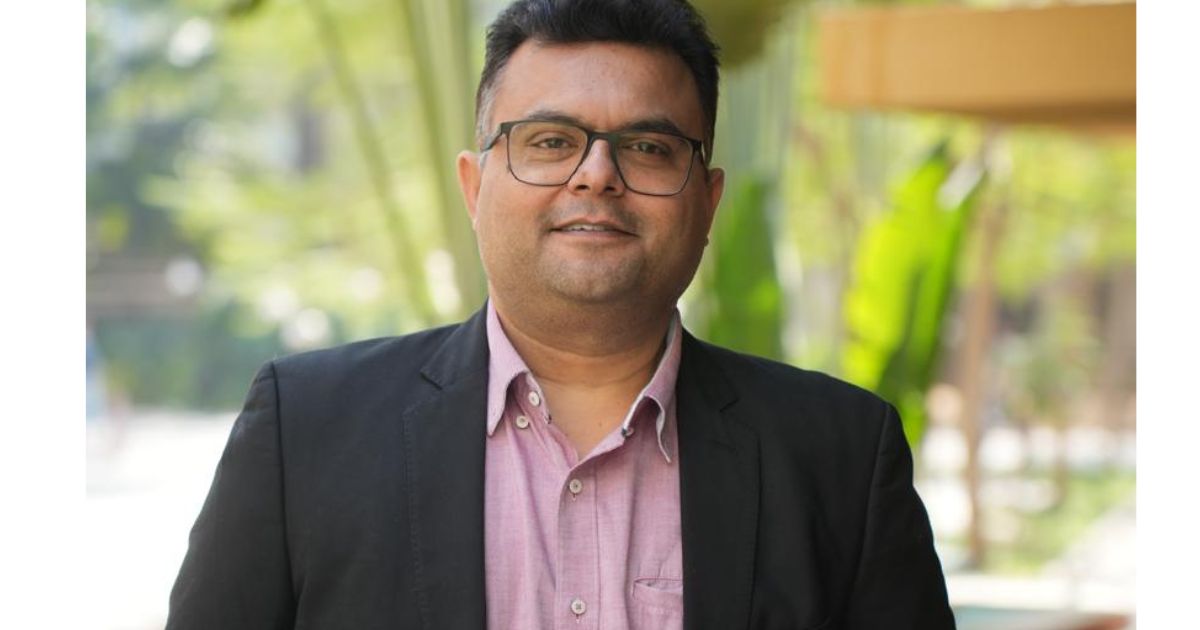
In an interview with The Daily Guardian, Prof. (Dr.) Sandeep Vasant—Fulbright Scholar, Professor of Computer Science, and Registrar at Navrachana University, Vadodara—shares his insights on how artificial intelligence is transforming university admissions. With over two decades of experience in higher education and a strong commitment to inclusive academic practices, Prof. Vasant discusses the balance between automation and human judgment, the role of AI in improving applicant experience, and the innovations set to redefine the future of admissions.
Q1. What are some of the most effective AI-led interventions you’ve seen recently in streamlining university admissions, and how have they impacted applicant experience?
Ans : AI chatbots and messaging support have indeed transformed university admissions by offering 24/7 guidance and timely reminders, reducing applicant stress and enhancing efficiency. Personalized, real-time updates make the process feel more supportive and accessible, significantly improving the applicant experience.
Q2. In your view, how can universities use automation not just for operational ease, but also to ensure inclusivity and fairness in the admission process?
Ans: Universities can leverage automation to promote fairness and inclusivity in admissions. AI tools can help identify and support underrepresented students by offering tailored scholarships and counseling resources. Automated systems can detect plagiarism, minimize bias in evaluations, and ensure all applicants receive timely and consistent communication. By streamlining workflows and using data-driven insights to address inequities, these technologies contribute to a more transparent and welcoming admissions process—empowering students from all backgrounds to pursue their academic goals with confidence.
Q3. There’s growing interest in real-time application tracking and automated communication with students. How feasible and effective have such tools proven to be on the ground?
Ans: Real-time application dashboards and automated communication tools greatly enhance transparency and student engagement. By displaying statuses like selected, provisionally admitted, or enrolled, and sending timely updates, they reduce anxiety and foster trust. Universities implementing these report improved student experiences, though success hinges on tailored adoption and addressing ethical concerns like data privacy to avoid over-automation.
Q4 How are institutions balancing the use of intelligent systems with human oversight—particularly in decisions that affect student futures?
Ans: Navrachana University Vadodara masterfully integrates AI with human connection in its admissions process. AI efficiently handles initial shortlisting and plagiarism checks for 200-word Statements of Purpose, but the essence lies in personal engagement. Faculty meticulously review each SOP, followed by a dynamic two-way interview with a three-member interdisciplinary panel. This dialogue evaluates passion, clarity of goals, and alignment with the program’s ethos, ensuring fair, holistic decisions that honor the individual, shaping student futures with empathy and insight.
Q5 Looking ahead, what innovations do you foresee transforming university admissions over the next five years—especially in terms of AI, chatbot counselling, or algorithmic applicant profiling?
Ans: Over the next five years, university admissions are likely to be reshaped by AI-driven, holistic application assessments, intelligent chatbots providing 24/7 personalized counselling, and predictive algorithms that evaluate applicant potential and institutional fit. Emerging options; such as integrating speech recognition into chatbot interfaces; could allow for more intuitive, voice-based interactions, improving accessibility for students with diverse linguistic or physical needs. Other anticipated innovations include video essays, bias-mitigating transparent machine learning, and hyper-personalized outreach strategies. Collectively, these developments have the potential to make the admissions process more inclusive, responsive, and equitable; offering students real-time, tailored support while helping institutions make more informed and fair decisions.