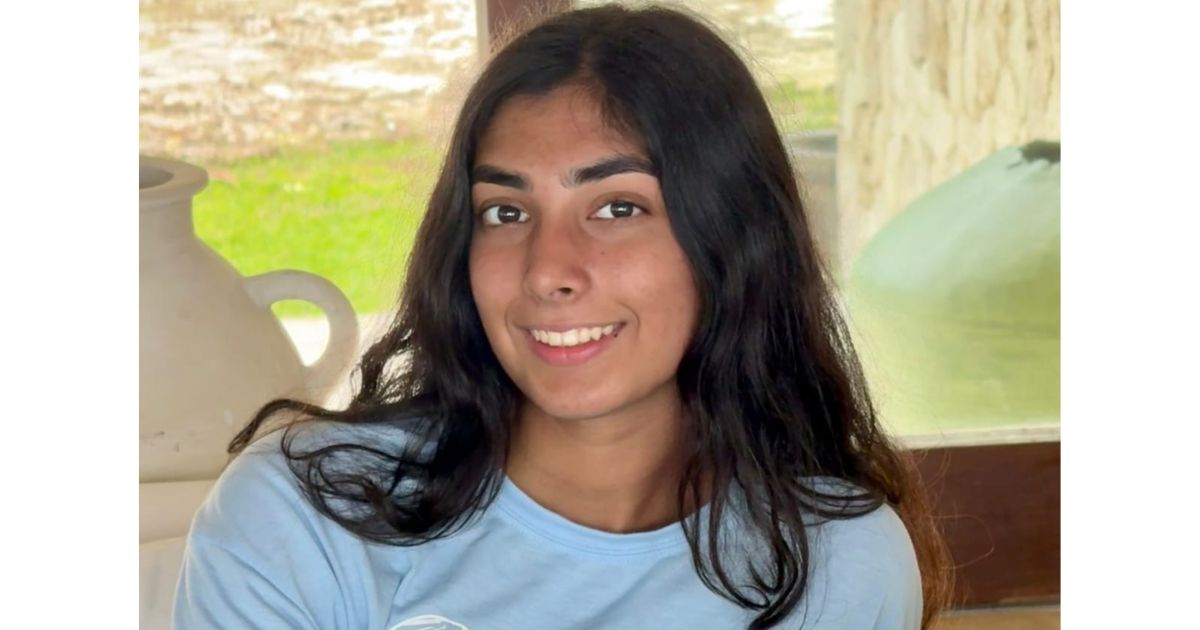
In an exclusive conversation with The Daily Guardian (TDG), a young photography enthusiast, Ahaana Javeri shares how a passion sparked during a course in Mumbai and a National Geographic expedition evolved into a heartfelt project spotlighting the city’s street vendors. From overcoming hesitation to creating a diary that blends art with purpose, she talks about her journey, the stories that moved her, and how photography became a tool for change.
Q: What inspired you to shift your photography focus from wildlife to Mumbai’s street vendors?
A:
I really fell in love with photography after a course in Mumbai and then a photography expedition with National Geographic to Galápagos and Ecuador. At first I was more into wildlife, but being back in Mumbai made me see the street vendors differently — their stories, struggles, and strength. I felt they deserved to be seen and celebrated too, so I shifted my lens towards them.
Q:
How did you overcome the initial hesitation of approaching strangers and gaining their trust?
A:
At first I was really shy and even a little scared to approach strangers. My mom helped me in the beginning by talking to the vendors, and to my surprise most of them were so warm and excited to have their photo taken. That gave me confidence, and after a few weekends I felt comfortable enough to approach them on my own.
Q:
Can you share one story from your interactions with street vendors that deeply moved you?
A:
One story that really stayed with me was an elderly banana vendor I met at Bora Bazar. At first he was hesitant, but then he opened up about his struggles — needing money for a house and his medical bills. Even with so little, he still carried a sense of contentment. Next to him was a cow keeper, who shyly came forward after hearing us talk. She asked if I could help her buy supplies for her cows, so she could save enough to support her son who is unable to speak. Both their honesty and resilience really moved me.
Q
. What was the most challenging part of creating your book, and how did you navigate it?
A: The most challenging part was balancing aesthetics with usability. I wanted the photographs to really be the hero of the diary, but at the same time it had to be something people could actually use every day. Finding that balance between making it beautiful and making it practical took a lot of thought
Q:
Your project goes beyond photography by providing tangible support to vendors. What motivated you to take this extra step?
A:
Photography has become my absolute passion, and spending most weekend mornings with the vendors made me see the real soul of Bombay. Their humility and honesty touched me deeply, and I felt I couldn’t just stop at photographing them. I wanted to give back in some way. That’s why I started fundraising for 6–8 vendors each month — it’s my small contribution to the people who are really the backbone of Mumbai
Q:
Tell us about your upcoming 2026 diary project – what can people expect from it, and how will it help the vendors?
A:
The 2026 diary is my way of showing the world Mumbai — not through the city’s buildings or landmarks, but through the faces and lives of its street vendors. The diary is filled with my photographs which reflects the spirit of the city. All the proceeds will go directly towards helping the vendors with things they need for their livelihoods, so every diary sold creates a real impact in their lives.
Q:
As a young student balancing academics and passion projects, how do you manage your time and stay motivated?
A:
This is my passion, and it’s become such an important part of my weekends that I always look forward to it. It doesn’t feel like work — it feels natural and gives me a lovely break from the pressure of academics.
Q: What message do you hope your work sends to other young people who want to create meaningful change in their communities?
A:
“Even the smallest step can create real change — just begin, and let your passion guide you.”