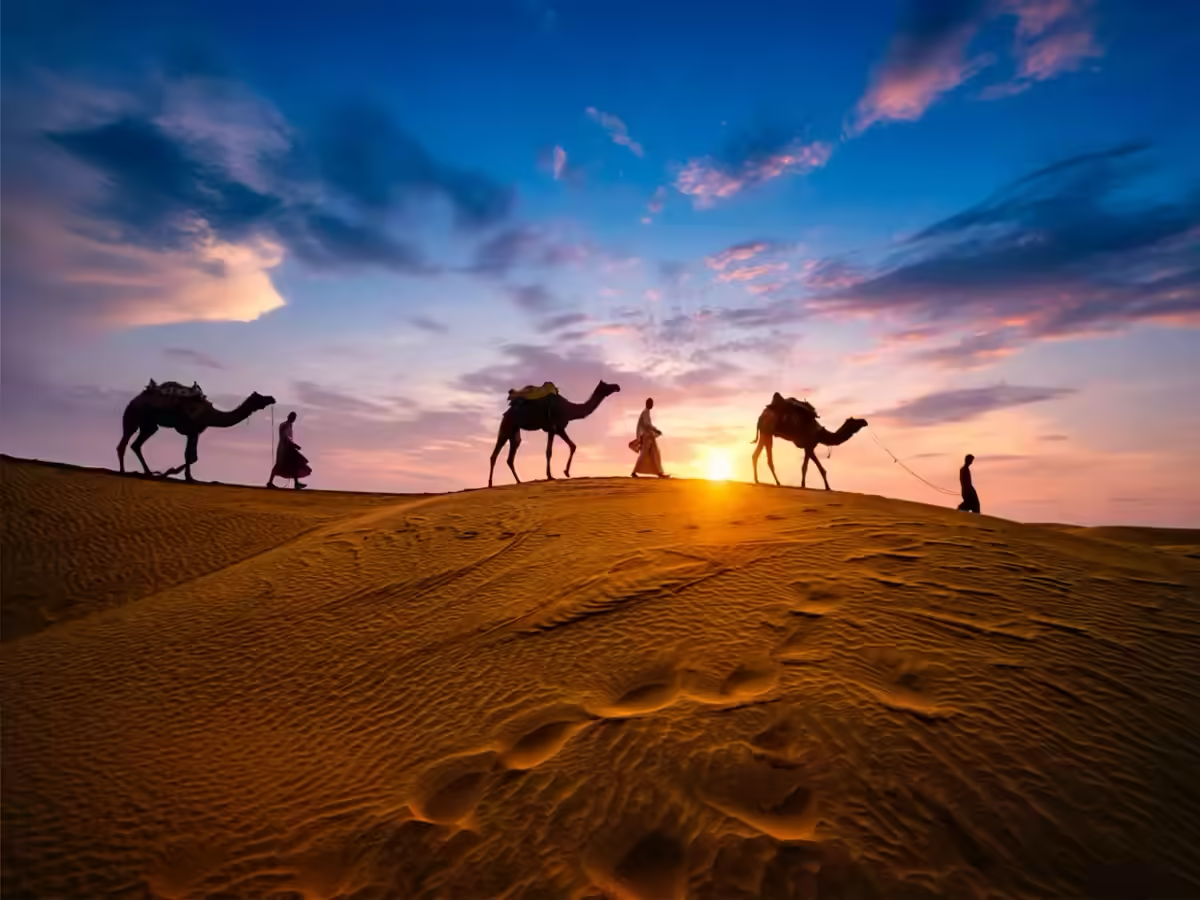
JAIPUR: In Rajasthan, history does not sleep during summer—it endures. When the desert sun turns relentless and the winds grow dry, the land responds not with silence but with celebration. For centuries, Rajasthan’s festivals have been acts of resilience, woven into daily life as survival strategies, social bonds, and cultural memory. Today, these same festivals are quietly shaping a powerful narrative of heritage tourism, where travelers come not just to see monuments, but to feel history alive.
Festivals as Historical Memory: Long before tourism departments, festivals in Rajasthan marked agricultural cycles, royal calendars, spiritual observances, and community cohesion. Medieval chronicles and travel accounts reveal that fairs and seasonal gatherings were spaces of exchange—goods, ideas, marriages, music, and oral histories. These events sustained desert societies where survival depended on cooperation and cultural continuity. Unlike many regions where festivals faded or transformed into spectacles, Rajasthan preserved its rituals through repetition. That continuity is what gives today’s festivals their authenticity—and global appeal.
Gangaur: Where Royal History Meets Modern Streets: Celebrated during early summer in cities like Jaipur, Udaipur, and Jodhpur, Gangaur is one of Rajasthan’s oldest festivals. Historically observed by Rajput queens within palace precincts, Gangaur symbolized devotion, fertility, and marital harmony. Over time, the ritual moved beyond palace walls, becoming a shared cultural expression. In 2025, Gangaur processions in Jaipur’s old city witnessed a noticeable rise in domestic and international tourists who chose to walk alongside local women rather than observe from balconies. Heritage walks organized around Gangaur have transformed the festival into an immersive historical experience, allowing visitors to understand gender roles, ritual symbolism, and urban continuity through lived practice.
Mount Abu Summer Festival: Geography as History: Mount Abu’s summer festival offers a unique contrast to desert Rajasthan. Historically, the hill station served as a retreat for rulers, saints, and later colonial administrators. The summer festival reflects this layered past—combining folk traditions with refined artistic expressions. Recent editions of the festival have emphasized eco-cultural tourism, highlighting tribal art forms, local music traditions, and lake-based cultural evenings. Travelers increasingly seek Mount Abu not merely as a cool escape but as a site where nature, history, and culture intersect. Udaipur’s Cultural Evenings: Infinite Heritage Tourism: Udaipur’s summer cultural programs—often hosted near lakes or heritage properties—are gaining recognition among travelers seeking quieter, meaningful experiences. These gatherings echo the city’s historical role as a patron of arts, where music and poetry were integral to courtly life. Today, curated performances featuring traditional instruments like the sarangi and ravanhatta connect visitors to centuries-old artistic lineages. Unlike mass festivals, these evenings offer slow tourism, allowing history to unfold gently rather than dramatically.
Desert Districts and Community-Led Celebrations: In districts such as Barmer, Bikaner, and Nagaur, small summer gatherings rooted in folk traditions are drawing interest from culturally sensitive travelers. These include oral storytelling sessions, craft demonstrations, and devotional singing—practices that once functioned as informal historical records. Such events are significant because they reverse the usual tourism gaze. Instead of staging culture for visitors, communities invite participation on their own terms. This model preserves dignity, authenticity, and intergenerational transmission of heritage.
Tourism with a Conscience: Rajasthan’s summer festivals are increasingly aligned with sustainable tourism principles. Heritage departments and local bodies are emphasizing: Local guides and historians; Traditional artisans and performers; Environment-sensitive event planning: This shift recognizes that festivals are not commodities but cultural responsibilities. When tourists engage respectfully, festivals become bridges—connecting past and present, host and visitor.
Why Summer Matters: Summer festivals challenge a common misconception that Rajasthan’s cultural life pauses during extreme heat. Historically, communities adapted their celebrations to climate realities—choosing evenings, shaded courtyards, and water-centric rituals. These adaptations reveal a deep environmental intelligence embedded in culture. For modern travelers, summer festivals offer a truer understanding of Rajasthan—not a curated winter postcard, but a living society shaped by endurance.
When History Walks with Travelers: Rajasthan’s summer festivals remind us that heritage is not frozen in time. It breathes, adapts, and invites engagement. Travelers who arrive during these months do not simply witness a celebration—they step into a dialogue with history. In the glow of oil lamps, the rhythm of folk drums, and the quiet faith of rituals repeated for centuries, Rajasthan offers something rare: the chance to travel through time without leaving the present. Here, history does not ask to be admired. It asks only to be remembered—and carried forward.