
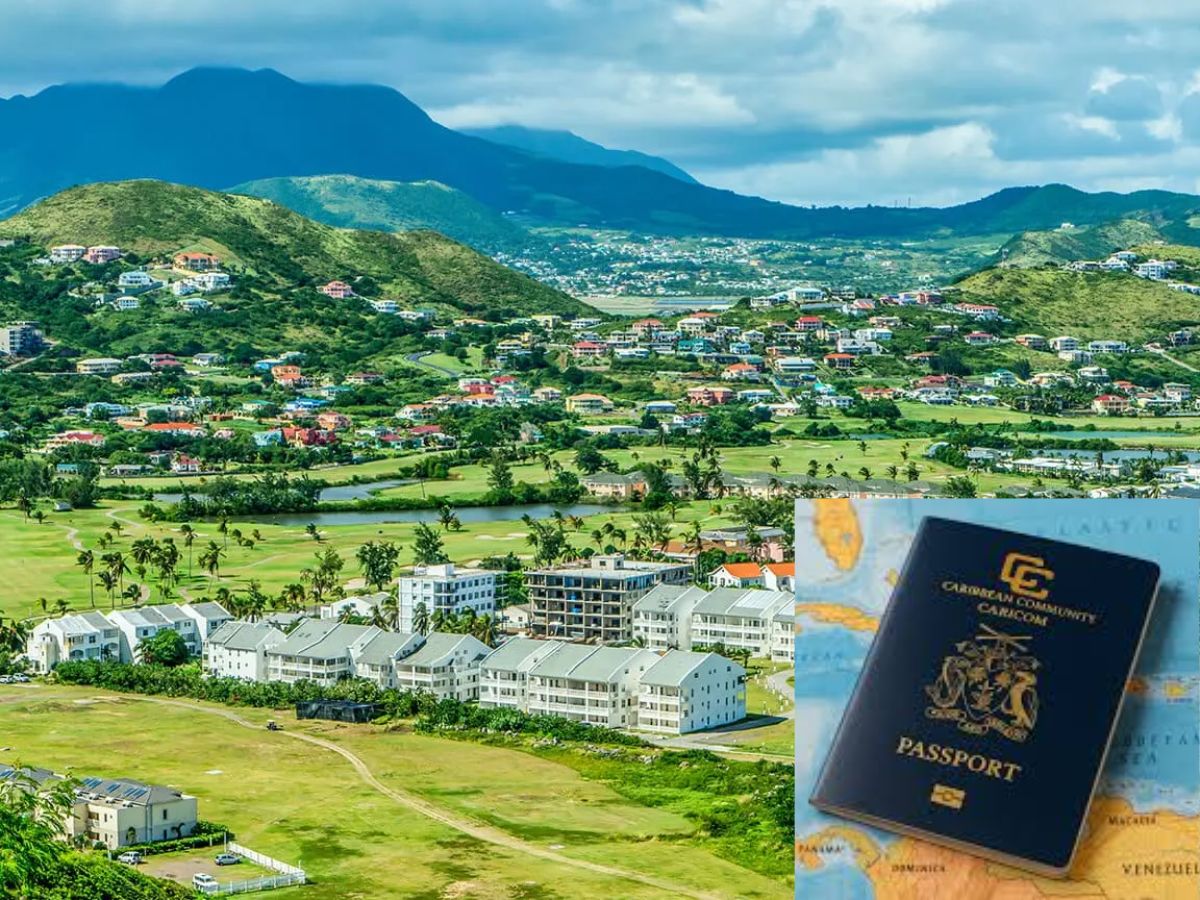
A Caribbean passport is not anymore just a travel document, it’s fast becoming a tool for global mobility and financial planning. In 2025, citizenship in five Eastern Caribbean countries—Antigua and Barbuda, Dominica, Grenada, St. Kitts and Nevis, and St. Lucia, will be offered in exchange for a $200,000 investment in real estate.
The appeal? Visa-free or visa-on-arrival access to more than 140 countries, including most of Europe’s Schengen Area and the UK (with the exception of Dominica, which recently lost UK visa privileges). The programs, known as Citizenship by Investment (CBI), have gained popularity among investors, particularly those looking for greater freedom of movement and friendlier tax regimes.
Travel Freedom and Tax Shelter in One
These schemes do not need physical residency in the nation, either prior to or following the granting of citizenship, in contrast to typical immigration processes. Nor do applicants have to give up their original nationality, making it an appealing option for those looking to add a second passport without disrupting their existing legal status.
Beyond just travel, Caribbean passports come with another incentive: a significant reduction in personal taxation. Most participating countries do not tax foreign income, and many offer no capital gains, inheritance, or wealth taxes. For high-net-worth individuals, it’s a package that combines mobility with financial discretion. Family benefits are often bundled into the offer, with several programs allowing spouses, children, and elderly parents to be included in the same application.
Real Estate is the Ticket In
To qualify, applicants typically invest in pre-approved real estate developments, many of which are linked to tourism or infrastructure projects. The minimum investment begins at $200,000, though actual costs may vary depending on government fees, family size, and legal processing.
Some nations also offer a donation route, where investors contribute directly to national development funds—but the real estate pathway remains popular for those seeking a tangible asset in return.
While the programs continue to attract global interest, they are also under increased international scrutiny. As a result, several Caribbean nations have strengthened background checks and restructured the application process to increase transparency. In 2025, new restrictions were adopted, including tighter due diligence procedures and more explicit qualifying requirements.
These changes are intended to protect the CBI programs’ long-term reputation and allay international worries about abuse, especially in relation to tax evasion and opaque financial flows.
Also Read: 3,200 Boeing Fighter Jet Workers to Strike in First Walkout Since 1996
Citizenship in Under Six Months
The process, from application to passport, usually takes three to six months, depending on the country and the volume of applications. The majority of initiatives take a typical route, which includes initial submission, vetting by the government, approval, investment, and document issue. Once granted, citizenship is typically heritable and lasts a lifetime.
For many, especially business owners and remote professionals, the real value lies in freedom of movement, financial privacy, and the ability to pivot across borders without red tape.