
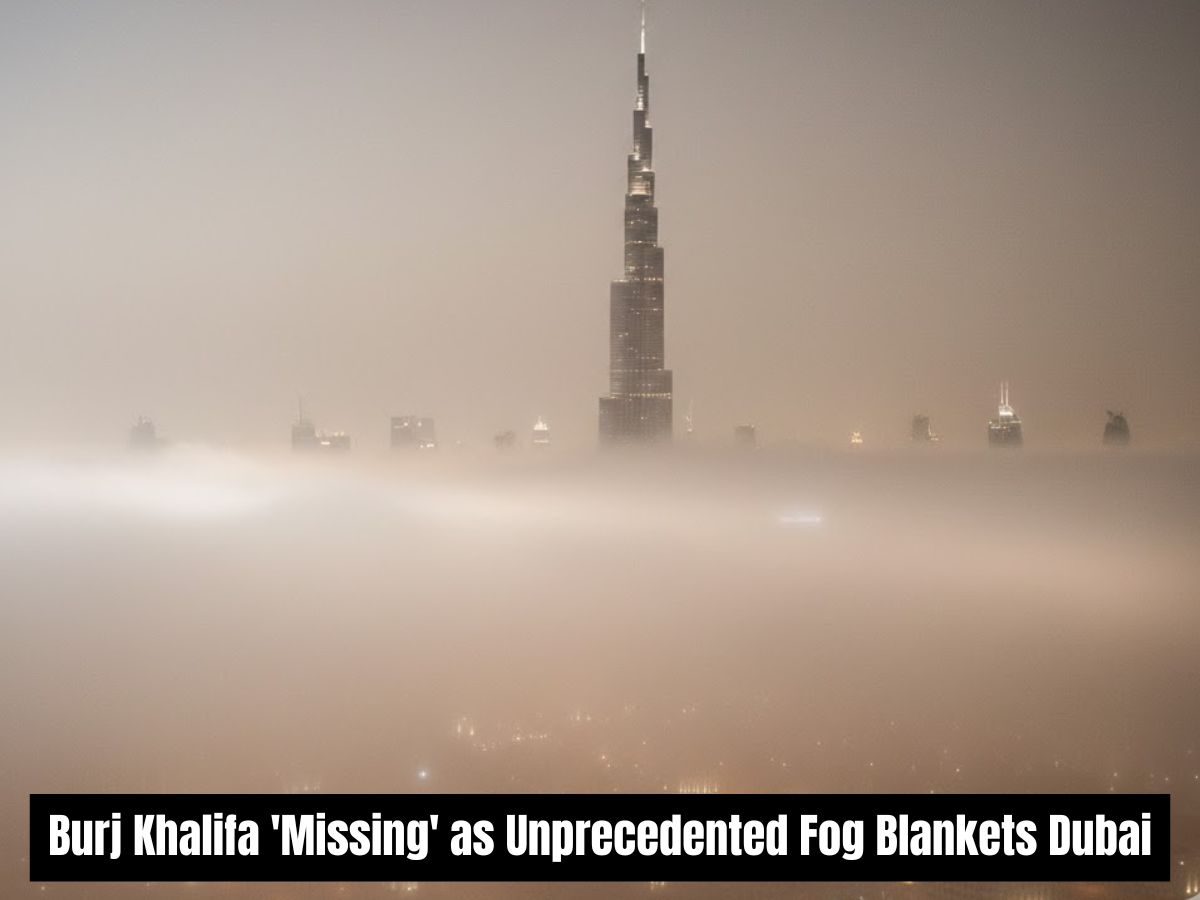
The United Arab Emirates’ iconic skyline underwent a dramatic transformation on Thursday as an unusually dense fog blanketed the region, severely reducing visibility and bringing a slice of North Indian winter to the desert nation. The NCM issued red and yellow weather alerts across the UAE, warning residents of unsafe conditions. Early morning travel was disrupted, and police issued urgent safety warnings, reminding everyone that natural weather can still disrupt a modern city.
How Severe Was the Weather Disruption?
The fog spread across large areas, heavily affecting major cities like Dubai and Abu Dhabi. Important locations such as Zayed International Airport and Al Qudra were hit the hardest. Media reports noted major problems for early morning travelers, as the low visibility led to delays and risky driving. Conditions were so poor that police issued official warnings, urging drivers to be extremely careful.
How Did Authorities Respond to the Crisis?
Police in both Dubai and Abu Dhabi launched urgent safety alerts on social media. Dubai Police told drivers on X to “drive safely and cautiously due to low visibility caused by fog.” Abu Dhabi Police issued similar warnings, urging motorists to be careful and to follow the changing speed limits shown on electronic road signs.
How Did Social Media React to the Eerie Scenes?
The fog inspired plenty of funny and creative posts online. Many people shared clips and photos showing the Burj Khalifa completely hidden, turning the world’s tallest building into the star of the moment. One user joked it had “gone missing,” while another said it looked like it was “sleeping.” The strange sight of the disappearing tower quickly went viral.
Also Read: Legal Setback for Trump as Judge Moves to Curb National Guard Powers in D.C.
Why Were Indians Drawing Comparisons to Delhi?
For the UAE’s large Indian community, the fog felt familiar, even if unexpected. Many went online to compare it to the thick winter fog in North India, especially Delhi. One viral post on X summed it up in Hindi: “Dubai aaj Dilli ho rakha hai,” meaning “Dubai has become like Delhi today.” The comparison highlighted how unusual this weather was for a desert city.