
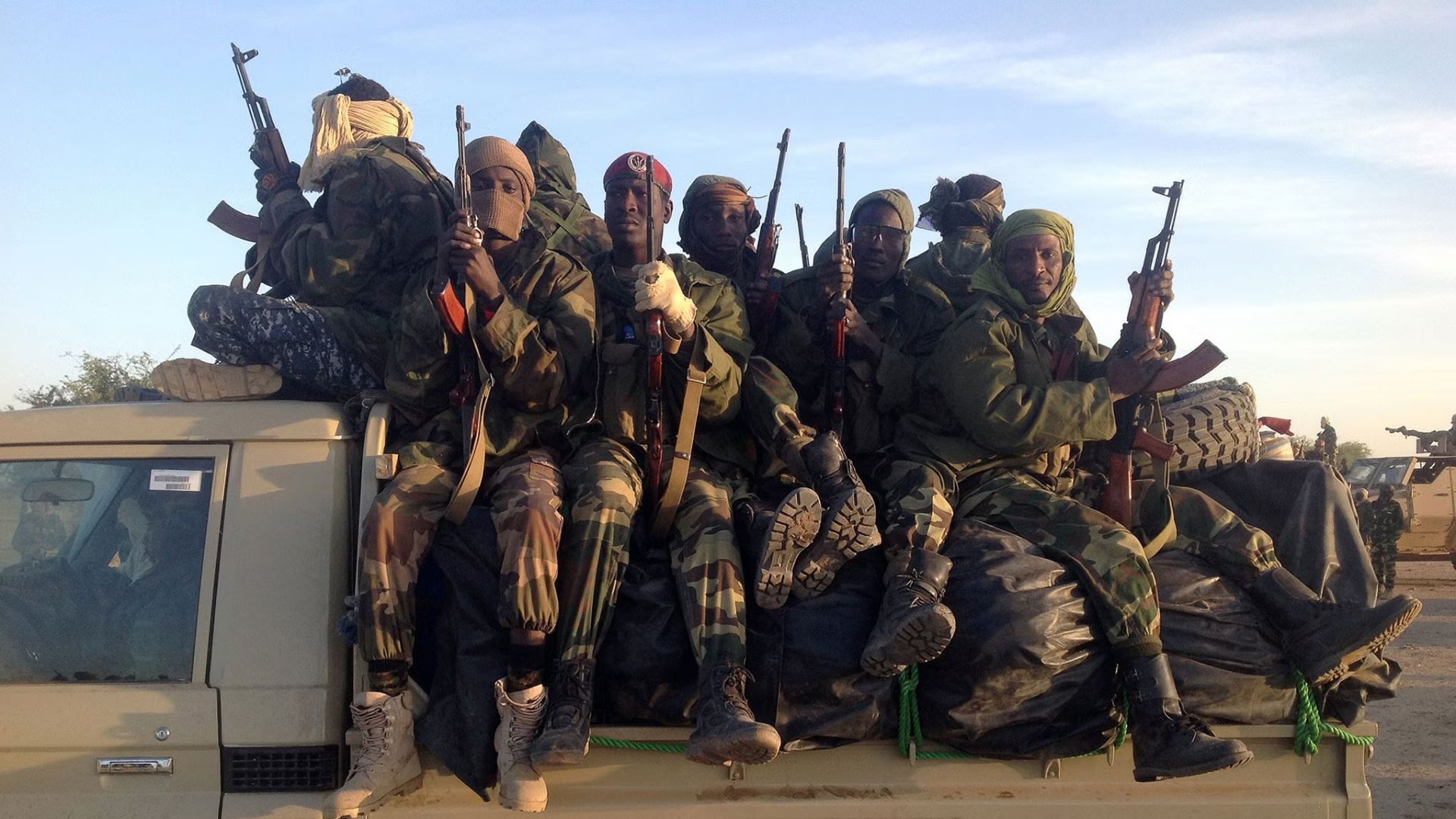
In a significant crackdown on terror funding, Nigerian authorities on Saturday sentenced 44 Boko Haram militants to prison terms ranging from 10 to 30 years. The verdicts, which include hard labour, mark a major development in the country’s ongoing efforts to combat insurgency.
According to Abu Michael, spokesperson for Nigeria’s counterterrorism centre, the convicted individuals were part of a group of 54 suspects who stood trial at four specially constituted civilian courts at a military base in Kainji, located in Niger state.
“The verdicts delivered from the trials resulted in prison sentences ranging from 10 to 30 years, all to be served with hard labour,” Michael said in an official statement.
Trials Resume After Seven-Year Suspension
The sentencing comes as Nigeria resumes trials of suspected jihadists, seven years after suspending the prosecution of over 1,000 individuals linked to the extremist group Boko Haram. These renewed proceedings are part of a larger effort to address the group’s funding networks and activities.
Michael confirmed that the trials represent substantial progress in Nigeria’s fight against terrorism.
“With the latest convictions, Nigeria has now secured a total of 785 cases involving terrorism financing and other terrorism-related offences,” the statement added.
The trials for the remaining 10 suspects have been adjourned to a later date.
Background: Nigeria’s Long Fight Against Insurgency
Boko Haram has waged a deadly insurgency since 2009, aiming to establish an Islamic caliphate in Nigeria’s northeast. The campaign has left more than 40,000 people dead and displaced around two million others, according to United Nations estimates. The conflict has also spilt over into neighbouring countries including Chad, Cameroon, and Niger.
Nigeria was placed on the international “grey list” alongside countries like South Sudan and South Africa due to shortcomings in its measures to combat money laundering and terror financing.
Earlier Trials Convicted Hundreds of Jihadists
The latest convictions follow a previous phase of mass trials in October 2017, when Nigeria prosecuted hundreds of Boko Haram fighters. That five-month judicial process resulted in the conviction of 200 insurgents, with sentences ranging from the death penalty to 70 years in prison.
“Death penalty and life imprisonment to prison terms of 20 to 70 years,” Michael noted in reference to the earlier proceedings.
The charges in those cases involved horrific crimes including attacks on civilians, the abduction of women and children, and the destruction of religious sites.
Human Rights Concerns
Despite the progress, human rights groups have raised concerns over the handling of the suspects. They accuse the military of arbitrarily arresting thousands of civilians, many of whom have been detained for years without trial or access to legal representation.