
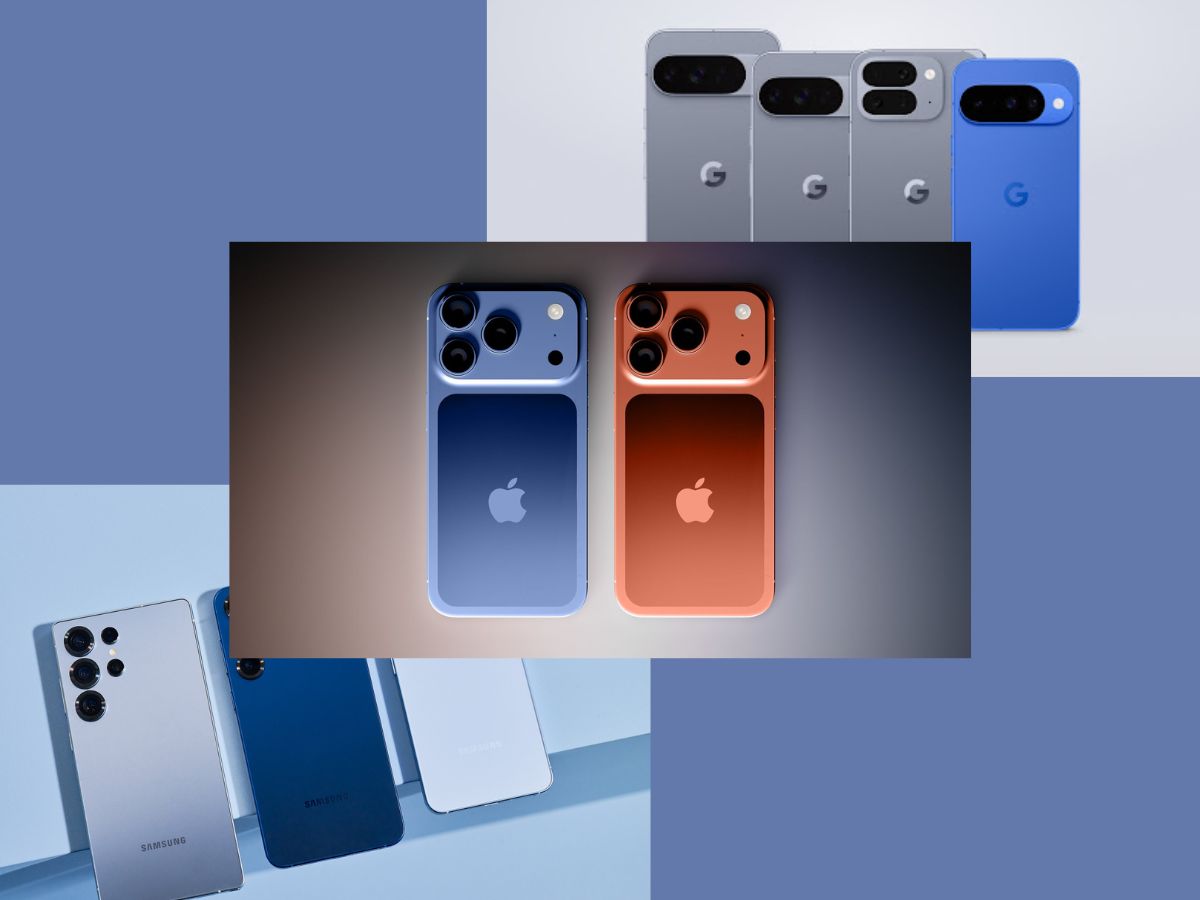
Apple’s renowned smartphone has undergone a drastic redesign. On Tuesday, the tech giant unveiled the iPhone Air, a device that shatters expectations by combining top-tier power with an astonishingly sleek form factor. At just 5.6mm thick, it is the thinnest iPhone ever created, marking Apple’s most significant design overhaul in years and positioning it as a direct, formidable competitor to Google’s Pixel and Samsung’s Galaxy S25 series. The iPhone Air, which is marketed as offering “pro performance in a tiny and light design,” makes a daring claim in a crowded market.
What Makes the iPhone Air Design So Revolutionary?
The most immediate and striking feature is its profile. The iPhone Air is significantly thinner than the iPhone 16 Pro Max (8.25mm), Samsung Galaxy S25 Ultra (8.2mm), and Google Pixel 10 Pro XL (8.5mm), at only 5.6mm. Achieving this without sacrificing durability required innovative materials.With a lightweight titanium frame on both sides, Apple has strengthened the device with a ceramic shield on the front and rear. This combination seeks to offer strong defense inside a very tiny body.
Also Read: A Doctor on Your Wrist? Apple Watch Series 11 & Ultra 3 Launch with 5G and Hypertension Detection
How Did Apple Achieve Such a Thin Design?
Apple took the bold and contentious decision to completely do away with the physical SIM card slot in order to make the most of every millimeter of internal space.
The first eSIM-only handset from Apple is the iPhone Air. Despite simplifying internal design, this daring change increases the burden on carrier support globally. It represents Apple’s bet on a fully digital future for mobile connectivity, forcing a significant change for users in many regions.
Does the Performance Match the “Pro” Claim?
At the heart of the iPhone Air lies Apple’s most advanced mobile processor, the A19 Pro chip. It is paired with the new C1x modem, which Apple claims doubles the speed of its predecessor, and the N1 chip, a dedicated component designed to enable next-generation wireless standards like Wi-Fi 7, Bluetooth 6, and Thread for superior smart home connectivity. The iPhone Air is guaranteed to compete at the highest level of smartphone performance thanks to this trio of hardware components.
What About the Display and Battery Life?
The device features a stunning 6.5-inch ProMotion display with a buttery-smooth 120Hz refresh rate. It reaches a blinding 3,000 nits of peak brightness, ensuring perfect visibility even in direct sunlight. Apple has managed to fit a battery that provides an amazing 40 hours of movie playback despite the extremely thin design. If correct, this sum would easily outlast several of the leading Android rivals in terms of robustness.
How Do the Cameras Compare to the Competition?
Considerable improvements are made to the camera system specifically for the thin body:
Rear Cameras: A 48MP dual camera system is joined by a 12MP telephoto lens, offering versatility for wide and zoom shots.
Front Camera: An 18MP selfie camera supports Centre Stage, Apple’s intelligent framing technology that automatically adjusts during video calls and group selfies to keep everyone in the shot.
Also Read: Apple iPhone 17 Launched: Price in India, Full Specs, & Key Features | Check Details
How Does It Compare to Google and Samsung?
The camera system has been greatly improved for the thin body:
Price: While Apple revealed its price starting at $799, it will compete directly with the Samsung Galaxy S25 Edge (from ~$1099) and the Google Pixel 10 Pro XL (from ~$1199).
Display: Each of the three flagships boasts a top-tier 120Hz OLED display, with the iPhone Air boasting 3,000 nits, Pixel 3,300 nits, and Galaxy 2,500 nits with anti-glare.
Design Philosophy: The iPhone Air’s 5.6mm thickness is its defining feature, a stark contrast to the thicker, often battery-focused designs of its rivals.
The iPhone Air launches with iOS 26, introducing Apple’s new Liquid Glass interface design language. The user experience will be smooth and visually unique because to the new software features that take advantage of the potent A19 Pro chip, fluid animations, and a revitalized visual style.