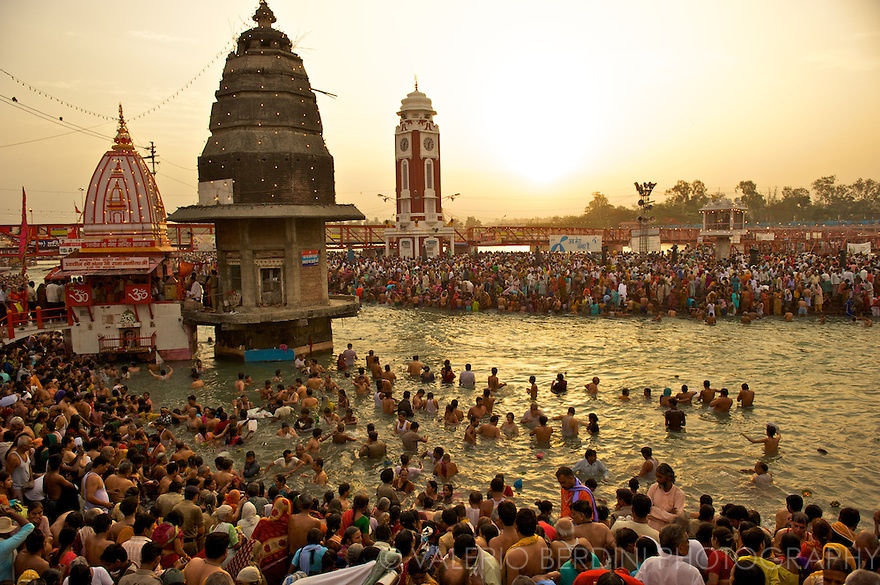
JAIPUR: Pilgrimages and visits to religious sites have been an integral part of spiritual practices across cultures and religions for centuries. These journeys are more than physical travels; they are experiences that engage the mind, body, and soul. While the outward act involves reaching a sacred place, the inward journey often leads to self-reflection, inner peace, and a heightened sense of purpose. Spiritual development through pilgrimages allows individuals to reconnect with their faith, explore deeper dimensions of their beliefs, and cultivate qualities like patience, humility, and compassion.
CONNECTION WITH THE DIVINE
One of the primary benefits of visiting religious places is the opportunity to strengthen one’s connection with the divine. Sacred sites such as temples, mosques, churches, gurdwaras, and monasteries radiate a serene energy that encourages prayer, meditation, and devotion. Being in these spiritually charged environments helps individuals experience a sense of closeness to God or a higher power. Regular interaction with sacred rituals and prayers fosters faith and reinforces moral and ethical values. The consistent practice of devotion in such places can lead to the awakening of a deeper spiritual consciousness, helping people live in alignment with their inner beliefs.
DETACHMENT FROM MATERIALISM
Pilgrimages often take individuals away from the hustle and distractions of daily life. Traveling to remote or sacred sites encourages detachment from material concerns, providing a space for reflection and introspection. Experiencing simplicity during pilgrimages—such as walking long distances, observing modest living conditions, or participating in communal activities—reminds individuals of life’s impermanence. This detachment nurtures mindfulness, self-control, and a focus on spiritual rather than worldly gains, creating a foundation for spiritual growth.
INNER PEACE AND STRESS RELIEF
Religious sites are often situated in serene locations—on riverbanks, atop hills, or in forests—that naturally impart calm and tranquility. Immersing oneself in these peaceful surroundings helps reduce stress, anxiety, and mental fatigue. The meditative practices, chanting, or silent contemplation performed during pilgrimages allow the mind to center itself, promoting emotional stability and resilience. This inner calm is essential for spiritual growth, as it creates clarity of thought, deep reflection, and a greater understanding of one’s purpose in life.
COMMUNITY AND SHARED SPIRITUAL EXPERIENCE
Pilgrimages are not only solitary journeys but also communal experiences. Traveling with fellow devotees, participating in group rituals, and engaging in service-oriented activities fosters a sense of belonging and shared spirituality. Witnessing the devotion and discipline of others can inspire individuals to strengthen their own spiritual practices. Moreover, the values of empathy, compassion, and cooperation are reinforced when helping fellow travelers or engaging in charitable acts at pilgrimage sites. This collective spiritual energy amplifies personal growth and creates lasting memories of devotion and service.
SELF-REFLECTION AND PERSONAL TRANSFORMATION
Visiting sacred places encourages introspection and self-assessment. Away from daily routines, individuals can contemplate their actions, relationships, and life goals. Pilgrimages often involve challenges—long journeys, physical exertion, or confronting personal limitations—which test patience, resilience, and humility. Overcoming these challenges fosters personal transformation, teaching valuable life lessons. Many pilgrims report a sense of renewal, a clearer sense of priorities, and a deeper understanding of their spiritual path after completing such journeys.
Religious pilgrimages are transformative experiences that nurture spiritual development. They deepen faith, cultivate detachment from materialism, promote inner peace, and foster communal and personal growth. By engaging in pilgrimages, individuals embark on journeys that extend far beyond physical travel, touching the very core of their being. These sacred journeys provide clarity, purpose, and an enduring sense of connection with the divine, ultimately guiding the soul toward spiritual enlightenment and fulfillment.