
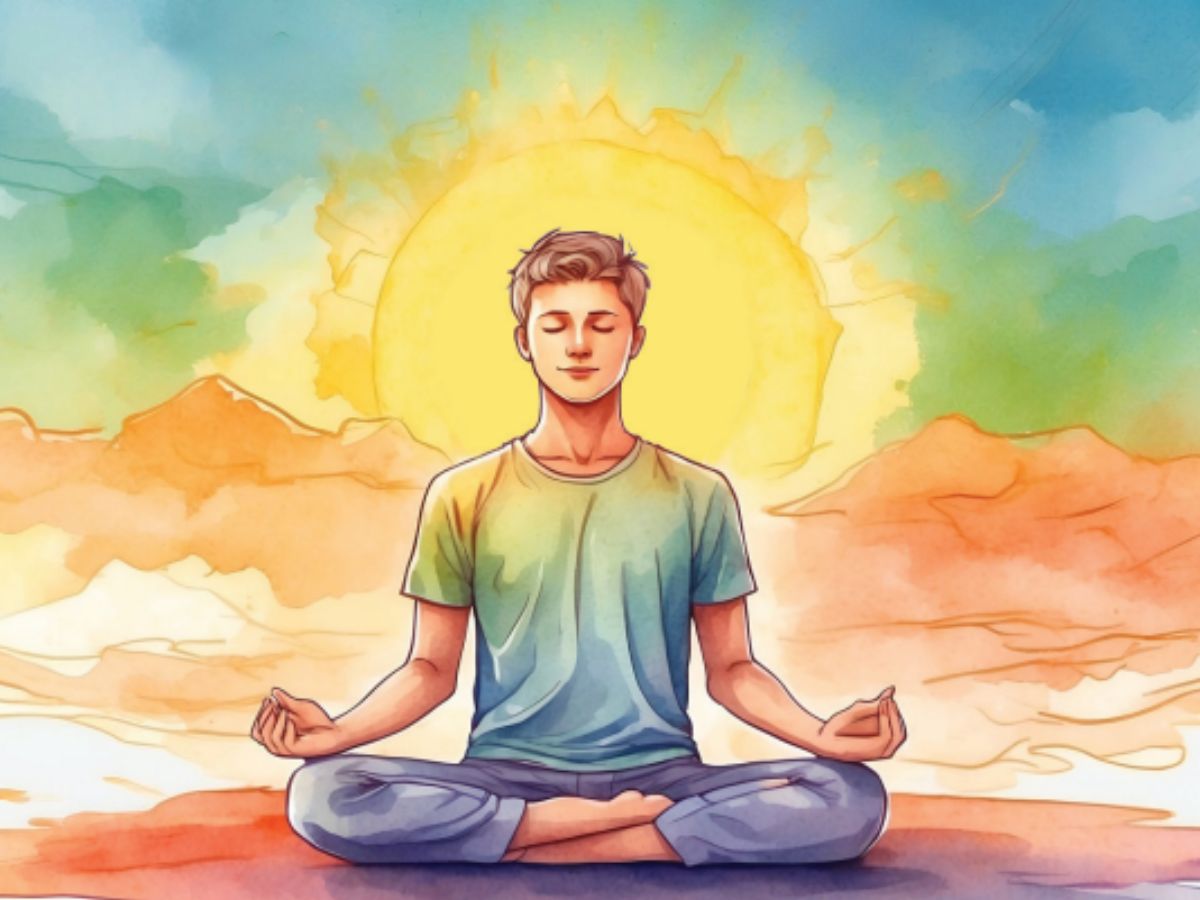
Meditation is gaining popularity all over the world as a way to calm the mind, develop focus, and improve one’s health, but how it really works is not widely known. There is more to meditation than just sitting with one’s eyes closed and a gentle smile on the lips, hoping to become calmer and more stable. It is now a scientifically proven method of calming the mind by altering brain function, hormone levels, and nervous system activity. That is why hospitals, schools, and corporations are now integrating it into their wellness programmes. There is a growing body of scientific research that explains how meditation helps calm the mind — from both a neurological and psychological perspective.
During meditation, there is reduced activity in the network of brain regions associated with mind-wandering, rumination, and thinking about the past or worrying about the future. Studies show that meditation quiets this network, especially in experienced meditators. This helps reduce mental chatter and creates a sense of presentmoment awareness. Practice of meditation also activates the prefrontal cortex, a region of the brain located just behind the forehead which plays a crucial role in planning, decision-making, problemsolving, and self-control. It is responsible for organising thoughts and actions to achieve goals. It also helps us regulate our impulses and resist temptation, a function crucial for self-discipline and making thoughtful decisions. Importantly, it is involved in understanding social cues and making judgments about social appropriateness. It helps us empathise with others and make moral and ethical decisions. Meditation strengthens this area, improving focus and decision-making, while reducing impulsivity.
Meditation has also been shown to decrease the size of the amygdala, a small cluster of nerve cells which is crucial for processing and regulating emotions, especially strong ones like fear, anger, pleasure, and anxiety. One of its most famous roles is in detecting threats or danger. The amygdala triggers the fight-or-flight response, activating the body’s stress systems in response to perceived threats. Regular practice of meditation reduces the reactivity of the amygdala, leading to lower stress, anxiety, and emotional reactions. Long-term meditation practice has been found to increase the density of grey matter in regions of the brain associated with emotional regulation, memory retention, and empathy. As we can understand, this not just produces temporary calm, but has lasting psychological benefits.
Apart from the brain, meditation has a positive effect on our hormones. It has been shown to reduce cortisol, the body’s primary stress hormone, leading to a calmer, less reactive nervous system. It also triggers the parasympathetic nervous system, which helps the body relax, recover, and conserve energy after stress or exertion. It works in opposition to the sympathetic nervous system, which triggers the body’s fight-or-flight response in times of stress or danger. This leads to slower breathing, reduced heart rate, and a greater sense of physical relaxation.
Chronic stress weakens the immune system, making the body more vulnerable to infections. By reducing stress hormones, meditation helps boost immune function. Research suggests that people who meditate regularly have increased levels of antibodies and enhanced immune response, making them less likely to get sick. Stress is also linked to increased levels of inflammation in the body, which contributes to conditions like heart disease, arthritis, and autoimmune disorders. Meditation helps lower inflammation markers, which reduces the risk of developing these chronic conditions. In addition, meditation has been found to contribute to better sleep and reduce pain perception.
In essence, through its direct effects on the body and by promoting a mind-body connection that influences overall well-being, regular meditation helps create a strong foundation for longterm health and vitality. Dr. Satish Kumar Gupta is Director, Medicine & Cardiology, at the RMM Global Hospital Trauma Centre in Abu Road, Rajasthan.