
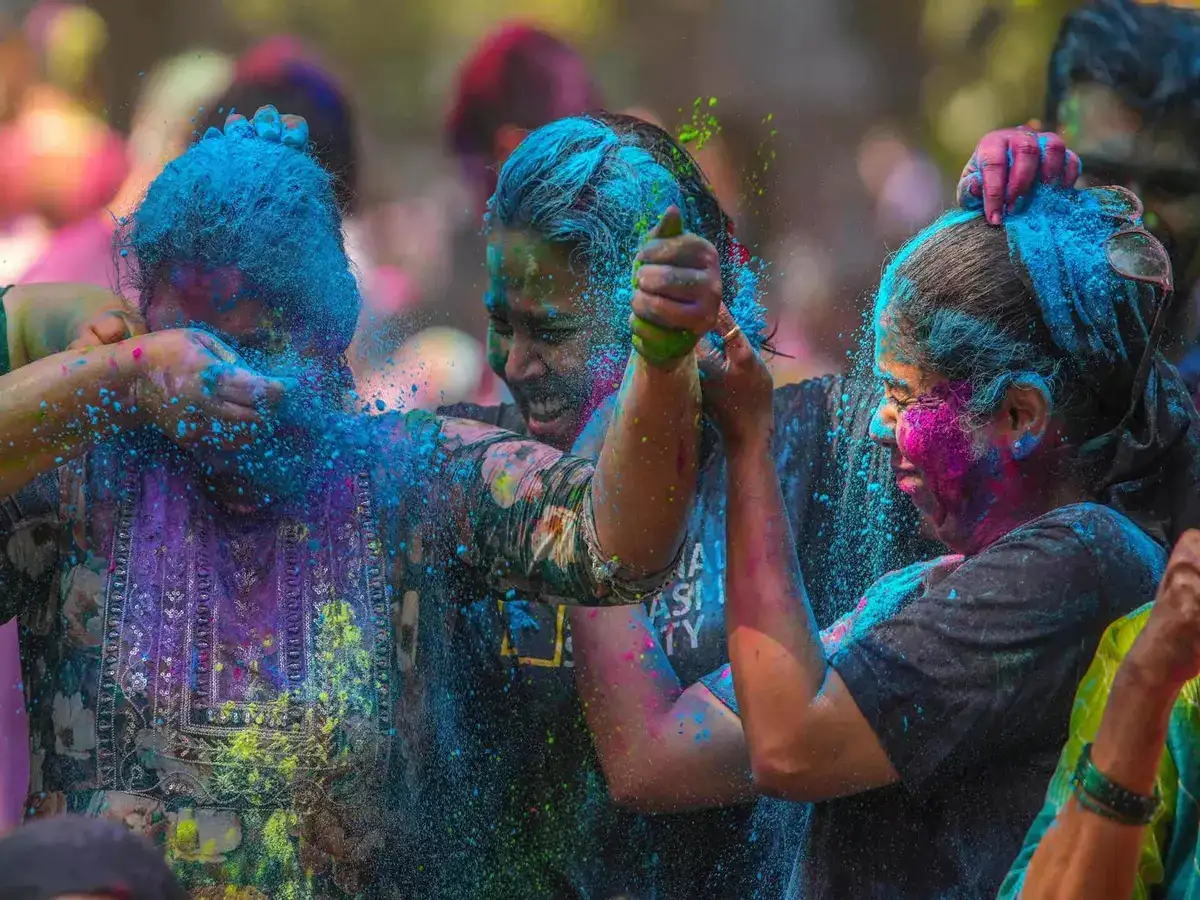
NEW DELHI: From the symbolism of Holika Dahan to the deeper meaning of colours, Holi reflects a journey of inner transformation and renewal.
Every spring, streets across India burst into colour as people celebrate Holi with vibrant powders, music and festive gatherings. Known widely as the festival of colours, Holi is often associated with joyous celebrations and playful traditions. Yet beyond the revelry lies a deeper spiritual significance rooted in ancient traditions and symbolic stories.
At its core, Holi represents the triumph of good over evil and the possibility of inner transformation. The festival encourages people not only to celebrate with colours but also to reflect on personal growth, harmony and the renewal of positive values.
THE SYMBOLISM OF HOLIKA DAHAN
The spiritual message of Holi begins a day earlier with Holika Dahan, when communities gather around a ceremonial bonfire. This ritual commemorates a well-known story from Hindu mythology involving the demon king Hiranyakashipu, his son Prahlad, and his sister Holika.
According to legend, Prahlad remained devoted to Vishnu despite his father’s attempts to force him to abandon his faith. Angered by his son’s devotion, Hiranyakashipu plotted to kill him. Holika, believed to possess a cloak that made her immune to fire, sat with Prahlad in a blazing pyre. However, the divine protection of Vishnu saved Prahlad, while Holika was consumed by the flames.
The story symbolises the ultimate victory of faith, truth and righteousness over arrogance and evil. Lighting the Holika bonfire thus represents the burning away of negative qualities such as ego, anger and hatred.
HOLI AND THE AWAKENING OF THE SOUL
Spiritually, Holi is also linked with Maha Shivratri, a festival celebrated shortly before Holi. Maha Shivratri is associated with spiritual awakening and remembrance of Shiva, considered the source of divine knowledge and transformation.
The period between these two festivals symbolises a journey—from awakening to celebration. After gaining awareness of spiritual truths, Holi becomes a celebration of the soul’s renewal and the triumph of positive values over negativity.
THE MEANING BEHIND THE COLOURS
While the second day of Holi is marked by joyful colour play, many spiritual traditions interpret the colours as symbols of inner virtues rather than merely festive powders.
Each colour represents a quality that enriches human life. Peace reflects calmness and emotional balance. Love symbolises compassion and selfless relationships. Happiness signifies inner joy that does not depend on external circumstances, while power represents inner strength and resilience.
The festival therefore invites people to “colour” their lives with these qualities and share them with others.
A FESTIVAL OF UNITY AND RENEWAL
Holi also carries an important social message. During the festival, people set aside differences and celebrate together, reinforcing the idea of unity and equality. Friends, neighbours and even strangers greet one another with colours, laughter and goodwill.
This spirit of inclusiveness highlights the festival’s deeper purpose—to promote forgiveness, strengthen relationships and encourage people to let go of past grievances.
CELEBRATING HOLI WITH AWARENESS
In modern times, Holi is often seen as a day of exuberant celebration. Yet its enduring spiritual message continues to resonate: true joy comes not only from outward festivities but from inner transformation.
As colours fade by the end of the day, the virtues they symbolise—peace, love, kindness and positivity—are meant to remain. Holi, therefore, is not merely a festival of colours but a reminder to cleanse the mind, renew the spirit and celebrate life with compassion and harmony.