NEW DELHI: Holi, one of India’s most widely celebrated festivals, is renowned for its vibrancy, exuberance, and the joyous splashing of colors. Beyond the fun and festivities, Holi encompasses profound spiritual and cultural significance. The festival is traditionally divided into two distinct yet interconnected parts: Holika Dahan, the ritual of burning evil, and Rangwali Holi (or Dhulandi), the day of colors. While many refer to the entire celebration simply as “Holi,” understanding the difference between these two aspects reveals the deeper meaning behind the festival. Holika Dahan emphasizes spiritual purification, while Rangwali Holi symbolizes joy, unity, and the arrival of spring.
HOLIKA DAHAN: THE RITUAL OF BURNING EVIL
Holika Dahan, also known as Chhoti Holi or the bonfire night, marks the beginning of Holi. It is observed on the evening before Rangwali Holi and represents the triumph of good over evil. The ritual draws its significance from the mythological story of Prahlad and Holika. According to Hindu legend, Prahlad, the son of the demon king Hiranyakashyap, was a devoted follower of Lord Vishnu. Hiranyakashyap demanded that everyone worship him, but Prahlad refused, remaining steadfast in his devotion. Enraged, the king commanded his sister Holika, who had a magical immunity to fire, to sit on a blazing pyre with Prahlad on her lap. Due to divine protection, Prahlad emerged unharmed, while Holika perished in the flames. This event symbolizes the destruction of evil forces and the protection of the virtuous.
HOW HOLIKA DAHAN IS PERFORMED
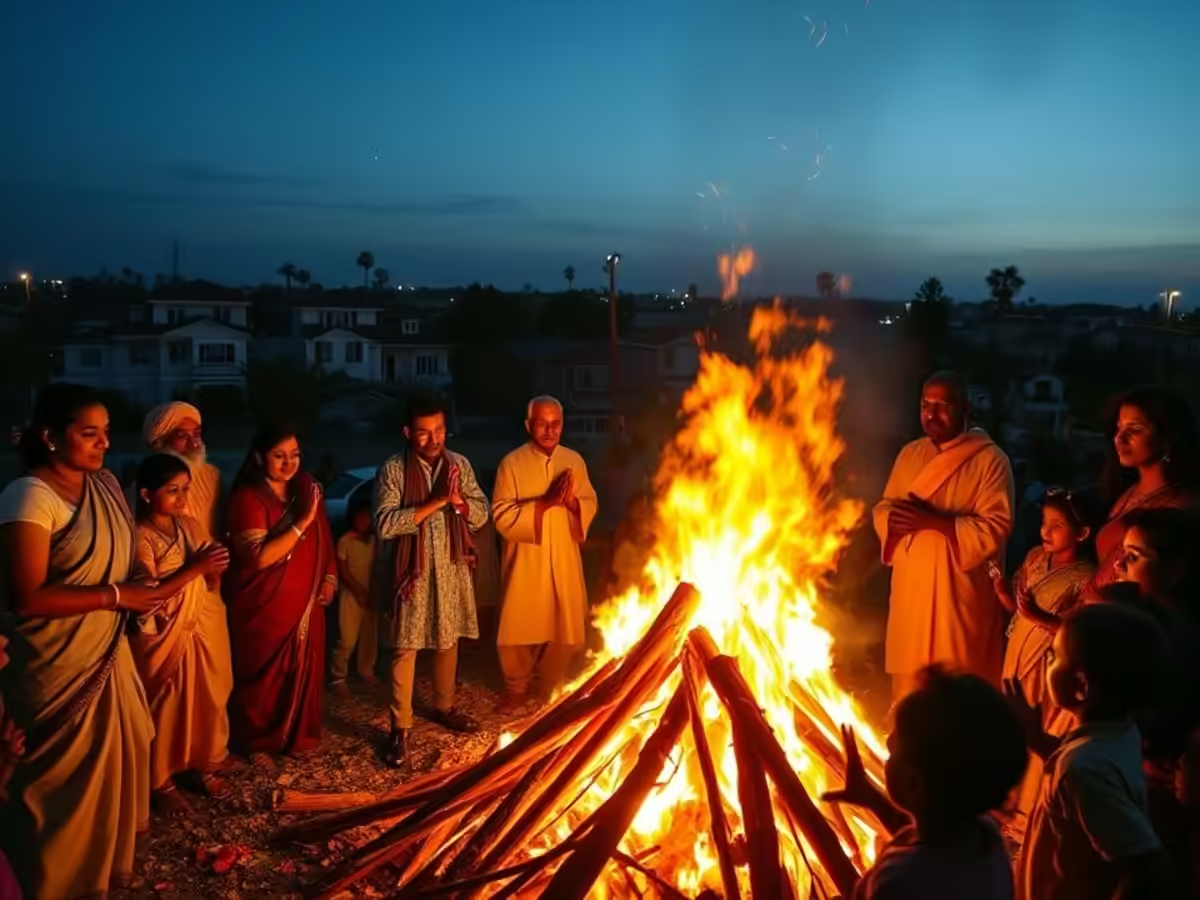
Communities gather on the eve of Holi to prepare bonfires using wood, dried leaves, and cow dung cakes. Often, an effigy of Holika is placed atop the pyre. The fire is lit during the auspicious Holika Dahan Muhurat, a time calculated according to the Hindu calendar. Devotees offer prayers for the destruction of negativity and may walk around the fire as an act of spiritual purification and renewal. This ritual instills a sense of moral victory and the cleansing of bad energies, laying a sacred foundation for the festivities of the following day.
RANGWALI HOLI: THE FESTIVAL OF COLORS
The day after Holika Dahan is celebrated as Rangwali Holi or Dhulandi. This is the more widely recognized aspect of Holi, characterized by playful color throwing, music, dance, and the sharing of traditional foods. Gulal (colored powders) and colored water are joyfully smeared on friends, family, and even strangers, symbolizing harmony, happiness, and the rejuvenation of life during the spring season. Traditional foods and beverages like gujiya, thandai, and dahi vada are shared, enhancing the sense of community. In some regions, thandai may include bhang, adding a spiritual and festive element. Dancer, music, and laughter fill the streets, creating an atmosphere of joy and camaraderie. The festival encourages forgiveness, social bonding, and unity among participants, making it both a cultural and spiritual celebration.
THE LEGEND BEHIND THE COLORS
The playful aspect of Holi is linked to Lord Krishna, who, according to legend, was conscious of his dark complexion compared to Radha’s fair skin. His mother advised him to apply color to Radha’s face, initiating the tradition of smearing colors as an expression of love and devotion.
CONCLUSION: HOLI AS A FESTIVAL OF MORAL AND SPIRITUAL RENEWAL
Together, Holika Dahan and Rangwali Holi form a complete spiritual and cultural experience. Holika Dahan purifies the soul, removing negativity, while Rangwali Holi celebrates joy, unity, and divine love. This duality makes Holi not just a festival of colors but also a profound reminder of morality, devotion, and the power of good over evil. Through these rituals, communities across India honor age-old traditions, fostering harmony, spiritual growth, and collective celebration. This festival beautifully intertwines myth, devotion, and joy, making Holi a uniquely Indian celebration that resonates with spiritual meaning and cultural vibrancy.
Holi, one of India’s most widely celebrated festivals, is renowned for its vibrancy, exuberance, and the joyous splashing of colors. Beyond the fun and festivities, Holi encompasses profound spiritual and cultural significance. The festival is traditionally divided into two distinct yet interconnected parts: Holika Dahan, the ritual of burning evil, and Rangwali Holi (or Dhulandi), the day of colors. While many refer to the entire celebration simply as “Holi,” understanding the difference between these two aspects reveals the deeper meaning behind the festival. Holika Dahan emphasizes spiritual purification, while Rangwali Holi symbolizes joy, unity, and the arrival of spring.
HOLIKA DAHAN: THE RITUAL OF BURNING EVIL
Holika Dahan, also known as Chhoti Holi or the bonfire night, marks the beginning of Holi. It is observed on the evening before Rangwali Holi and represents the triumph of good over evil. The ritual draws its significance from the mythological story of Prahlad and Holika. According to Hindu legend, Prahlad, the son of the demon king Hiranyakashyap, was a devoted follower of Lord Vishnu. Hiranyakashyap demanded that everyone worship him, but Prahlad refused, remaining steadfast in his devotion. Enraged, the king commanded his sister Holika, who had a magical immunity to fire, to sit on a blazing pyre with Prahlad on her lap. Due to divine protection, Prahlad emerged unharmed, while Holika perished in the flames. This event symbolizes the destruction of evil forces and the protection of the virtuous.
HOW HOLIKA DAHAN IS PERFORMED
Communities gather on the eve of Holi to prepare bonfires using wood, dried leaves, and cow dung cakes. Often, an effigy of Holika is placed atop the pyre. The fire is lit during the auspicious Holika Dahan Muhurat, a time calculated according to the Hindu calendar. Devotees offer prayers for the destruction of negativity and may walk around the fire as an act of spiritual purification and renewal. This ritual instills a sense of moral victory and the cleansing of bad energies, laying a sacred foundation for the festivities of the following day.
RANGWALI HOLI: THE FESTIVAL OF COLORS
The day after Holika Dahan is celebrated as Rangwali Holi or Dhulandi. This is the more widely recognized aspect of Holi, characterized by playful color throwing, music, dance, and the sharing of traditional foods. Gulal (colored powders) and colored water are joyfully smeared on friends, family, and even strangers, symbolizing harmony, happiness, and the rejuvenation of life during the spring season. Traditional foods and beverages like gujiya, thandai, and dahi vada are shared, enhancing the sense of community. In some regions, thandai may include bhang, adding a spiritual and festive element. Dancer, music, and laughter fill the streets, creating an atmosphere of joy and camaraderie. The festival encourages forgiveness, social bonding, and unity among participants, making it both a cultural and spiritual celebration.
THE LEGEND BEHIND THE COLORS
The playful aspect of Holi is linked to Lord Krishna, who, according to legend, was conscious of his dark complexion compared to Radha’s fair skin. His mother advised him to apply color to Radha’s face, initiating the tradition of smearing colors as an expression of love and devotion.
CONCLUSION: HOLI AS A FESTIVAL OF MORAL AND SPIRITUAL RENEWAL
Together, Holika Dahan and Rangwali Holi form a complete spiritual and cultural experience. Holika Dahan purifies the soul, removing negativity, while Rangwali Holi celebrates joy, unity, and divine love. This duality makes Holi not just a festival of colors but also a profound reminder of morality, devotion, and the power of good over evil. Through these rituals, communities across India honor age-old traditions, fostering harmony, spiritual growth, and collective celebration. This festival beautifully intertwines myth, devotion, and joy, making Holi a uniquely Indian celebration that resonates with spiritual meaning and cultural vibrancy.