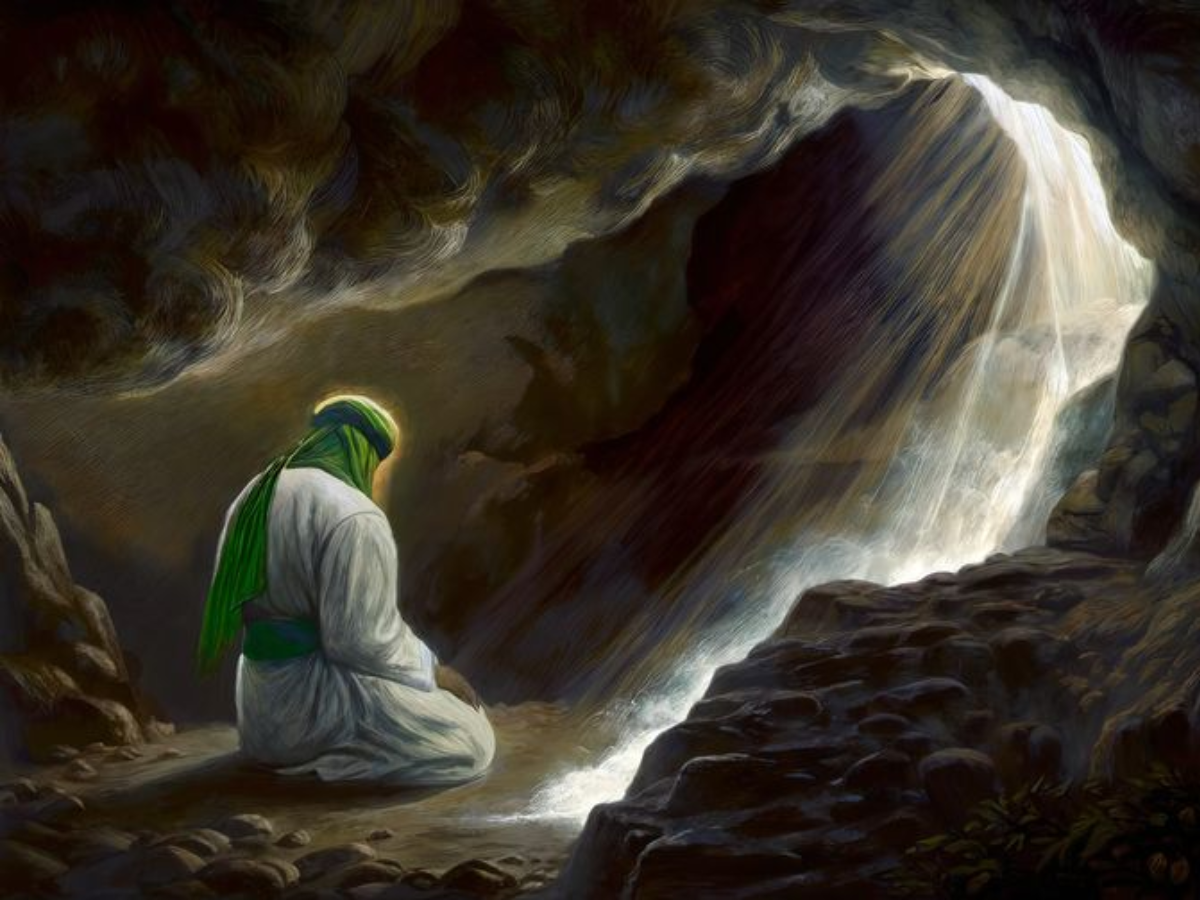
Eid Milad un Nabi is one of the most revered Islamic festivals celebrated by Muslims across the world. It marks the birth anniversary of Prophet Muhammad and falls in the third month of the Islamic lunar calendar, Rabi’ al Awwal.
Who was Prophet Muhammad?
Prophet Muhammad was born in 570 CE in Mecca the very founder of Islam and is one of the most significant spiritual figures in world history. He is considered by Muslims to be the last prophet and sent as a guide for the entire humanity toward salvation through monotheism and moral uprightness.
His teachings are found in the Quran and Hadith which are followed by millions of Muslims worldwide. In addition to the religious aspect, he was venerated for his wisdom and leadership among whom social reforms commanded justice, compassion and equality.
Why is Eid Milad un Nabi Celebrated?
Eid Milad un Nabi refers to the birth celebration of Prophet Muhammad. The festival is mainly conducted by Sufi and Barelvi communities and is observed in the Islamic month of Rabi’ al Awwal, with the 12th Rabi’ al Awwal being when it is most widely celebrated.
For the year 2025, this special day is expected around the 4th or the 5th of September depending on the lunar calendar. The festival offers Muslims the opportunity to demonstrate devotion, reminisce about the life and teachings of the Prophet and recommit themselves to following the path of the Prophet.
What Happens During The Celebrations?
Eid Milad un Nabi celebrations involve a combination of spiritual, cultural and social events. Followers organize public prayers to the Almighty and recite verses from the Holy Quran and deliver speeches on the life and teachings of the Prophet. It is customary to hold processions with lights and banners, celebrate communal feasts and generously engage in alms giving.
Sufi oriented celebrations include animal sacrifice, chanting of devotional songs (Naat) and nighttime torch processions as part of the observance. The essence of the festival is to celebrate and reflect upon the role of the Prophet in spreading faith and compassion.
Who Were the Parents of Prophet Muhammad?
The parents of Prophet Muhammad were Abdullah ibn Abdul Muttalib and Amina bint Wahb. His father Abdullah passed away before his birth, while his mother Amina died when he was just six years old. Orphaned at a very young age, he was raised first by his grandfather Abdul Muttalib and later by his uncle Abu Talib.
This early experience of loss instilled a sense of empathy, humility and dedication to social justice within him and which would later become indelible branding characteristics of his teaching.
Who Was the Wife and Children of Prophet Muhammad?
Muhammad married Khadijah bint Khuwaylid, a wealthy merchant when he became 25 years old. Khadijah became not just his wife but also his greatest supporter during the very early years of his prophethood.
They had four daughters and two sons together and however, both sons Qasim and Abdullah, died in infancy. After Prophet Muhammad’s death, his family played an essential role in preserving his legacy and continuing the propagation of Islam.