
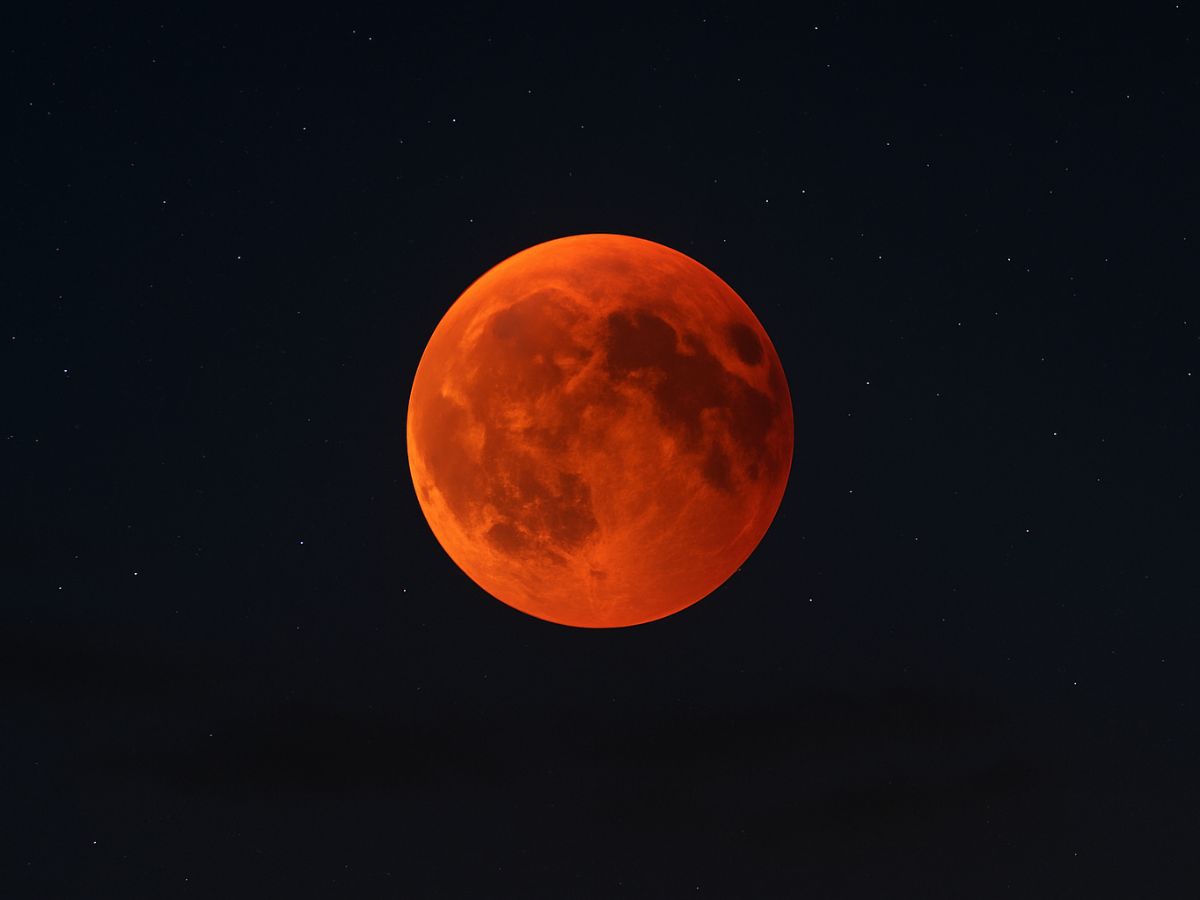
Tomorrow India will be able to witness the second and last lunar eclipse of the year. According to traditional Hindu beliefs, this celestial event is considered an inauspicious perOn September 7, 2025, India will be able to witness the second and last lunar eclipse of the year. According to traditional Hindu beliefs, this celestial event is considered an inauspicious period, and the rules of Sutak Kaal will be observed.
With its effects on the 27 nakshatras and 12 zodiac signs, this period is particularly significant astrologically. Others may need to use caution, but others might benefit. It is necessary to comprehend the traditions in order to navigate this period, especially the powerful act of donating white goods.
What is Sutak Kaal?
Sutak Kaal is a pre-eclipse period considered ritually impure. Certain activities are forbidden to lessen the harmful effects of the heightened negative energies, which are thought to be present during this period. On September 7 at 12:59 PM, the Sutak Kaal for the September 2025 lunar eclipse will begin. As it starts, stay away from worship, shopping, temple visits, and any auspicious work.
What NOT to Do During Sutak Kaal and the Eclipse
Adhering to these prohibitions is believed to protect individuals from the eclipse’s negative influences.
- Avoid touching sacred trees like Peepal, Tulsi (Holy Basil), and Banyan.
- Refrain from touching or worshipping idols of deities.
- It is recommended that expectant moms stay indoors, refrain from using sharp items, and get plenty of rest in order to protect both their health and the health of their unborn child.
- Refrain from cutting your hair or nails since this is unlucky.
- Minimize strenuous physical activity.
- It is considered auspicious to avoid traveling during this time.
- The preparation and consumption of food are prohibited during the eclipse period itself. But a crucial custom is to sprinkle Tulsi leaves over cooked food to keep it from being contaminated.
The Power of Donation: Why White Items?
Donating white-colored items on the day of a lunar eclipse is considered extremely auspicious and fruitful. Scriptures state that white objects are associated with the Moon. Giving them away increases the Moon’s position in a person’s birth chart and helps to calm the negative effects of the Moon (Chandra Dosha).
Also Read: September 2025 Eclipse: What to Know About the Rare Lunar and Solar Eclipses Coming
What to Donate:
- Rice
- Sugar
- Milk
- Curd (Yogurt)
- Silver
- White Clothes
- Coconut
What to Do During the Eclipse
While many activities are restricted, this period is ideal for specific spiritual practices that are believed to yield multiplied benefits.
- Chant Mantras and Meditate: Engage in the remembrance of God, chant mantras, and meditate. This promotes mental tranquility and helps repel negative energies.
- Place Tulsi Leaves: As mentioned, place Tulsi leaves on stored food and water to protect them from impurity.
- Use Kusha Grass: Kusha grass, considered sacred and born from the hair of Goddess Sita or Lord Vishnu, is used in worship and mantra chanting to maintain purity and ward off negative energy.
What to Do After the Eclipse is Over
On September 8th, the eclipse period finishes at 1:26 AM. After it is over, a ritual of cleaning is carried out.
- Take a Bath: The first and most important step is to take a thorough bath. This stands for both spiritual and bodily purification.
- Clean the House: After cleaning your house, use simple water or Gangajal to purify the air.
- Worship and Donate: Then, worship your deities and perform the act of donation (Daan) of the white items listed above.
- Cook and Eat Fresh Food: Only after bathing and cleansing should you prepare and consume fresh food.
The Mythological Story Behind the Eclipse
The Skanda Purana narrates an intriguing story. During the Samudra Manthan (churning of the ocean), amrita (the nectar of immortality) emerged. Lord Vishnu, in his Mohini avatar, began distributing it only to the gods. Swarbhanu, a demon, pretended to be a god and sat between the sun and the moon in order to consume the nectar.
The Sun and Moon detected his deceit and alerted Lord Vishnu, who immediately severed Swarbhanu’s head with his Sudarshan Chakra. But since he had ingested a drop of amrita, he survived. He transformed his body into Ketu and his head into Rahu. To take revenge, Rahu and Ketu periodically swallow the Sun and the Moon, causing eclipses.
Special Note for Pitru Paksha and Zodiac Signs
This eclipse holds extra significance as it falls on the full moon day of the Bhadrapada month, which also marks the beginning of Pitru Paksha (the fortnight of ancestors). All Shraddha, Pindadaan, bathing in holy rivers, and Tarpan rituals must be completed before the Sutak Kaal begins at 12:59 PM.
Natives of the zodiac signs of Vrishabha (Taurus), Tula (Libra), and Kumbha (Aquarius) should exercise extra caution since they may experience financial losses, mental stress, health problems, or business setbacks.