NEW DELHI: The Bihar government is planning to develop a major spiritual tourism circuit centred around prominent temples dedicated to Lord Shiva across the state. The initiative aims to expand tourism beyond the well-known destinations of Patna, Nalanda and Gaya, which currently dominate the state’s tourism map.
The proposed emerged during a discussion in the Bihar Assembly and received support from several legislators. State officials have indicated that a list of historically significant and ancient Shiva temples will be prepared in consultation with MLAs from different constituencies. Departments such as tourism, transport and road construction are expected to work together to develop infrastructure and connectivity around these religious sites.
EXPANDING THE SPIRITUAL TOURISM LANDSCAPE
Officials say the proposed Shiva circuit could become a key component of a broader regional tourism development strategy. According to tourism authorities, Bihar has the potential to develop at least two separate Shiva temple circuits in different parts of the state, which would help distribute tourist traffic and highlight lesser-known religious destinations.
The initiative also reflects the government’s attempt to diversify the state’s tourism offerings. Bihar has already promoted several thematic pilgrimage routes, including the Buddha Circuit and the Ramayana Circuit, which attract both domestic and international visitors interested in religious and cultural heritage.
TEMPLES LIKELY TO BE INCLUDED
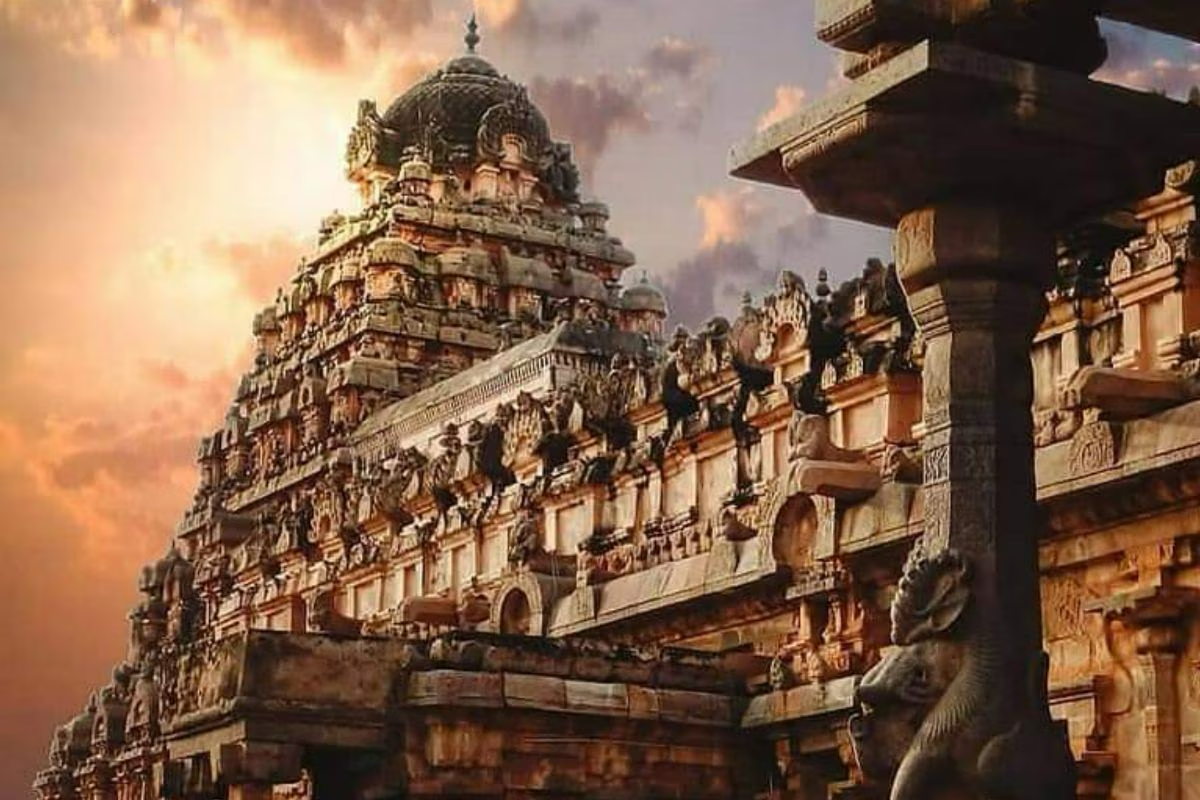
Several ancient temples dedicated to Lord Shiva have been identified as potential sites for inclusion in the circuit. Among the prominent ones are Ajgaibinath Dham, situated on a hillock in the middle of the Ganga River, and Budhanath Temple, located along the banks of the Ganga. Another important shrine is Baba Harihar Nath Temple, a major pilgrimage site visited by thousands of devotees each year.
Other temples under consideration include Ugna Mahadev Temple, believed in local tradition to be the place where Lord Shiva once served as a humble attendant, symbolising devotion and humility. Brahmeshwar Nath Dham, known for its west-facing structure and self-manifested Shiva Linga, may also become part of the circuit.
Other shrines such as Ashok Dham and Sohagi Dham are also being considered as possible additions.
INFRASTRUCTURE AND ECONOMIC IMPACT
Tourism circuits typically focus on improving connectivity between destinations through better roads, tourist buses, accommodation facilities and other infrastructure. Officials believe that linking these temples into a structured circuit will encourage visitors to explore multiple locations rather than limiting their travel to a single site.
Such initiatives are expected to boost local economies by increasing pilgrim footfall, generating employment in hospitality and transport sectors, and promoting regional crafts and cultural traditions.
MOVING BEYOND TRADITIONAL TOURISM HUBS
The Bihar government’s larger objective is to broaden the tourism landscape beyond the traditional “PNG” cluster—Patna, Nalanda and Gaya—which currently attract the majority of visitors. By developing new religious circuits, authorities hope to bring attention to lesser-known yet historically significant sites across different districts of the state.
If implemented successfully, the Shiva temple circuit could further strengthen Bihar’s position as a major destination for spiritual tourism while showcasing the state’s deep religious heritage and cultural history.