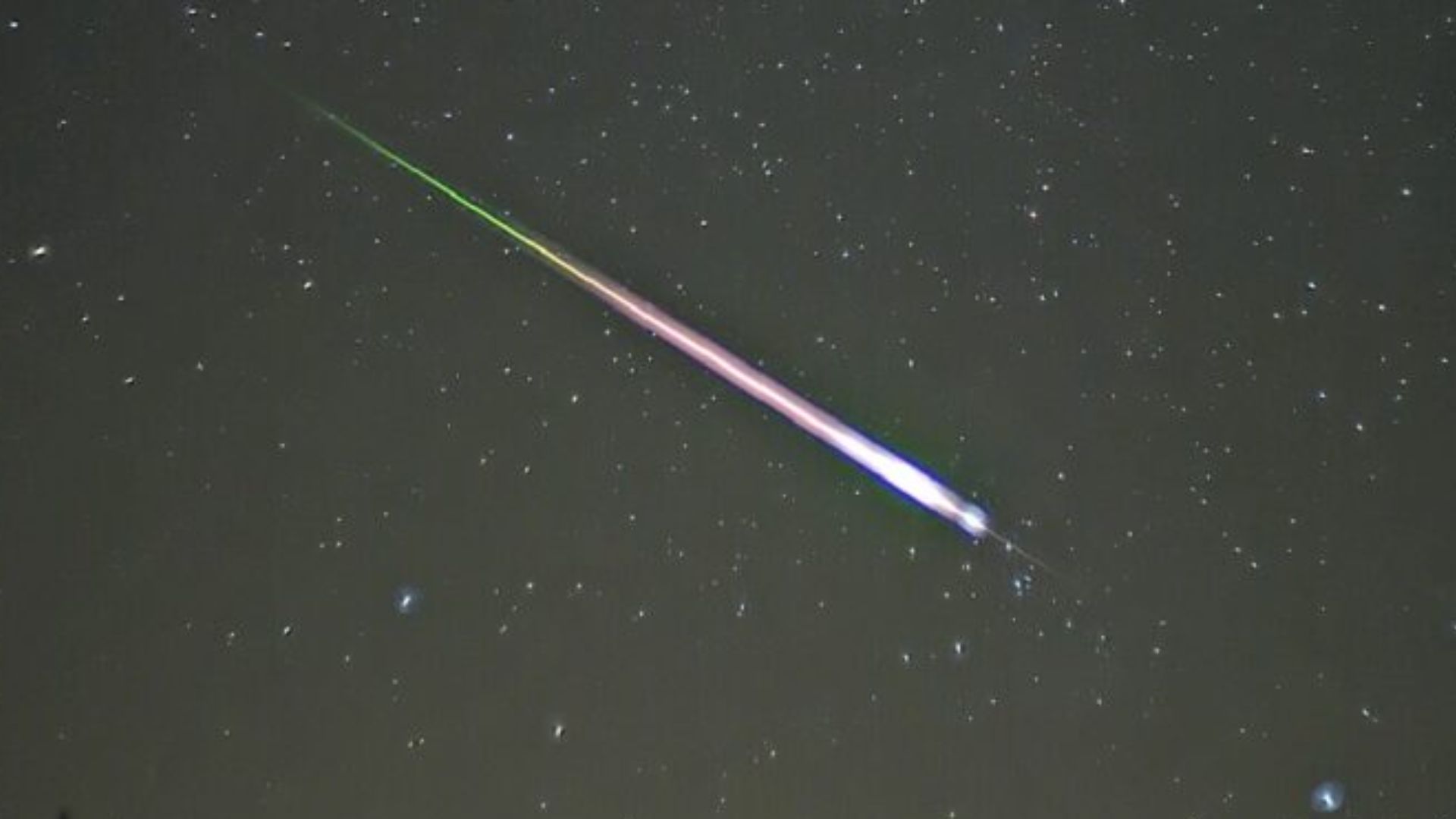
As July 2025 comes to an end, sky watchers around the world are in for a rare and beautiful treat. On the night of July 29 and into the early hours of July 30, two meteor showers the Southern Delta Aquariids and the Alpha Capricornids will reach their peak at the same time.
A Dark Sky for a Bright Show
Because the moon will be only 27% full, the skies will be dark enough to clearly see dozens of shooting stars per hour. This creates perfect conditions for viewing the meteors without interference from moonlight.
Experts say this double meteor shower will be visible across the globe, but those in the Southern Hemisphere will have the clearest view since the constellations Aquarius and Capricornus rise higher in the southern sky.
What’s Behind the Twin Meteor Showers?
Meteor showers occur when Earth passes through streams of debris left by comets or asteroids. According to NASA, the Southern Delta Aquariids come from Comet 96P/Machholz, which orbits the sun every five years.
The Alpha Capricornids, on the other hand, are created by debris from Comet 169P/NEAT, discovered in 2002. This comet circles the sun roughly once every 4.2 years.
Both meteor showers will be most intense in the early morning hours of July 30, but they will continue to be active through August 12, 2025.
Best Time and Place to Watch
To get the best view, head outside in the early morning hours before sunrise, especially on July 30. You’ll need to find a dark, open area far from city lights. No need for binoculars or telescopes — just bring patience and hope for clear skies.
Although the showers will be visible from both hemispheres, the Southern Hemisphere will enjoy brighter and more frequent meteors, thanks to better positioning of the constellations involved.
Even if the weather doesn’t cooperate on the peak night, don’t worry. The Southern Delta Aquariids will remain active through July 31, and there will still be good chances to spot meteors until mid-August.