Astronaut Shubhanshu Shukla recently explained the unique challenges of dealing with medical emergencies aboard the International Space Station (ISS). He emphasised that in space, help is never nearby.
“When you’re living aboard the space station, one thing becomes very clear very quickly—help isn’t just around the corner,” Shukla wrote. “There’s no ambulance pulling up in five minutes, no hospital down the street. You and your crewmates are the doctors, nurses, and sometimes even the stretcher bearers. Which means you’d better be ready for anything.”
Training for Medical Emergencies in Space
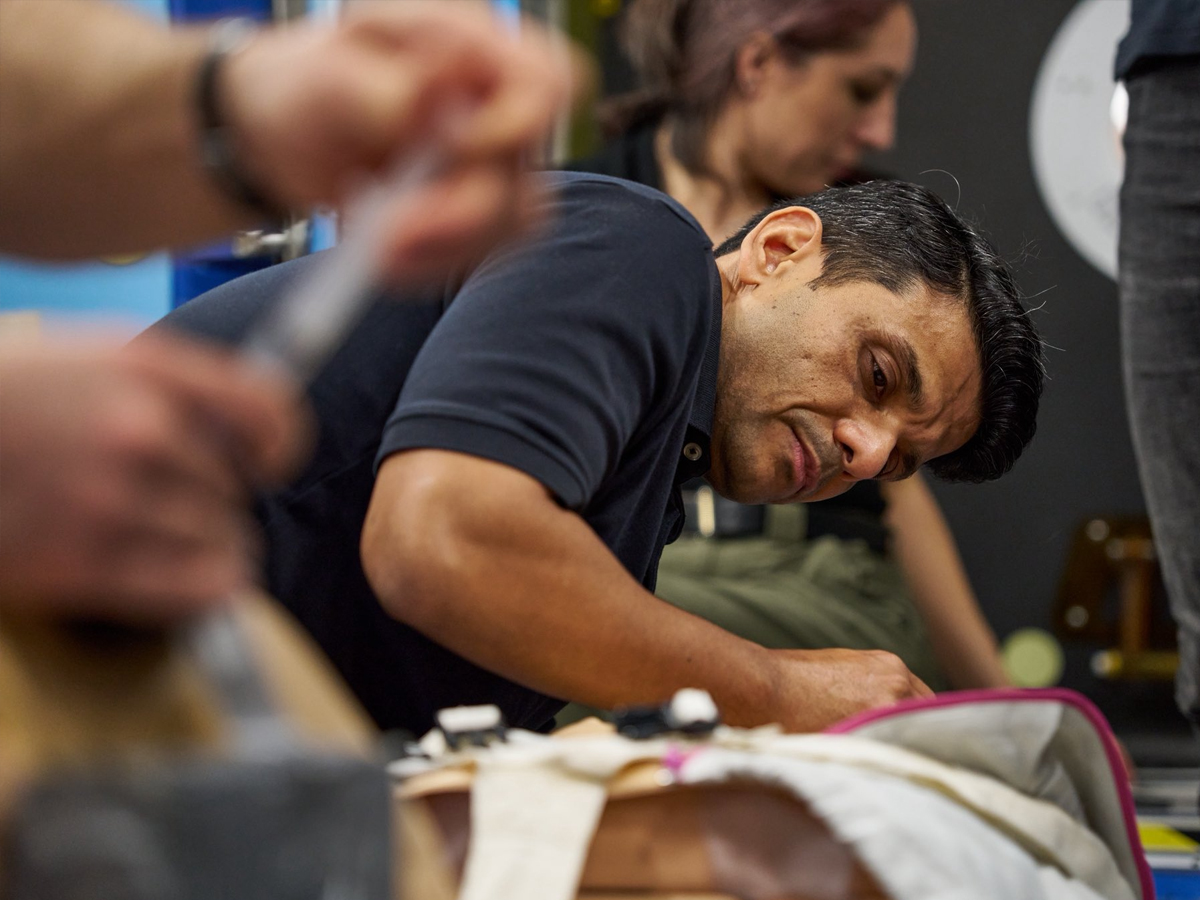
Medical emergencies are a top concern for astronauts. Shukla explained that the crew practices extensively with medical drills using mannequins simulating cardiac arrest.
The procedure begins with basic CPR and mouth-to-mouth resuscitation, just like on Earth. Next, the team prepares the Automated External Defibrillator (AED) to shock the heart back into rhythm.
There’s no ambulance in space. No hospital. No ER. So how do astronauts survive medical emergencies? How we do CPR is going to blow your mind!!!!
Medical emergencies in space are unlike anything on Earth.
With no hospital around the corner, astronauts train to become their own… pic.twitter.com/eJVUO4Srh9— Shubhanshu Shukla (@gagan_shux) September 22, 2025
However, performing these procedures in space is far more complicated. One major challenge occurs when a patient’s blood pressure drops so low that veins collapse, making injections difficult.
“In those cases, we go straight into the bone marrow,” Shukla explained. This technique, called intraosseous infusion, involves pushing medicine directly into the bone to ensure rapid absorption into the bloodstream.
Zero-Gravity CPR: A Space Challenge
Another challenge is performing chest compressions in zero gravity. To do this, astronauts flip upside down, secure their feet against the ISS ceiling, and use their legs to push off while giving compressions. The move is likened to a zero-gravity upside-down wall push-up.
“Space medicine is basically equal parts science and acrobatics,” Shukla said, highlighting how preparation and adaptability are vital for survival in the extreme environment of space.
The Importance of Preparation
Shukla’s insights show how critical training and innovation are aboard the ISS. Every crew member must be ready to act as a doctor, nurse, and support staff during emergencies.
From CPR to intraosseous injections and zero-gravity acrobatics, astronauts combine medical science with physical agility to save lives millions of miles from Earth.
Shukla’s candid explanation gives a rare glimpse into the rigorous preparation and resourcefulness required for space medicine. It highlights how astronauts must be ready for the unexpected, ensuring safety while operating in one of the harshest environments known to humans.