Home > Society and Living > The Broken Sleep Cycle: Why Today’s Generation is Sleeping All Wrong | TDG explainer

The Broken Sleep Cycle: Why Today’s Generation is Sleeping All Wrong | TDG explainer

In today’s fast-paced world, sleep patterns have drastically changed. The rise of technology, social media, and stress has led to a broken sleep cycle, leaving many struggling to get a restful night’s sleep. The modern generation’s sleep schedule has gone off the rails. There’s no consistency—people sleep and wake up at random times, and while it may seem “normal” in a fast-paced, always-online world, it’s quietly damaging mental clarity, physical health, and productivity. What is a Healthy Sleep Cycle? A sleep cycle consists of different stages: light sleep, deep sleep, and REM (Rapid Eye Movement) sleep. An average adult goes through 4–6 cycles per night, and a regular bedtime helps align this process with your body’s circadian rhythm (your internal body clock). According to Dr. Richa Verma, Neurologist, Fortis Hospital, “Your brain doesn’t just rest during sleep—it performs vital functions like memory consolidation, hormonal balancing, and emotional regulation. Irregular sleep patterns confuse the brain and disturb this natural repair system.” What’s Messing Up the Sleep Cycle? Here’s what’s causing the chaos: • Excessive screen time before bed (blue light suppresses melatonin) • Caffeine intake late in the day • Late-night work or study habits • No fixed sleeping/waking time • Stress, anxiety, or overthinking Teens & Students (13–22 years) • Most affected due to late-night phone use and study pressure. • Poor sleep linked to weaker memory, reduced learning capacity, and mood swings. • Studies show students who sleep less than 6 hours a night perform 20–30% worse in exams compared to those who get 7–9 hours. Working Professionals (23–40 years) • Constant emails, meetings, and “hustle culture” lead to burnout. • Irregular sleep disrupts productivity, problem-solving skills, and decision-making. • Sleep-deprived employees are 70% more likely to make errors at work. Adults & Older Generation (40+ years) • Poor sleep linked to high blood pressure, diabetes, and heart issues. • Emotional health suffers too—chronic insomnia is closely tied to depression and anxiety. Lack of sleep directly affects: • Focus & attention span • Creativity • Mood stability • Physical stamina According to a Harvard study, sleep deprivation costs the global economy $680 billion a year in lost productivity. What Can You Do to Fix It? • Stick to a consistent bedtime, even on weekends. • Avoid screens 30–60 minutes before sleep. • Cut caffeine after 2 PM. • Practice mindful wind-down routines (reading, journaling, music). • Use tools like sleep trackers or apps like Calm/Headspace for guided relaxation. Final Thoughts: Sleep isn’t a luxury, it’s a biological necessity. Whether you’re a student, a startup founder, or a retired grandparent—your body needs proper rest to perform, grow, and heal. So the next time you find yourself pulling an all-nighter, ask yourself—”Is it really worth trading my health for a few more hours of screen time or work?”

Published By: Vanshika Ahuja
Last Updated: July 10, 2025 17:47:20 IST

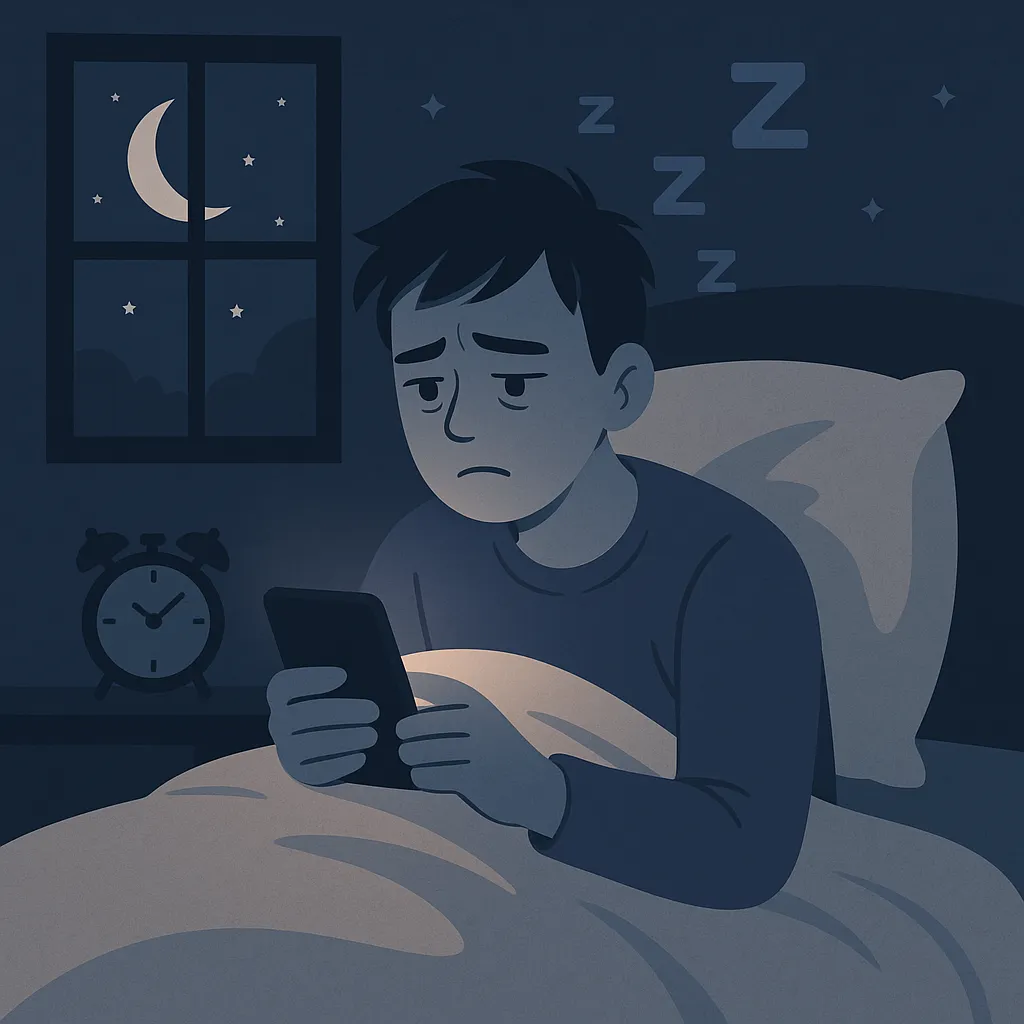
In today’s fast-paced world, sleep patterns have drastically changed. The rise of technology, social media, and stress has led to a broken sleep cycle, leaving many struggling to get a restful night’s sleep.

The modern generation’s sleep schedule has gone off the rails. There’s no consistency—people sleep and wake up at random times, and while it may seem “normal” in a fast-paced, always-online world, it’s quietly damaging mental clarity, physical health, and productivity.

What is a Healthy Sleep Cycle?

A sleep cycle consists of different stages: light sleep, deep sleep, and REM (Rapid Eye Movement) sleep. An average adult goes through 4–6 cycles per night, and a regular bedtime helps align this process with your body’s circadian rhythm (your internal body clock).

According to Dr. Richa Verma, Neurologist, Fortis Hospital,

“Your brain doesn’t just rest during sleep—it performs vital functions like memory consolidation, hormonal balancing, and emotional regulation. Irregular sleep patterns confuse the brain and disturb this natural repair system.”

What’s Messing Up the Sleep Cycle?

Here’s what’s causing the chaos:

  • Excessive screen time before bed (blue light suppresses melatonin)
  • Caffeine intake late in the day
  • Late-night work or study habits
  • No fixed sleeping/waking time
  • Stress, anxiety, or overthinking

Teens & Students (13–22 years)

  • Most affected due to late-night phone use and study pressure.
  • Poor sleep linked to weaker memory, reduced learning capacity, and mood swings.
  • Studies show students who sleep less than 6 hours a night perform 20–30% worse in exams compared to those who get 7–9 hours.

Working Professionals (23–40 years)

  • Constant emails, meetings, and “hustle culture” lead to burnout.
  • Irregular sleep disrupts productivity, problem-solving skills, and decision-making.
  • Sleep-deprived employees are 70% more likely to make errors at work.

Adults & Older Generation (40+ years)

  • Poor sleep linked to high blood pressure, diabetes, and heart issues.
  • Emotional health suffers too—chronic insomnia is closely tied to depression and anxiety.

Lack of sleep directly affects:

  • Focus & attention span
  • Creativity
  • Mood stability
  • Physical stamina

According to a Harvard study, sleep deprivation costs the global economy $680 billion a year in lost productivity.

What Can You Do to Fix It?

  • Stick to a consistent bedtime, even on weekends.
  • Avoid screens 30–60 minutes before sleep.
  • Cut caffeine after 2 PM.
  • Practice mindful wind-down routines (reading, journaling, music).
  • Use tools like sleep trackers or apps like Calm/Headspace for guided relaxation.

Final Thoughts:

Sleep isn’t a luxury, it’s a biological necessity. Whether you’re a student, a startup founder, or a retired grandparent—your body needs proper rest to perform, grow, and heal.

So the next time you find yourself pulling an all-nighter, ask yourself—”Is it really worth trading my health for a few more hours of screen time or work?”

Latest News

The Daily Guardian is India’s fastest
growing News channel and enjoy highest
viewership and highest time spent amongst
educated urban Indians.

Follow Us

© Copyright ITV Network Ltd 2025. All right reserved.

The Daily Guardian is India’s fastest growing News channel and enjoy highest viewership and highest time spent amongst educated urban Indians.

© Copyright ITV Network Ltd 2025. All right reserved.