A discomforting facts for many religiously sensitive people specially from India may find this painful and feel cheated. the Ice Cream and the medicines we consume, having Gelatin ingredient uses animal fats without prescribing it on the packet. Gelatin which is used in a number of different ice cream brands as well as pharmaceuticals, is an extract from cows’ and pigs’ flesh. This poses a major religious concern throughout India, where tens of millions of people follow dietary conventions based on Hinduism and Islam, the country’s two major religions.
Religious Sensitivities Around Gelatin
To Hindus, the cow is revered and eating its flesh or its by-products is taboo. Equally, most Muslims avoid pork ingredients such as gelatin from pig skin or bones that is regarded as haram or prohibited. Therefore, gelatin consumption by food and medicine can be really painful to both groups if kept hidden.
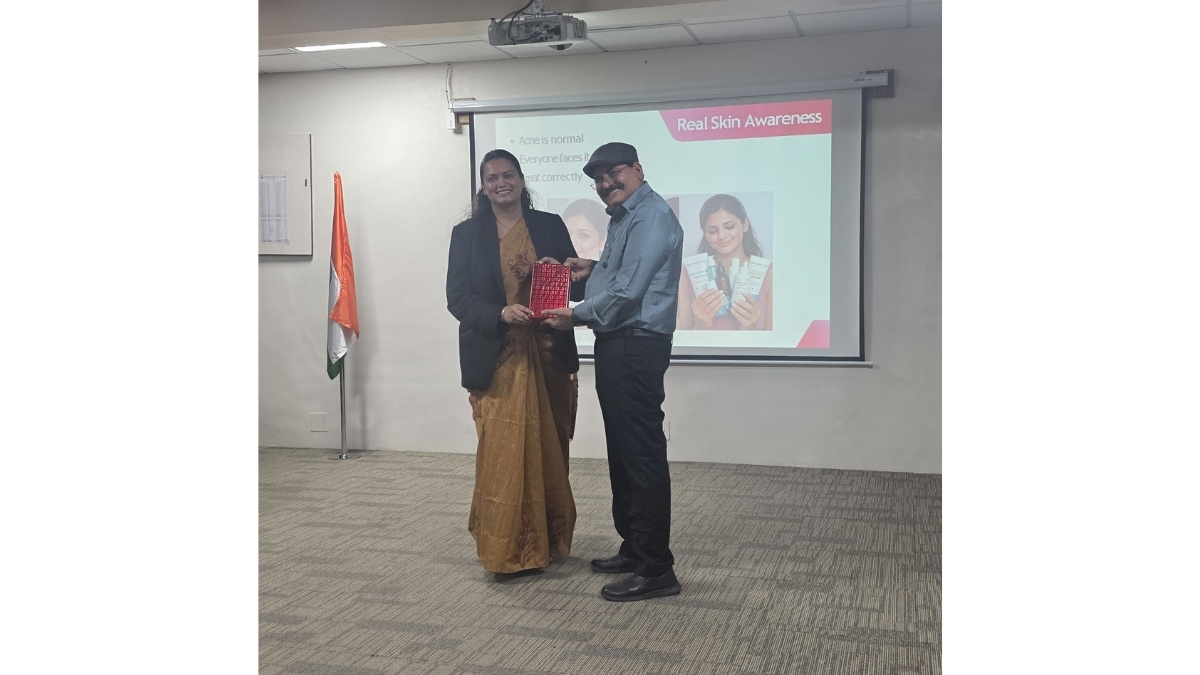
Lucknow-based derma-surgeon Dr. Ankit Kapoor points out that the use of gelatin derived from cows and pigs in common products such as ice creams and capsules hits a sensitive chord in Indian society. He says, “This is not a question of dietary choice but one that goes against the religious beliefs of both Hindus and Muslims. At the very least, there should be complete openness about such ingredients”. In fact he named several Ice Cream brands which continue this practice without any accountability or attention from regulatory bodies across the country.
Existing Labeling Shortfalls and Assertion for Transparency
Though the Food Safety and Standards Authority of India (FSSAI) requires the green and red dot mark to label vegetarian and non-vegetarian food respectively, several such products with gelatin continue to bear the green dot label, confusing or even misleading consumers. It is a violation of Food Safety and Standards (Packaging and Labelling) Regulations, 2011 and leads to mislead among consumers who are believe the product to be vegetarian.
Gelatin’s inclusion in pharmaceuticals and nutraceuticals also rarely appears explicitly on labels, even though it is present in many or most medicines, often causing ethical and religious dilemmas for patients unfamiliar with the ingredient’s origin. Research shows about 50-80% of medicinal capsules contain gelatin, sometimes from pig sources, unknown to patients and doctors alike.
Call for Action by FSSAI
Experts and religious leaders raise voice from time-to-time that FSSAI needs to implement strict labelling regulations specifically identifying gelatin-based products with a compulsory non-vegetarian red mark or a distinctive sign. This would enable consumers to make intelligent, respectful decisions without offending their beliefs.
Dr. Kapoor makes this point: “Accountability and transparency are the minimum we ask for. FSSAI must intervene and ensure products with gelatin clearly mark it with a symbol that is easily recognisable so religious feelings and consumer rights are respected”.
Nutshell
Gelatin’s extensive usage in manufacture of ice creams and pharmaceutical products poses an issue that combines health, religion, and consumer rights in India. Explicit compulsory labelling by FSSAI will ensure fixing the trust deficits between manufacturers and consumers, being sensitive to religious diversity and encouraging well-informed purchasing.