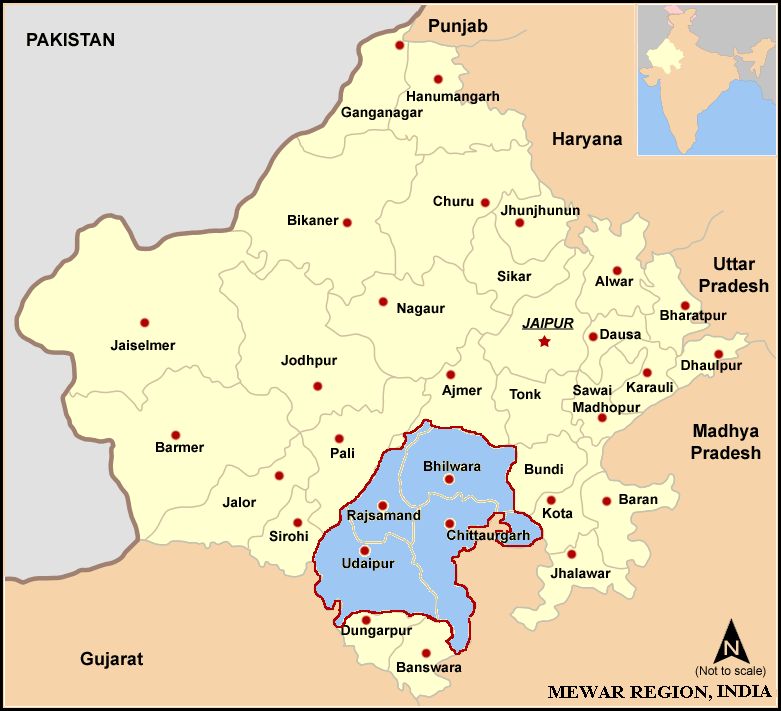
JAIPUR: The Rajputs of Rajasthan are among the most storied warrior communities in Indian history, traditionally classified into three main lineages, or Vanshas, each claiming mythical descent from revered figures of Hindu tradition. These lineages—Suryavanshi, Chandravanshi, and Agnivanshi—form the backbone of Rajput social and political organization, branching into 36 primary clans, or kulas, and countless sub-clans. The major ruling dynasties, including the Sisodias, Rathores, Kachwahas, and Chauhans, were historically organized around fort-based estates and hereditary kingdoms, each with a strong martial and feudal identity.
PRIMARY LINEAGES AND MYTHICAL DESCENT
The Suryavanshi, or Solar Dynasty, claims descent from Lord Ram, embodying ideals of courage, honor, and dharma. Prominent Suryavanshi clans include the Sisodias of Mewar, the Rathores of Marwar—ruling regions such as Jodhpur and Bikaner—and the Kachwahas of Amber, later Jaipur. Each of these dynasties held vast territories and established powerful fortresses, from the formidable walls of Chittorgarh to the strategic bastions of Mehrangarh and Amber Fort.
The Chandravanshi, or Lunar Dynasty, traces its origins to Lord Krishna and is represented by clans such as the Bhattis of Jaisalmer and the Jadoons. These clans, while less numerous than the Suryavanshis, played an influential role in the politics and military affairs of western Rajasthan.
The Agnivanshi, or Fire-born Dynasty, is said to have emerged from a sacred fire ritual, or yajna, at Mount Abu, symbolizing divine creation and martial power. Among the four principal Agnivanshi clans were the Chauhans, who ruled Ajmer and Kota, the Parmars or Pramaras, the Solankis or Chalukyas, and the Parihars or Pratiharas. These dynasties were renowned for their valor, strategic acumen, and adherence to Rajput codes of honor.
HIERARCHY AND SOCIAL ORGANIZATION
The Rajput social structure was highly organized and hierarchical. At the top of this hierarchy was the Vansha, representing the major lineage. Within each Vansha were clans, or kula, such as the Sisodias or Rathores, which further subdivided into branches, or shakhas. Each branch contained smaller units, called khamp or khamp, and the smallest subdivision was known as the nak.
MAJOR RULING CLANS AND THEIR TERRITORIES
The Sisodias of Mewar, perhaps the most celebrated Rajput clan, ruled from Udaipur and were famous for their resistance to Mughal conquest, valor in battle, and patronage of art and architecture. The Rathores controlled Marwar, with Jodhpur and Bikaner as their principal seats, known for their martial traditions and governance of desert regions. The Kachwahas established Amber, later Jaipur, as their capital and cultivated strategic alliances that shaped the politics of northern India. The Chauhans, including the Hada and Deora branches, ruled Ajmer, Kota, Bundi, and Jhalawar, maintaining a balance between martial prowess and administrative skill. Other influential clans included the Bhattis of Jaisalmer and the Shekhawats of Shekhawati, both contributing to Rajasthan’s rich cultural and architectural heritage.
HISTORICAL AND SOCIAL CLASSIFICATION
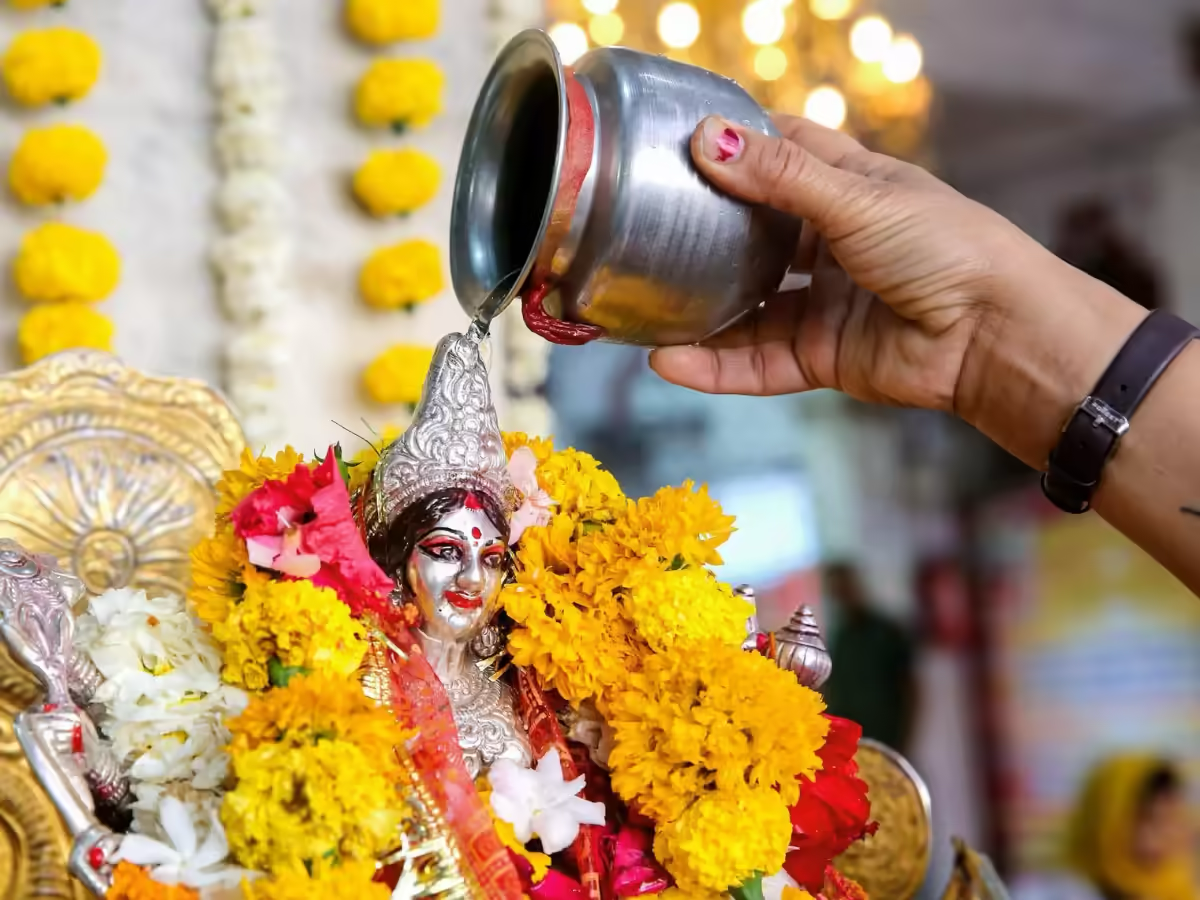
Historically, Rajputana recognized 36 royal clans, the Chhattis Rajkul, forming the elite warrior aristocracy. Below these clans, landholding nobles or Thikana-dars exercised control over estates and served as military leaders under their rulers. A distinct social category, known as Rawna-Rajputs, historically included communities descended from Rajput fathers and non-Rajput mothers, reflecting the complexities of social hierarchy and lineage. Each clan traditionally maintained a protective family goddess, or Kuldevi, embodying the deep intertwining of spirituality and martial identity.
LEGACY OF RAJPUT LINEAGES
The Rajput lineages of Rajasthan represent a remarkable blend of mythology, valor, and social order. From their origins in divine descent narratives to their establishment of fortified kingdoms and estates, Rajputs created a structured society governed by lineage, clan, and local traditions. Their hierarchical organization, martial ethos, and devotion to spiritual and cultural norms shaped the political and social landscape of Rajasthan for centuries, leaving a legacy that continues to influence the region’s identity today.