
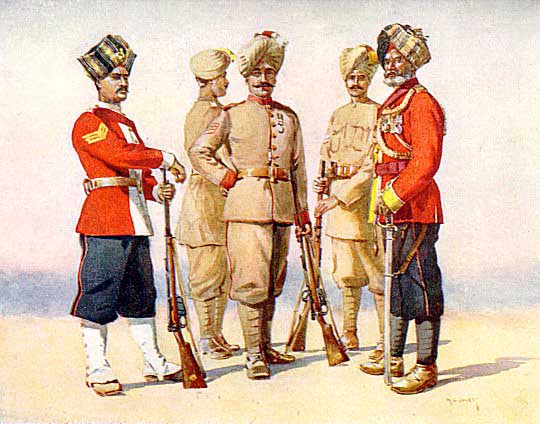
JAIPUR: Rajasthan, historically a land of warriors and forts, saw the introduction of firearms in the 16th century. Influenced by the Mughals and trade links with Persia and Europe, Rajput kingdoms acquired matchlocks, arquebuses, and cannons. Initially reserved for kings and elite guards, these firearms complemented traditional swords and bows, transforming siege tactics and battlefield strategies.
Maharajas’ guns from Rajasthan were not only functional but also highly ornate, often featuring intricate gold and silver damascening. They were used in war, hunting, and ceremonial occasions, symbolizing status, power, and martial skill. Renowned collections, such as those preserved at Mehrangarh Fort in Jodhpur and the Amber Palace in Jaipur, display matchlocks (jezails), swivel guns, and imported European firearms, reflecting both local craftsmanship and global influence.
KEY ASPECTS OF RAJPUT FIREARMS
Types of Guns: Collections include long-barreled Jezails with Damascus-twist barrels, bunduks, and ornate pistols made of steel, rosewood, gold, and silver.
Jodhpur Collection: Dr. Robert Elgood’s The Maharaja of Jodhpur’s Guns details extensive arms from the 17th-20th centuries, including weapons used by Maharaja Ajit Singhji.
Customization and Artistry: Some firearms, like Maharaja Takhat Singh’s matchlock rifle or gold-gilt guns ordered from London’s Charles Lancaster, showcase elite craftsmanship.
Design and Functionality: Many rifles were designed for hunting large game, while also reflecting Mughal, Ottoman, and European technological influences.
Rajput firearms remain enduring symbols of the region’s martial tradition, artistry, and global connections.
THE RISE OF RAJPUT ARTILLERY
Rajput rulers quickly adopted and customized firearms for their armies. Jaipur, Jodhpur, and Bikaner were particularly noted for producing matchlocks and early flintlock guns. Skilled blacksmiths, known locally as lohar, forged gun barrels, often decorating them with intricate floral patterns, inscriptions, or gold inlays. Rajput kings also imported European cannons, which were sometimes mounted on the walls of forts such as Mehrangarh, Chittorgarh, and Kumbhalgarh, enhancing the defensive capabilities of these strongholds.
GUNS AND FORTRESSES
The iconic forts of Rajasthan were not just architectural marvels—they were designed to accommodate artillery. Thick walls, bastions, and strategically placed ramparts allowed defenders to fire cannons or muskets on attacking armies. In battles like the sieges of Chittorgarh and Gwalior, Rajput warriors utilized a combination of traditional weapons and firearms, demonstrating a hybrid military strategy. Cannons, often named and revered, were treated almost like royal treasures and sometimes given elaborate decorative covers.
MUGHAL AND EUROPEAN INFLUENCE
The increasing presence of Mughals and European traders in Rajasthan brought advanced firearms technology. Flintlock and percussion guns gradually replaced earlier matchlocks. Some Rajput rulers sent emissaries to Europe to learn about gun-making techniques. This period also saw the fusion of decorative arts with weapon-making, where rifles, pistols, and cannons were adorned with gemstones, gold, and motifs of animals or deities.
THE ROLE OF GUNS IN ROYAL COLLECTIONS
Many Rajasthani palaces and museums today showcase royal gun collections, reflecting both artistry and military history. The Jaipur City Palace Museum and the Mehrangarh Fort Museum in Jodhpur house exquisitely decorated guns, including flintlocks, matchlocks, and early rifles. These firearms were not only weapons of war but also symbols of prestige, wealth, and technological sophistication.
DECLINE AND LEGACY
By the 19th century, with the arrival of modern European firearms and the British colonial army, traditional Rajput guns became less central to warfare. However, their cultural and artistic value endured. Today, antique guns from Rajasthan are prized by collectors, historians, and museums worldwide. They represent a unique combination of martial skill, craftsmanship, and the valorous history of Rajput warriors.
CULTURAL SIGNIFICANCE
Beyond their military use, guns in Rajasthan held ceremonial importance. They were fired during royal processions, festivals, and victories in battle. The sound of a cannon or musket symbolized authority and celebration, linking firearms to both power and cultural identity.
The history of guns in Rajasthan is not just a tale of weapons—it is a story of adaptation, innovation, and artistry. From early matchlocks to ornate flintlocks and cannons, Rajput rulers embraced firearms to defend their kingdoms while merging them with the region’s rich aesthetic traditions. Today, these guns stand as enduring symbols of Rajasthan’s martial heritage, reflecting a past where valor, craftsmanship, and technology met on the battlefields and in royal courts.