
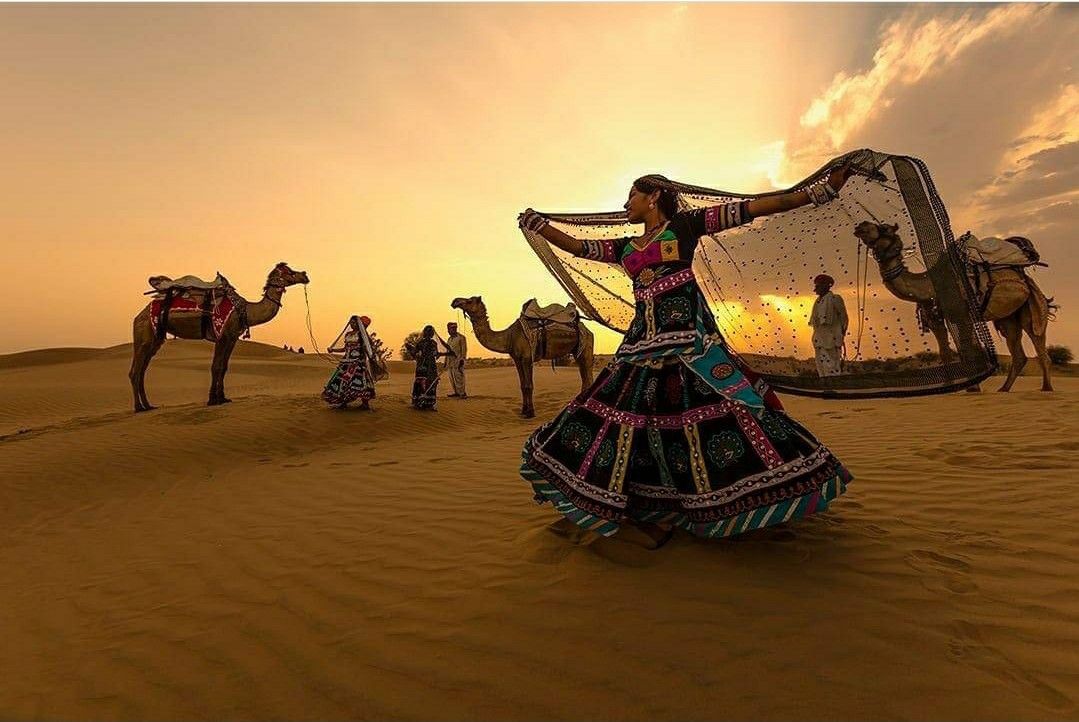
JAIPUR: Rajasthan, the land of forts, deserts, and royal palaces, is also home to a vibrant tribal culture that adds a unique dimension to the state’s identity. Spread across its forests, hills, and river valleys, the tribes of Rajasthan have preserved their traditions, crafts, and way of life for centuries. Each tribe has a distinct language, attire, art form, and social structure, reflecting the diversity and richness of Rajasthan’s cultural tapestry.
THE BHILS: ARCHERS OF THE HILLS
The Bhils are the largest and most well-known tribal community in Rajasthan, primarily inhabiting the southern districts of Udaipur, Banswara, Dungarpur, and Sirohi. Traditionally skilled archers, the Bhils played an important role in historical battles and are often depicted in folklore as brave warriors of the region.
Their lifestyle is closely tied to agriculture, forest produce, and traditional hunting. Bhil culture is vibrant, with folk dances like Ghoomar and the Bhil dance performed during festivals, weddings, and seasonal celebrations. Their songs often narrate stories of valor, nature, and ancestral heritage. Adorned with colorful clothing and intricate jewelry, the Bhils represent a harmonious blend of resilience and artistic expression.
THE MEENAS: GUARDIANS OF EASTERN RAJASTHAN
Concentrated in eastern Rajasthan districts such as Jaipur, Sawai Madhopur, Dausa, and Alwar, the Meenas are an agriculturist tribe with a rich historical and cultural legacy. Once rulers of several principalities, the Meenas today continue to play an important role in the state’s rural economy.
Meena culture is marked by folk music, traditional dance, and unique rituals. They celebrate festivals like Holi, Diwali,and Teej with great enthusiasm, often incorporating local customs into these events. The Meenas are also known for their distinctive tattooing traditions and craftsmanship, including pottery and decorative art. Their villages, often located near rivers or fertile land, maintain age-old communal practices and social harmony.
THE GARASIAS: HILLS AND HERITAGE
Garasias inhabit the hilly regions of southern Rajasthan, particularly in Udaipur and Banswara. They are traditionally hill dwellers, engaged in agriculture, cattle rearing, and forest-based livelihoods. The Garasias have a reputation for being independent and closely connected to nature.
Their cultural expressions include colorful attire, elaborate jewelry, and folk dances performed during weddings and community gatherings. Storytelling, through songs and dances, is an integral part of Garasia life, passing down myths,folklore, and historical accounts from one generation to the next. The Garasias’ close relationship with the land and forests highlights the ecological wisdom embedded in tribal lifestyles.
THE SEHARIYA: FOREST DWELLERS OF SOUTHEASTERN RAJASTHAN
The Sehariya tribe primarily lives in the Baran, Kota, and Bundi districts. Known as forest dwellers, the Sehariya have traditionally relied on gathering forest produce, hunting, and small-scale farming. Their community life revolves around the rhythms of nature, and their festivals often honor deities associated with forests and agriculture.
Sehariya artisans are known for their craftwork, including bamboo and wood products, while their folk songs celebrate seasonal changes, harvests, and local legends. Despite modernization pressures, the Sehariya maintain their customs, with a strong emphasis on collective living and respect for natural resources.
THE DAMOR: CLOSE ALLIES OF THE BHILS
The Damor tribe is concentrated in Banswara and Dungarpur districts and shares many cultural similarities with the Bhils.Traditionally agriculturists and laborers, the Damor have also been involved in local governance and community decision-making processes.
Their festivals, dances, and rituals often mirror Bhil traditions, but they also retain distinct folk narratives and storytelling styles. The Damor, like other tribes, decorate themselves with vibrant clothing, beads, and ornaments during festivals,reflecting a deep connection to their heritage.
THE KOLIAS AND BHIL GARASIAS: SUB-COMMUNITIES WITH UNIQUE IDENTITY
The Kolias, found in Udaipur and Chittorgarh, are known for their dedication to folk arts and local festivals. They maintain their unique customs while actively participating in regional cultural exchanges.
The Bhil Garasias, a subgroup of the Bhils inhabiting hilly terrains of southern Rajasthan, combine the martial traditions of the Bhils with the agrarian and pastoral lifestyle of the Garasias. Their music, dances, and traditional attire are a visual celebration of Rajasthan’s tribal diversity.
PRESERVING TRIBAL HERITAGE IN MODERN RAJASTHAN
Despite the pressures of urbanization and modernization, Rajasthan’s tribal communities continue to preserve their cultural identity. Folk dances, music, handicrafts, festivals, and rituals are passed down through generations, keeping the heritage alive. Efforts by the state government, NGOs, and cultural organizations have further supported the promotion of tribal tourism and crafts, giving global recognition to these communities.
Rajasthan’s tribes not only contribute to the state’s cultural richness but also play a vital role in sustaining its ecological and social balance. Their deep connection to nature, communal living, and artistic expressions make them an inseparable part of the state’s history and identity.
The Bhils, Meenas, Garasias, Sehariya, Damor, Kolias, and Bhil Garasias together form a vibrant mosaic of tradition,resilience, and creativity, making Rajasthan much more than deserts and palaces—it is a land where tribal heritage thrives.