

Why Some Nations Choose to Live Without Fighter Jets
Several nations have chosen peace, partnerships or practicality over fighter jets with their unique defence models show that safety isn’t always measured in air power it can come through diplomacy, cooperation or constitutional choice. While most nations maintain air combat fleets, a few depend on diplomacy, geography or alliances instead. From Iceland’s NATO patrols to Costa Rica’s demilitarization, these countries prioritize peace, partnerships or practical constraints over military air power-proving that national security isn’t always about jet fighters.
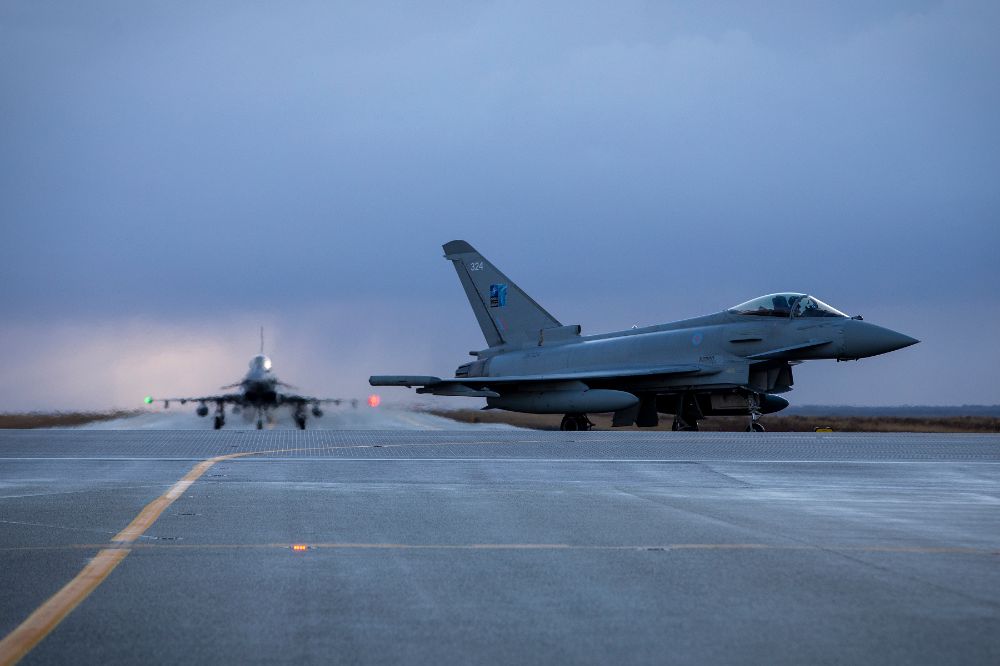
Iceland
Iceland disbanded its air force, relying on NATO allies for protection and given its key Atlantic position, member nations rotate air patrols to ensure Icelandic security. This cooperative arrangement highlights how alliances can replace national fleets while maintaining effective aerial defence.
(Photo: Pinterest)
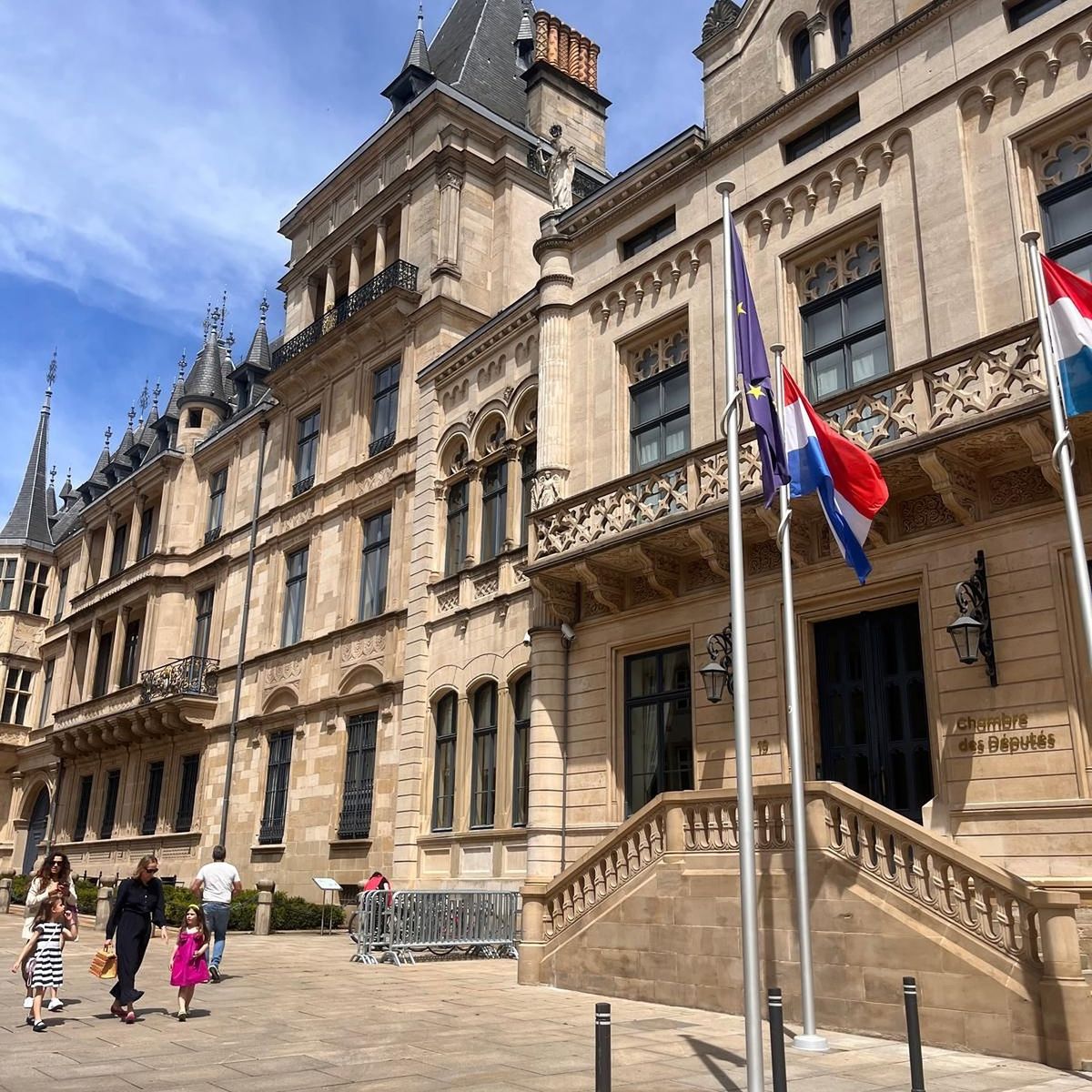
Luxembourg
Luxembourg contributes to NATO’s collective defence through space systems, airlift support and cyber initiatives. This approach allows the small European nation to remain secure while investing in cooperative and technological defence capabilities.
(Photo: Pinterest)
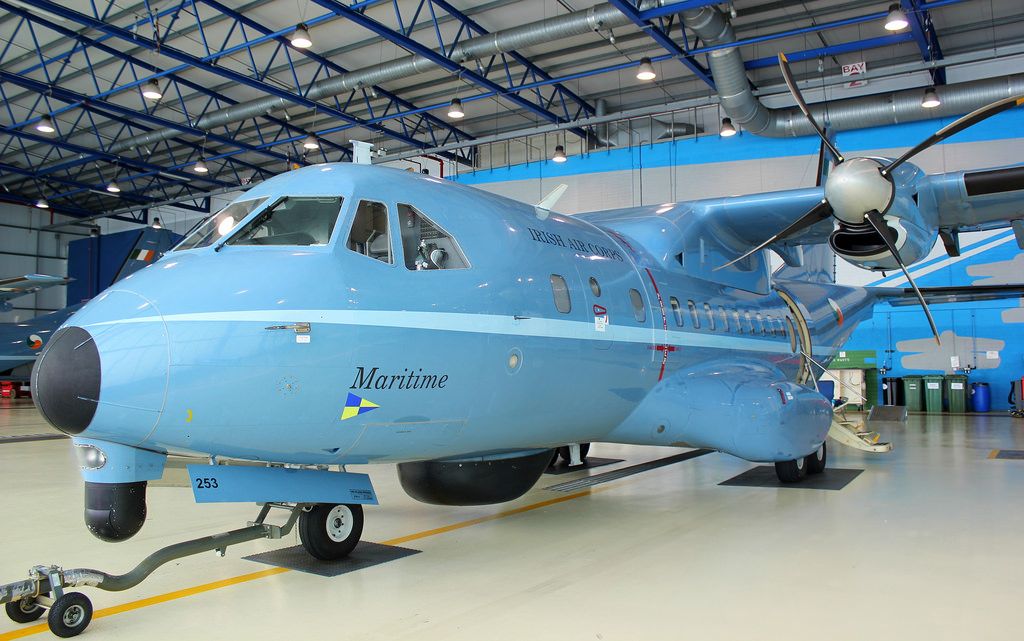
Ireland
Ireland’s long-standing neutrality means it avoids offensive capabilities like fighter jets. Its Air Corps handles surveillance, coastal patrols and humanitarian tasks. The absence of combat jets reflects Ireland’s diplomatic commitment to peace and neutrality in global affairs.
(Photo: Pinterest)
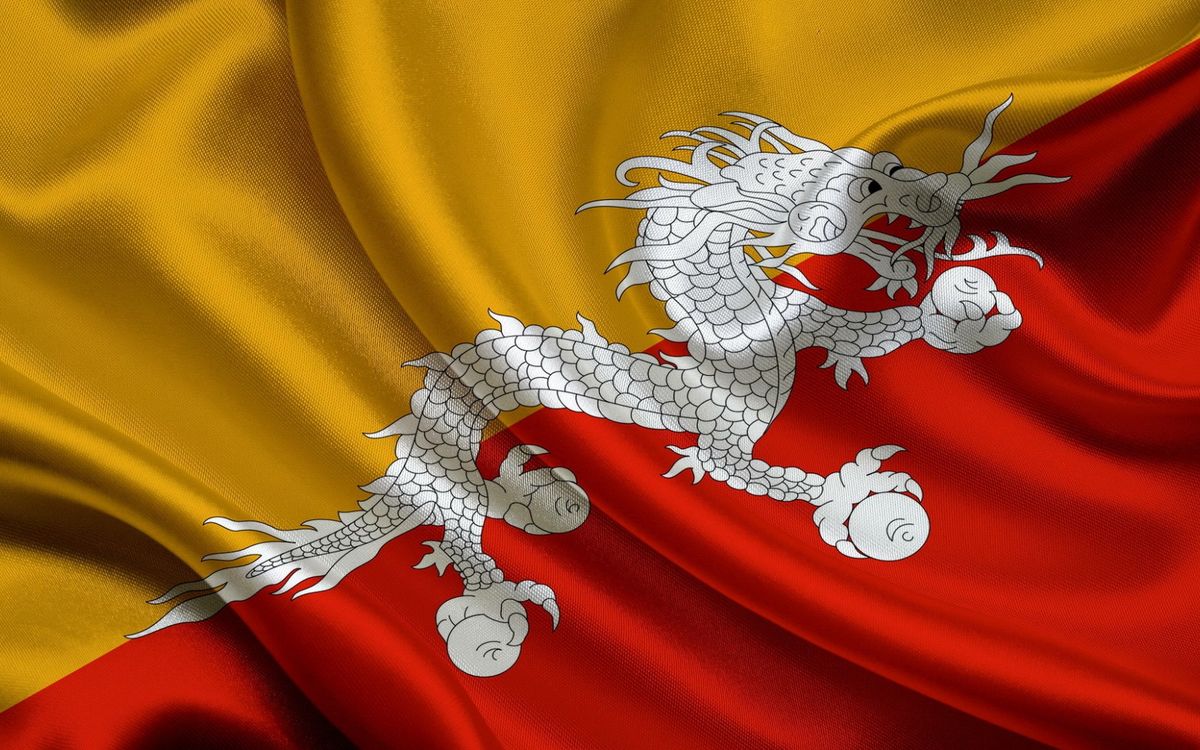
Bhutan
Nestled in the Himalayas, Bhutan maintains no fighter aircraft is relying on India under a 1949 treaty for defence support. Its challenging geography and peaceful diplomacy have kept Bhutan focused on internal security and development rather than offensive air power.
(Photo: Pinterest)
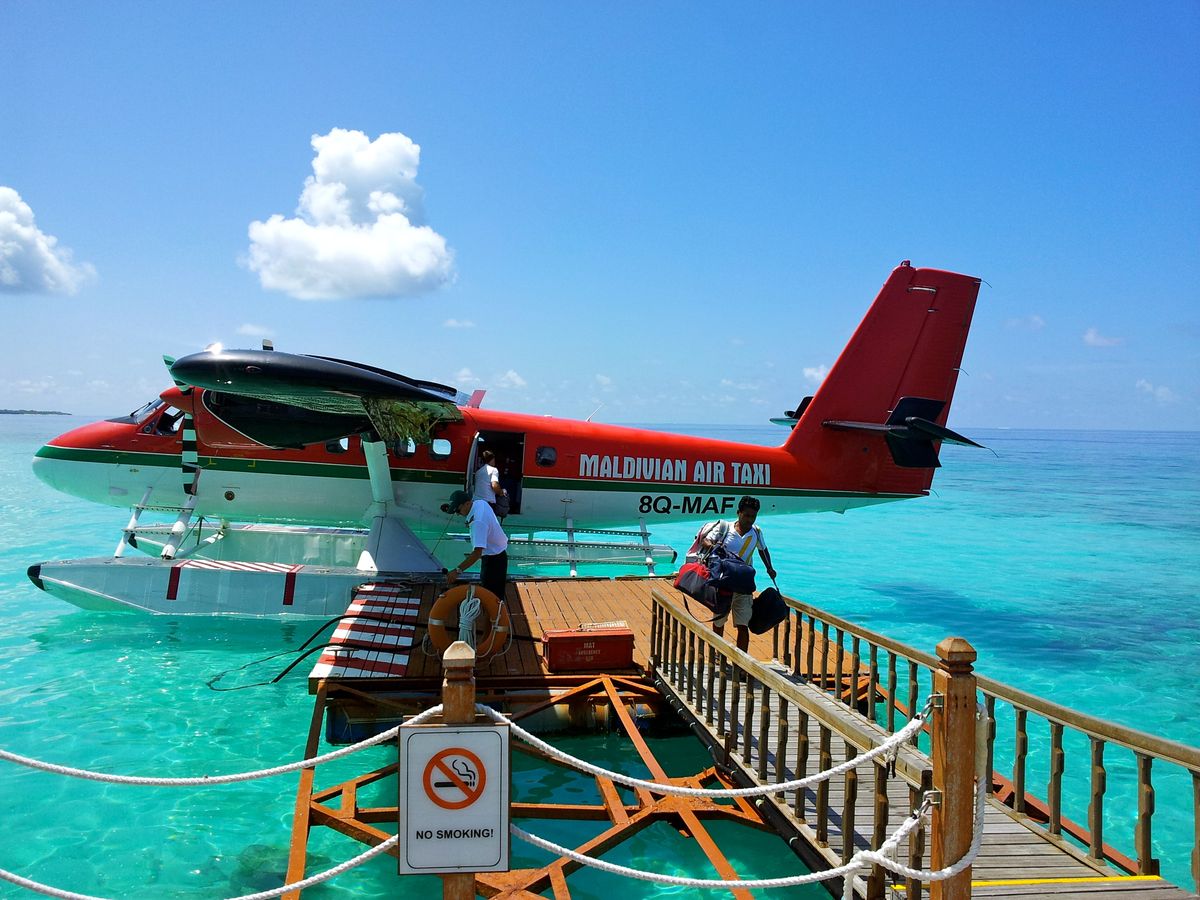
Maldives
Surrounded by the vast Indian Ocean, the Maldives prioritizes maritime safety and tourism over air combat with partner nations, mainly India provide air surveillance when needed. Its limited territory and peaceful stance make a fighter jet fleet impractical.
(Photo: Pinterest)
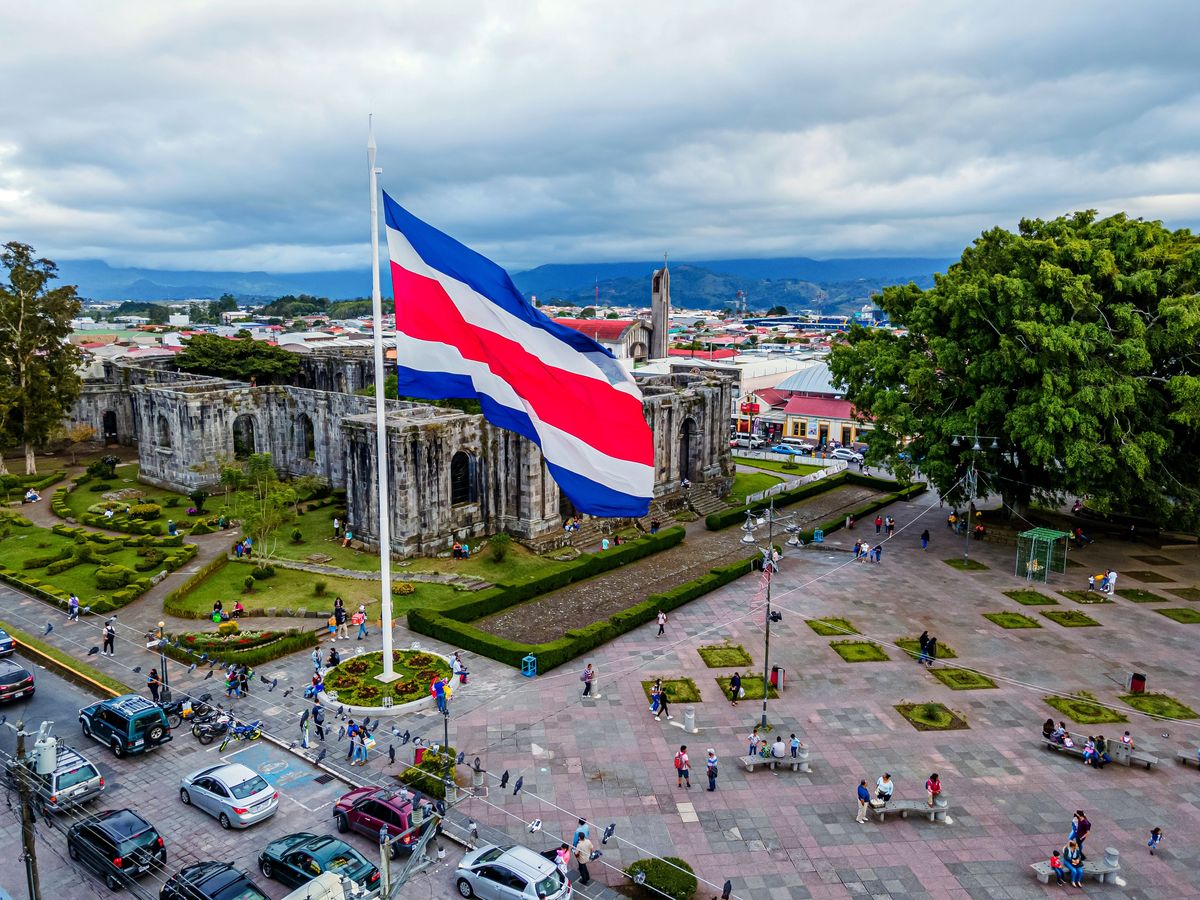
Costa Rica
Costa Rica stands as a global symbol of peace. By abolishing its army decades ago, it redirected funds to education and welfare without fighter jets or a military, it relies on diplomacy and international cooperation for stability and defence.
(Photo: Pinterest)
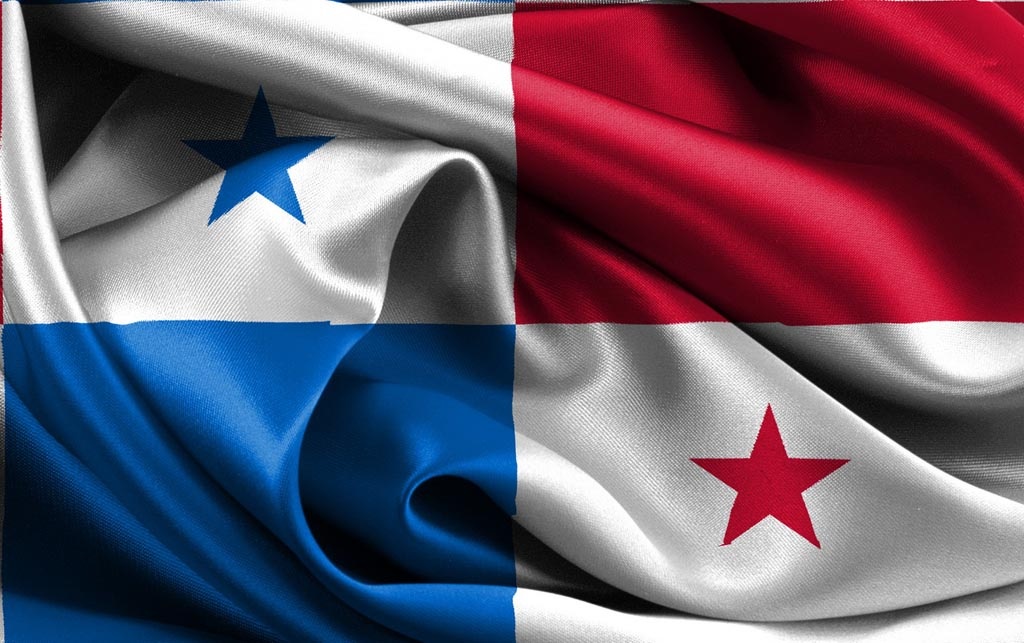
Panama
After the 1989 U.S. invasion, Panama’s constitution banned a standing army with its limited aviation units serve in disaster response and policing. Dependence on allies for air defence reflects its commitment to non-militarization.
(Photo: Pinterest)




