

Why Russia’s Su-57 Fighter Jets Fly in Pairs
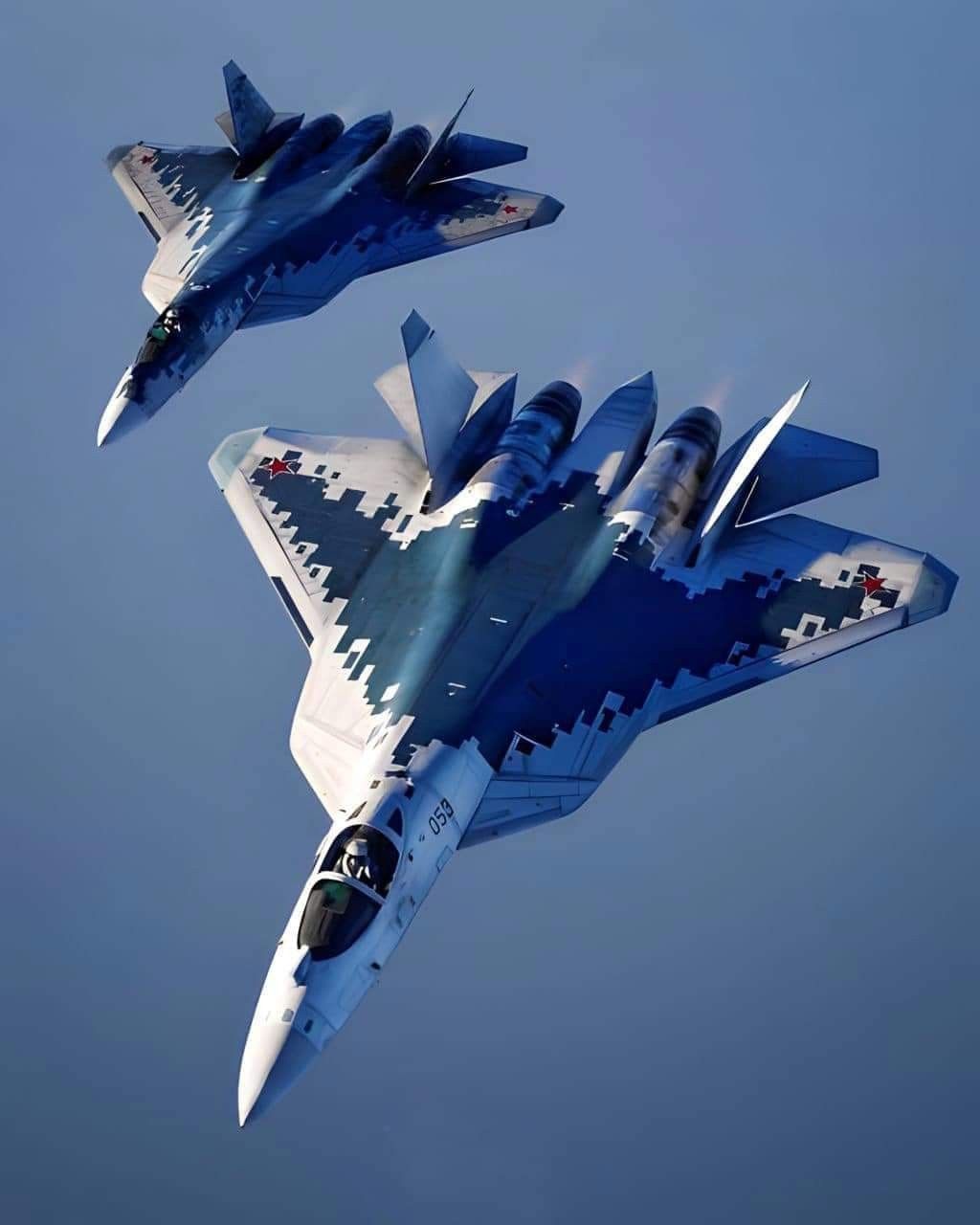
Mated flying is a die hard air strategy for the Su-57 stealth attack aircraft of Russia. Mated flying improves the situational awareness of pilots in tactical role sharing and in mutual protection. With top-notch radar and data links, two Su-57s can act as a singular, coherent unit, detecting threats and coordinating attacks. This practically enhances mission success and survivability in more cases such as patrolling or deep strike missions. But it’s going to cost more training of pilots and more assets per mission it’s expensive, but the Russian Air Force persists because both historical precedent and modern technology have always been used to implement this method.
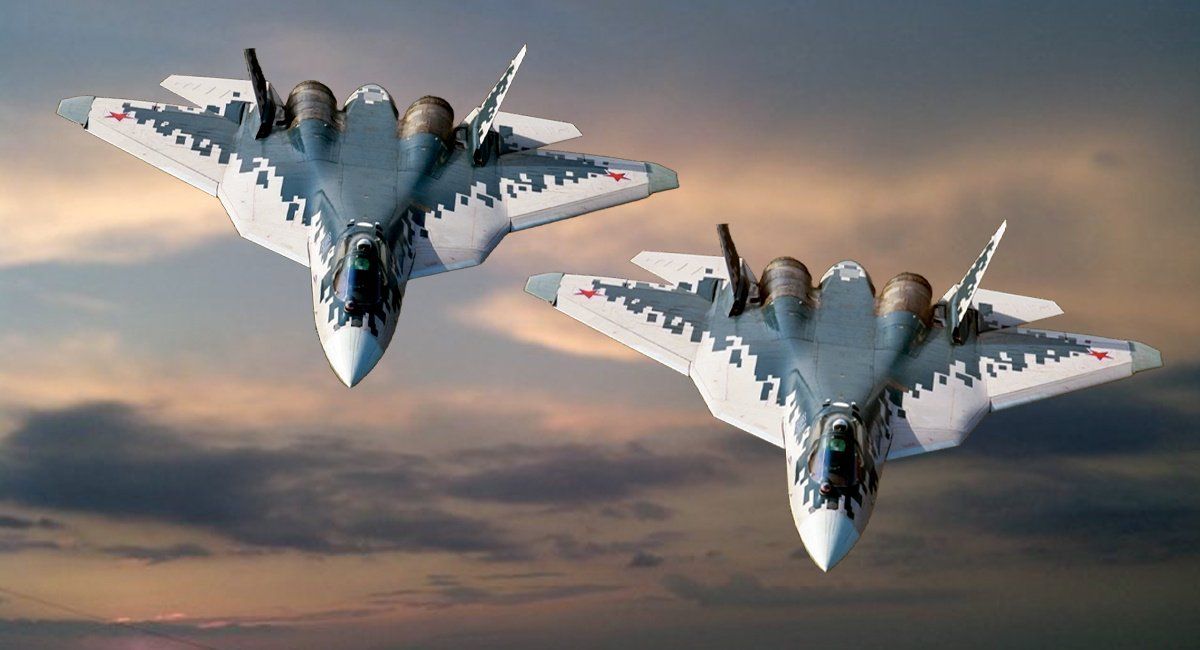
Why Su-57s Fly in Pairs
Su-57 Flying in pairs boosts mission success and survivability. The lead jet takes the primary role while the wingman supports, defends and covers blind spots.
(Photo: Pinterest)
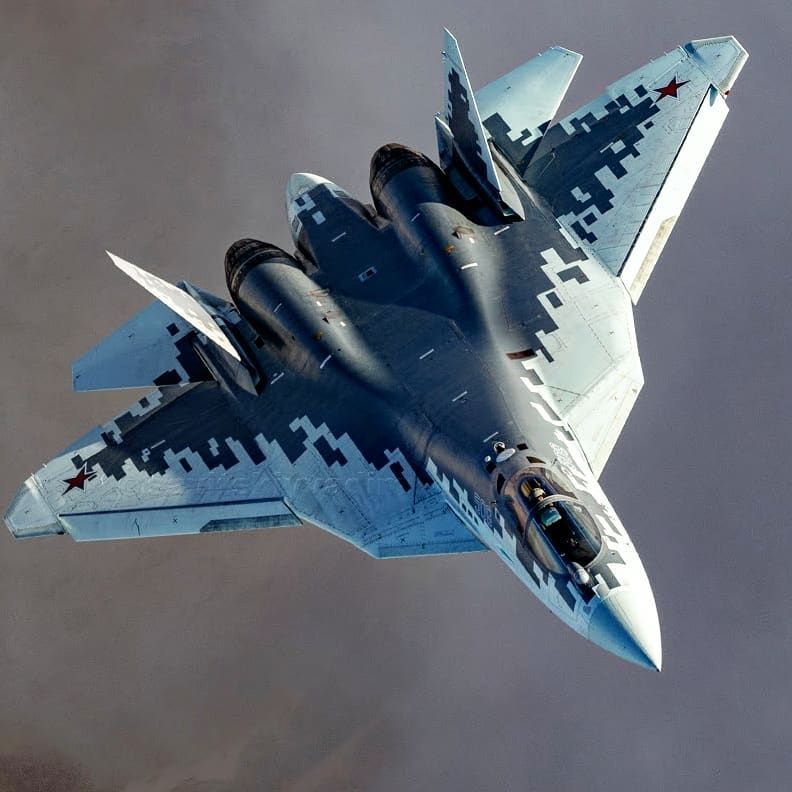
Tactical Role and Shared Attack
In a fight one jet targets threats while the other watches for danger or assists. This division of roles increases survival and mission success rates.
(Photo: Pinterest)
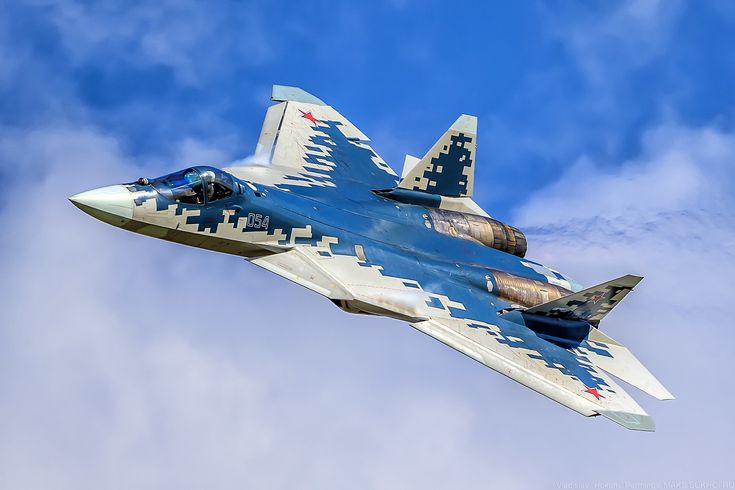
Mutual Protection in Combat
Flying in pairs lets each jet protect the other. If one is attacked, the wingman can fight back or help it escape—a tactic used since WWII.
(Photo: Pinterest)
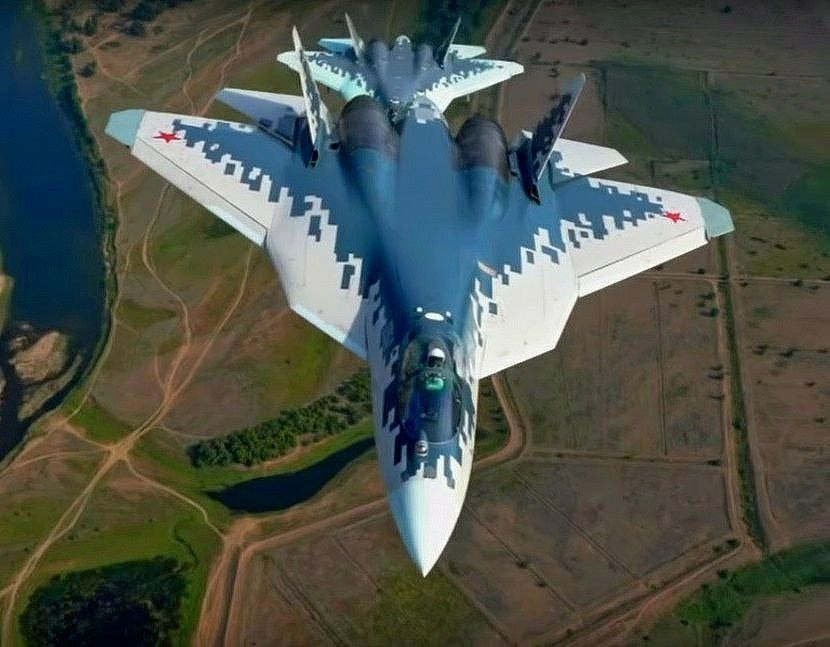
Using Advanced Systems Together
Linked by data systems, Su-57s act as one unit. They detect, track, and attack together, making their combined firepower more effective than solo flight.
(Photo: Pinterest)
Strategic Advantage of Teamwork
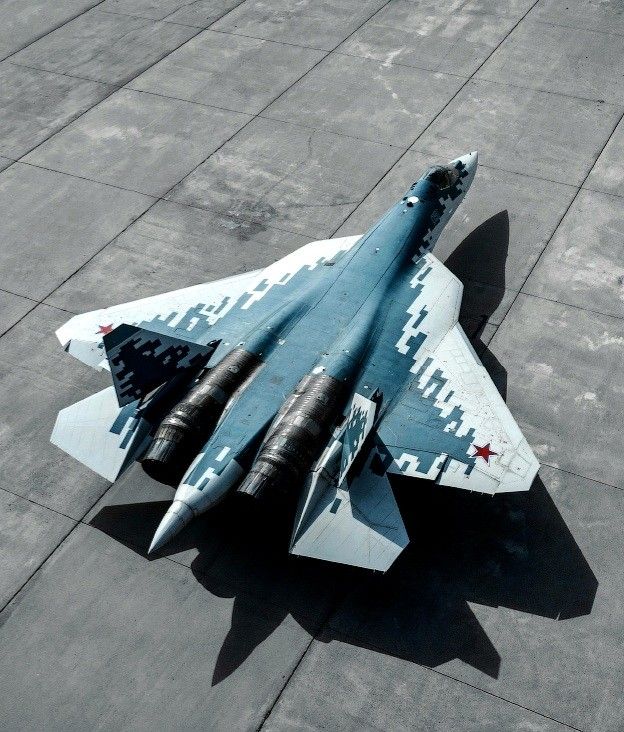
In missions, the leader acts while the wingman adapts. This teamwork keeps both jets flexible and harder to counter, increasing mission success.
(Photo: Pinterest)
Limits of Pair Flying
Flying in pairs costs more in jets and training. Not every air force can support this level of teamwork or maintain the required pilot skills.
(Photo: Pinterest)
Real Combat Use of Su-57 Pairs
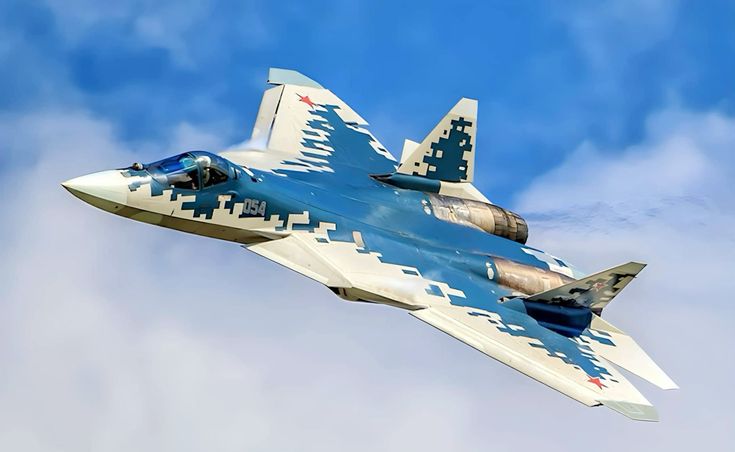
Su-57s often fly in pairs in real missions. This allows wide control with fewer jets, faster threat response and safer operations in active zones.
(Photo: Pinterest)




