

Why Grey Paint Makes Fighter Jets Invisible in Combat | The Science Behind
Fighter jets are painted grey to enhance stealth, reduce radar detection and blend with the sky. The coating also protects against weather, UV rays and corrosion. The grey color helps pilots to avoid glare while improving focus and safety. The strategic use of this color optimizes performance and mission success.
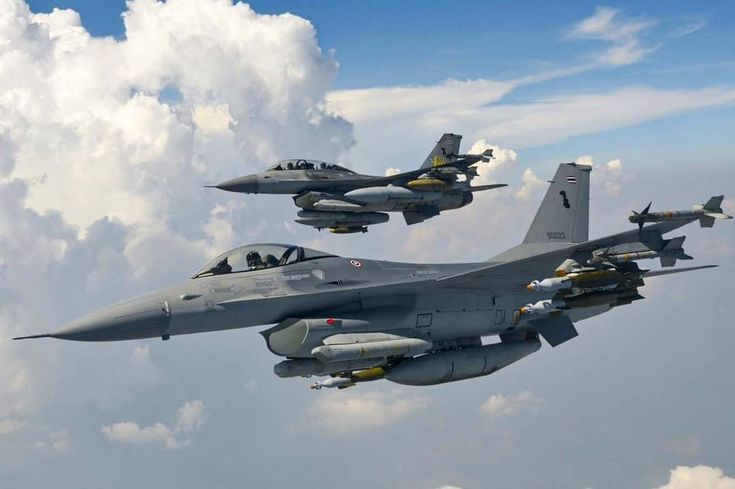
Why Fighter Jets Are Mostly Grey
Fighter jets are commonly painted grey because this color helps them blend into the sky at higher altitudes. Grey reduces glare and making aircraft harder to spot. It’s an ideal shade for combat missions allowing pilots to stay hidden from enemy forces while improving their chances of successful operations.
(Photo: Pinterest)
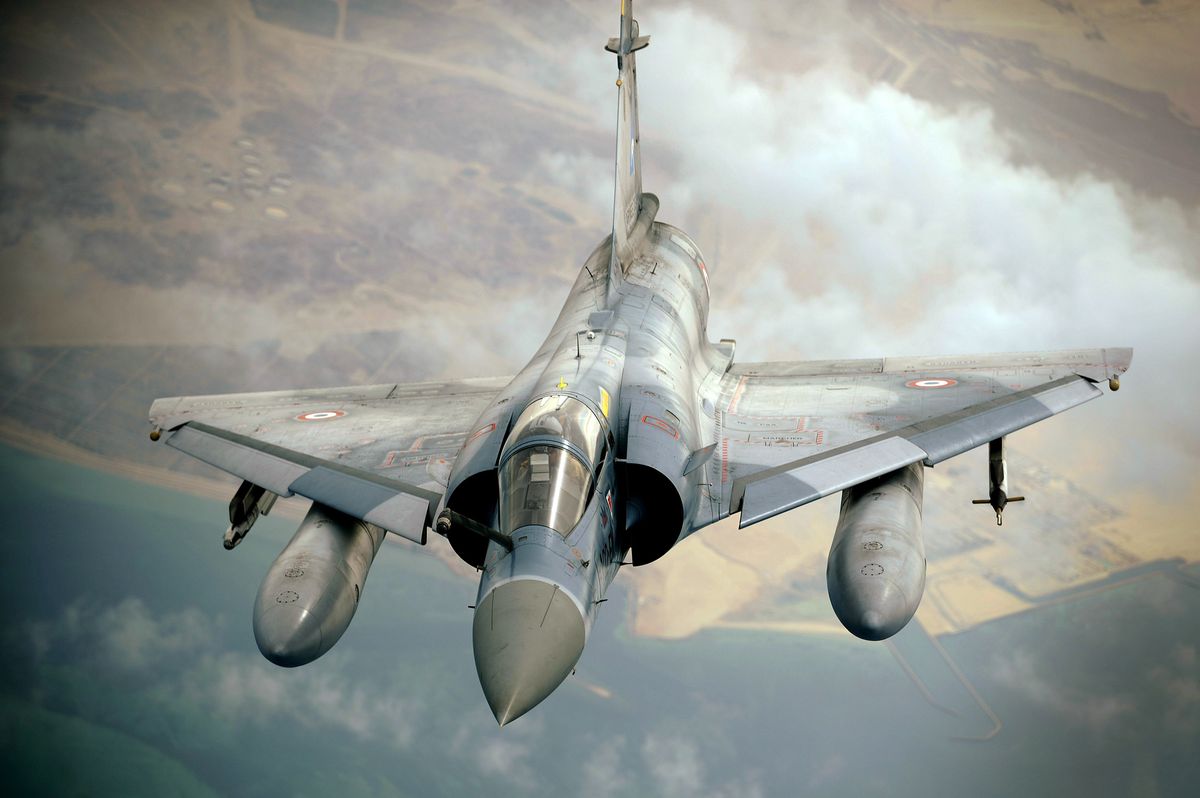
Camouflage in the Sky
Camouflage is essential for fighter jets. Grey tones match the sky and clouds making the aircraft less visible from below or above. This helps reduce detection by enemies and enhances mission success. Grey also helps pilots navigate without standing out against different weather and lighting conditions during various missions.
(Photo: Pinterest)
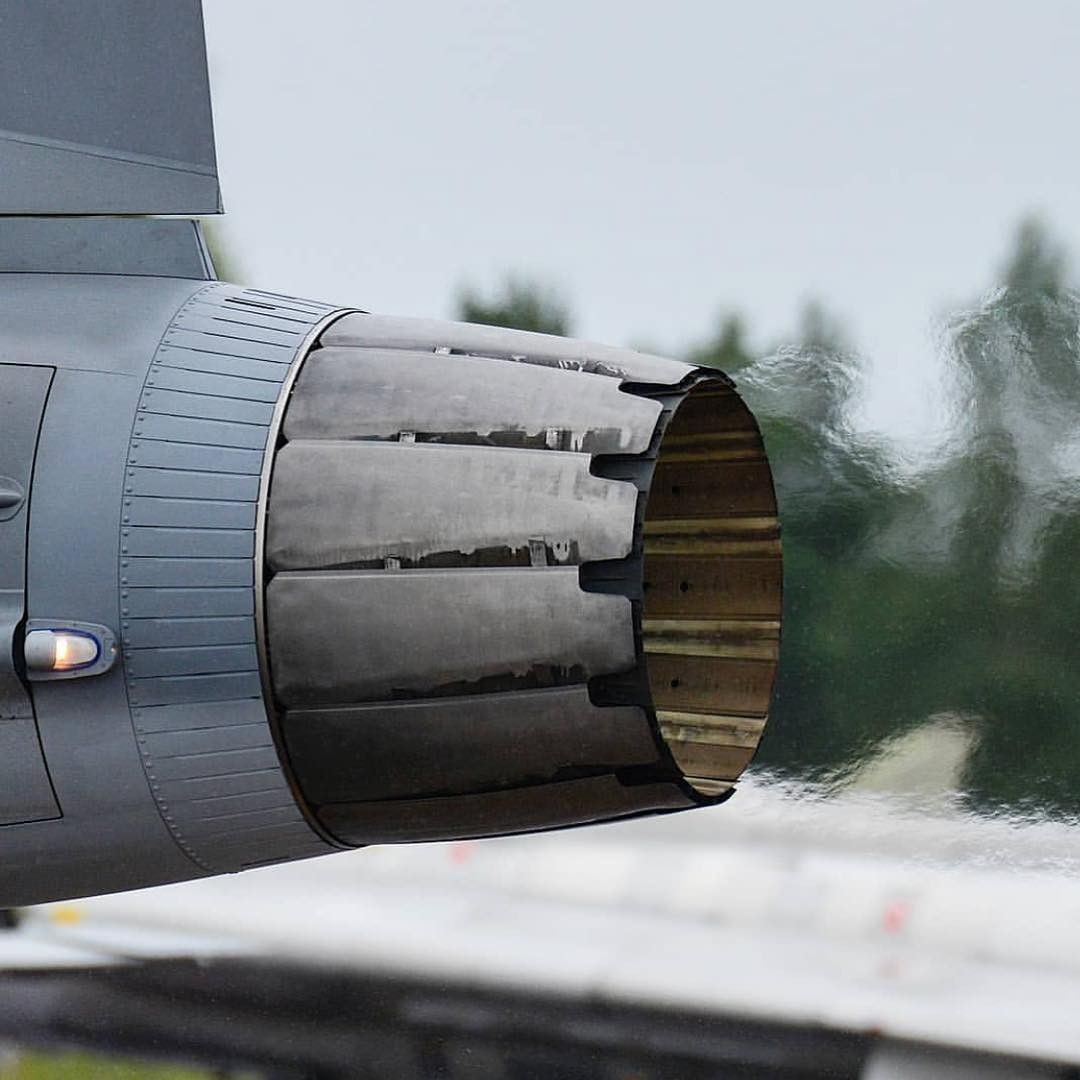
Reducing Radar Signatures
Some grey paint formulations are designed to reduce radar signals by absorbing or deflecting them. This improves stealth and prevents enemy tracking. The use of radar absorbing materials helps fighter jets remain undetected while flying deep into contested zones, giving military forces an upper hand during surveillance and combat operations.
(Photo: Pinterest)
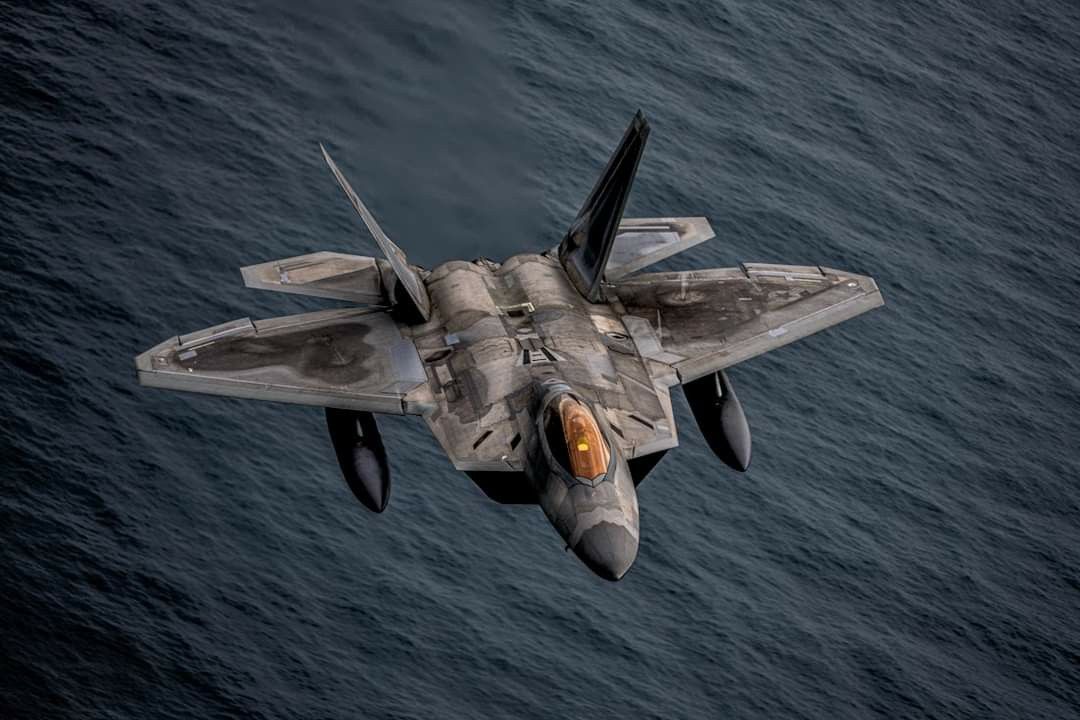
Weather Resistance & Maintenance
The grey paint used on fighter jets is not just for appearance. It helps protect the aircraft from extreme temperatures, corrosion and ultraviolet rays. This makes jets more durable and easier to maintain in varied climates. Consistent maintenance ensures peak performance, safety and longer service life during missions.
(Photo: Pinterest)
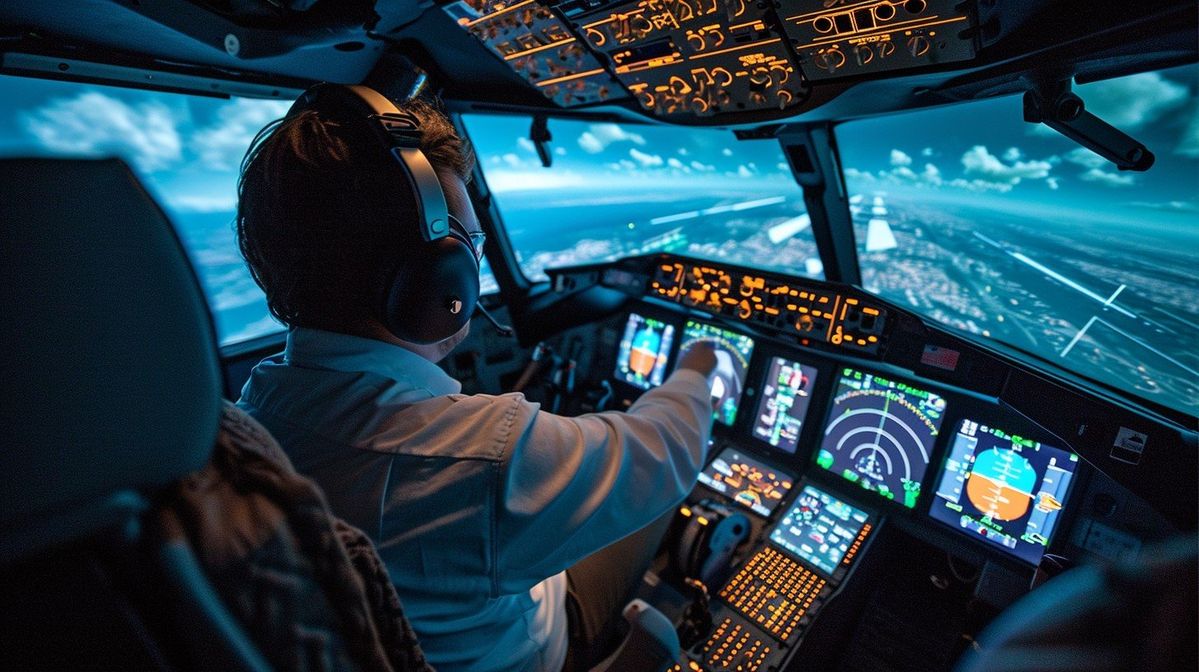
Enhancing Pilot Safety
Fighter jet cockpits are coated with grey paint to reduce reflections and sunlight glare. This helps pilots maintain focus and control during critical operations. Minimizing distractions and visibility issues allows for safer flying in high-pressure combat situations where clear vision is essential for navigation and decision-making.
(Photo: Pinterest)
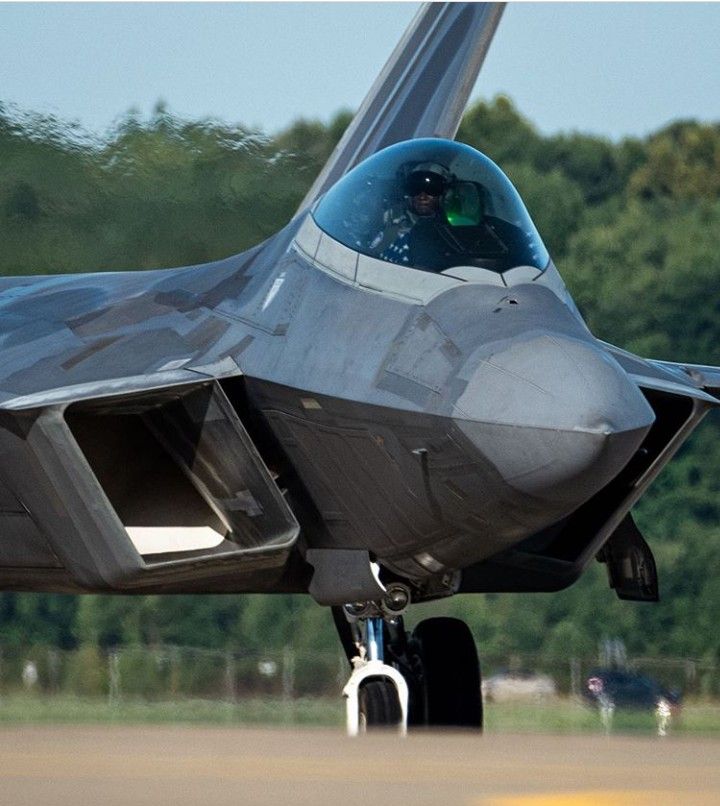
Psychological Effects of Grey
Grey conveys a sense of calm, control and professionalism. The bright or flashy colors grey avoids drawing unnecessary attention. Its subtle appearance also psychologically reinforces the jet’s intimidating presence, while giving pilots and ground crews a feeling of preparedness, discipline and technological superiority during critical missions.
(Photo: Pinterest)
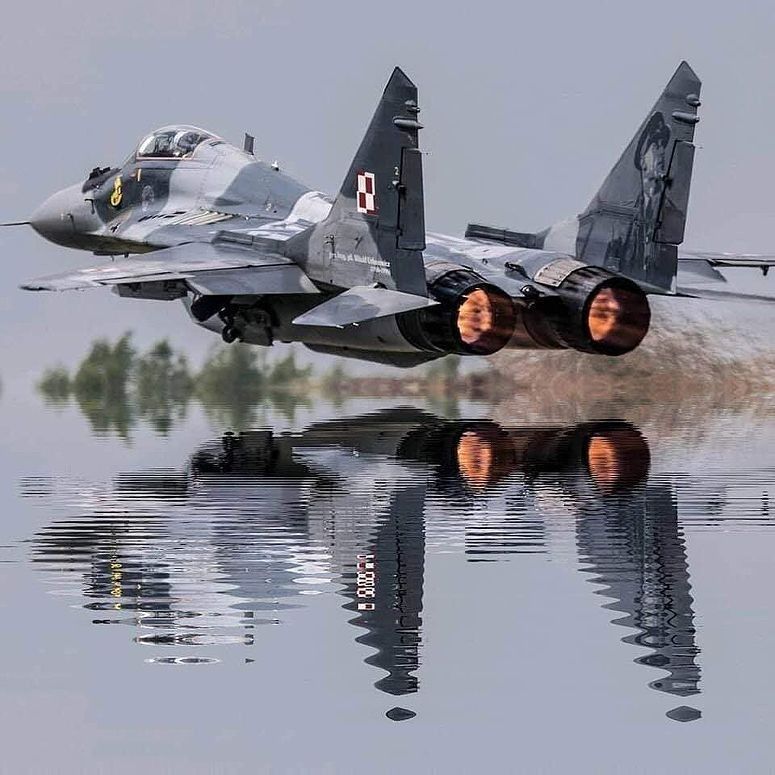
The Science Behind the Shade
The shade of grey used on fighter jets is carefully selected to ensure maximum effectiveness in stealth and weather resistance. Engineers balance the need for camouflage, radar absorption and environmental protection when designing coatings. The right grey helps aircraft complete missions safely and efficiently while reducing threats from detection.
(Photo: Pinterest)




