

What If NASA’s Webb Found a Planet with Two Suns
NASA’s James Webb Space Telescope might make the dream of orbiting two suns long attached to the idea of a planet had been suspended in science fiction. Even before, these called circumstellar worlds and where planets revolve around twin stars present strange daylight rhythms, extreme climates and unique evolutionary opportunities. James Webb’s advanced instruments would be able to detect even the most subtle dips in starlight and infrared heat and are thus the best hope to catch a glimpse of these exotic worlds. These worlds if found it would challenge our views in planetary science as well as stimulate new fantasies about life beyond the Earth.
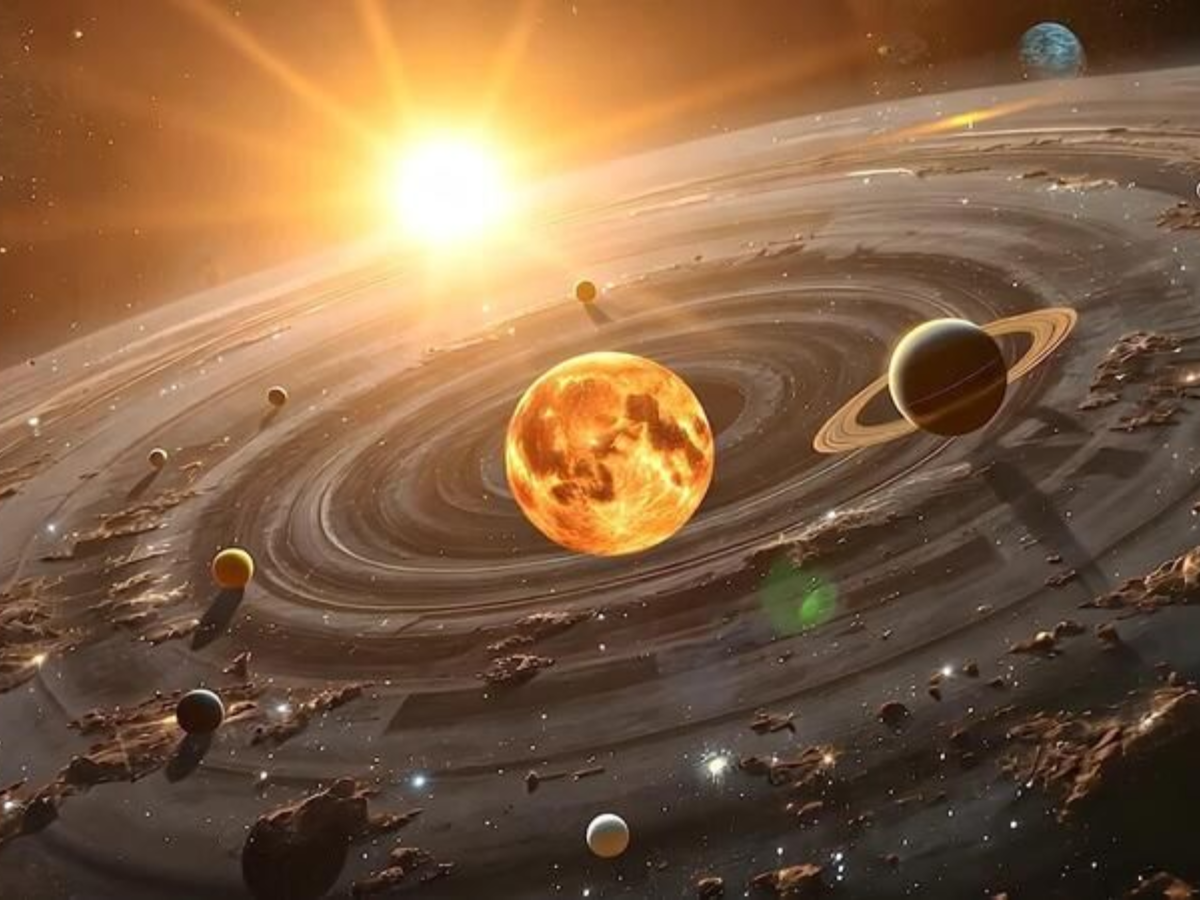
What If Webb Found a Planet with Two Suns?
Planets with two suns, like Tatooine in Star Wars may actually exist. Astronomers call them circumbinary planets. If NASA’s James Webb Telescope confirms such a discovery, it could reshape our understanding of planetary systems and hint at fascinating environments for potential alien life.
(Photo: Pinterest)
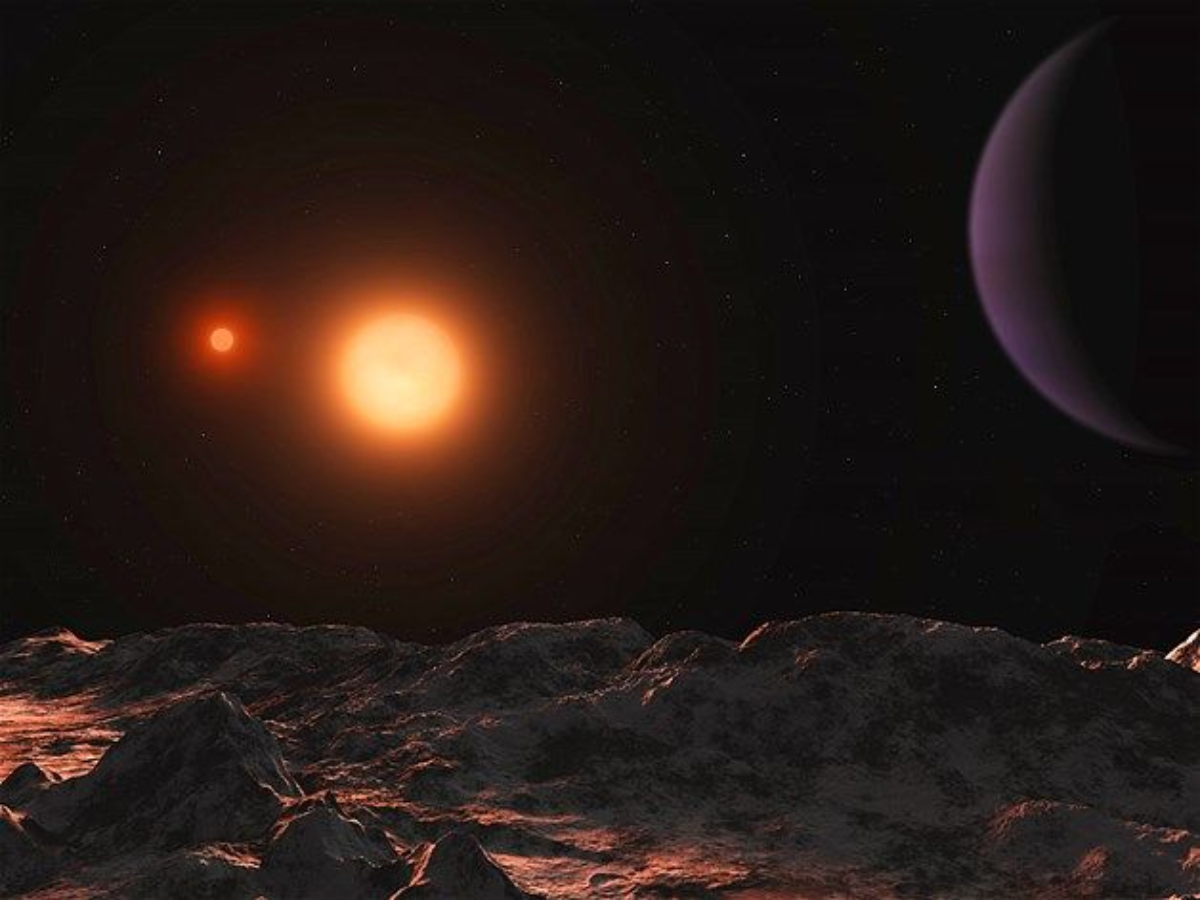
What Are Circumbinary Planets?
Circumbinary planets orbit two suns and balancing complex gravitational pulls. Earth’s steady orbit, these planets experience shifting seasons, irregular eclipses and unusual daylight patterns, making them scientifically intriguing and potentially habitable under the right conditions.
(Photo: Pinterest)

Strange Day and Night Cycles
Imagine two dawns, overlapping sunsets or even days where shadows vanish entirely. A planet orbiting twin stars would have chaotic light patterns, dramatically affecting temperature, seasons and daily life. For potential inhabitants, timekeeping and adaptation would be radically different.
(Photo: Pinterest)
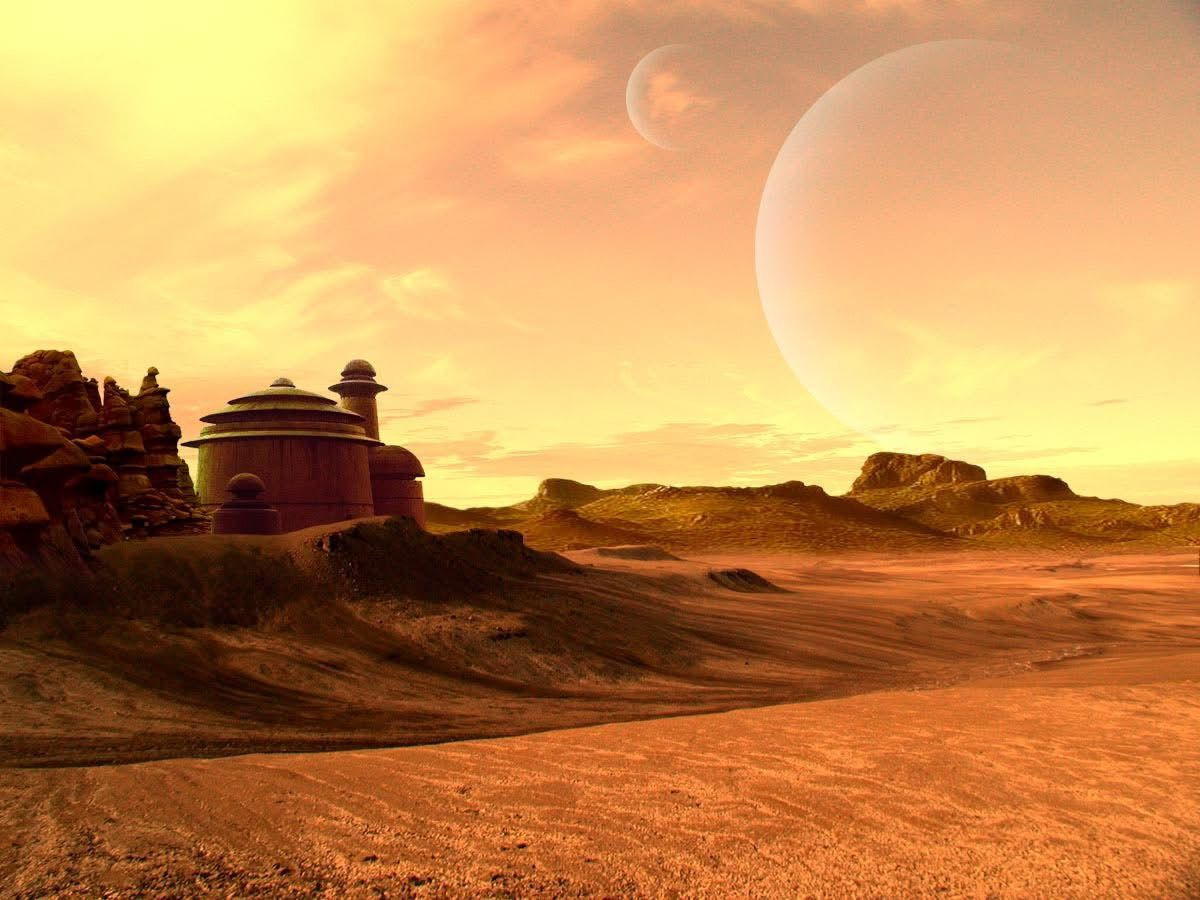
How Two Suns Could Shape Alien Weather
With two suns, a planet could face blistering heat waves or strange cold spells depending on orbital position. Climate models suggest unpredictable weather and making such worlds harsh but scientifically valuable for understanding atmospheric dynamics.
(Photo: Pinterest)
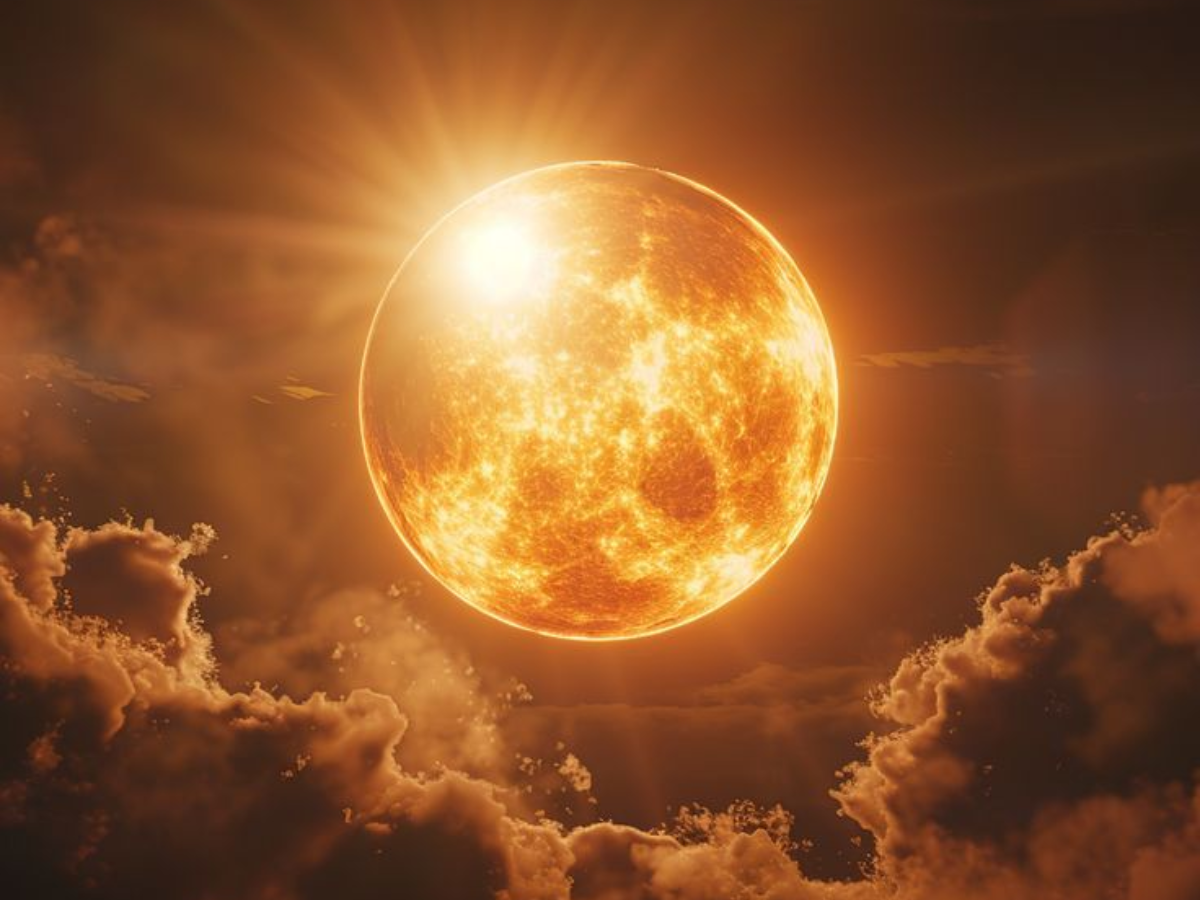
Could Life Under Two Suns Possible?
The presence of two suns could mean excess radiation, challenging survival. Some regions might stay stable enough for life. Alien organisms could evolve to harness dual sunlight, creating ecosystems unlike any on Earth.
(Photo: Pinterest)
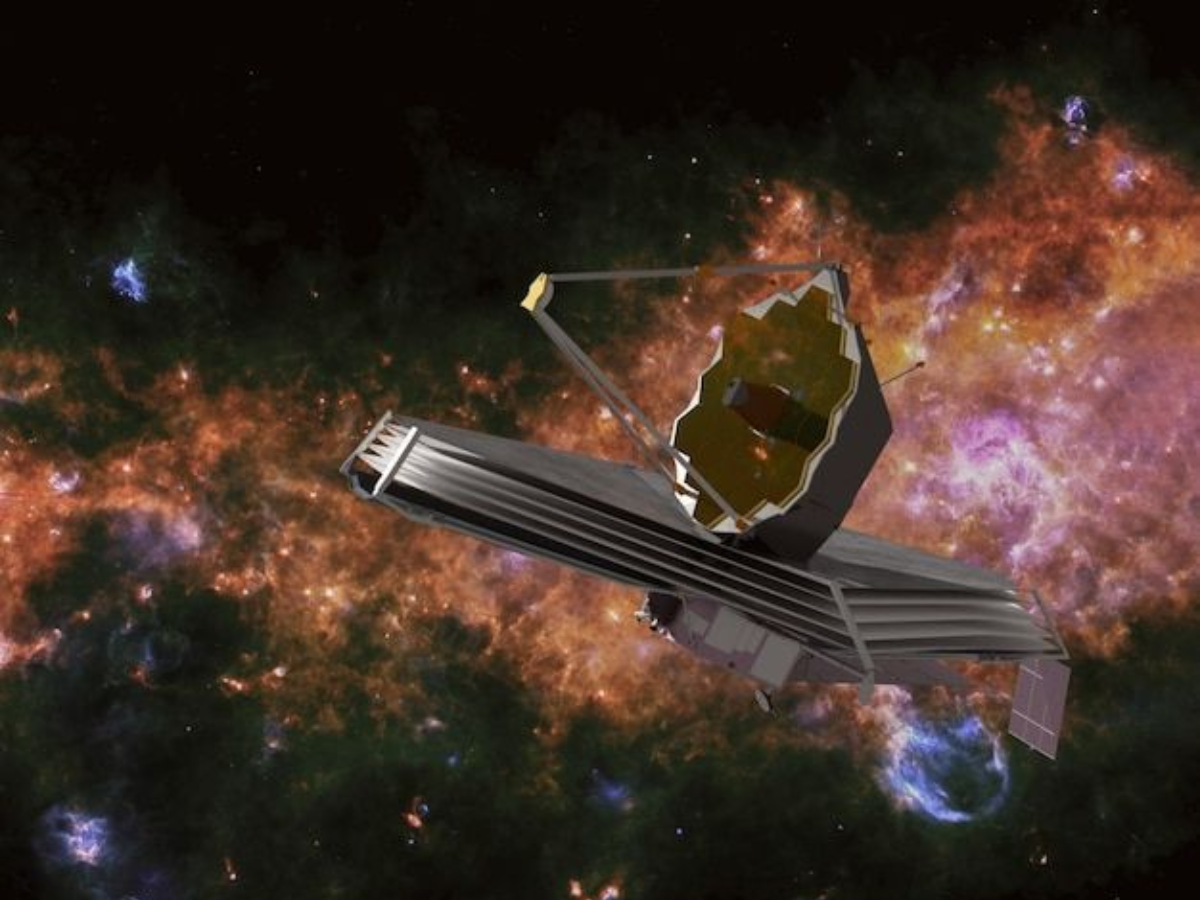
JWST’s Role in Two-Sun Detection
James Webb Telescope can detect unusual brightness dips and infrared heat patterns around binary stars. These signals help scientists confirm whether a circumbinary planet exists and analyze its atmosphere for signs of habitability.
(Photo: Pinterest)
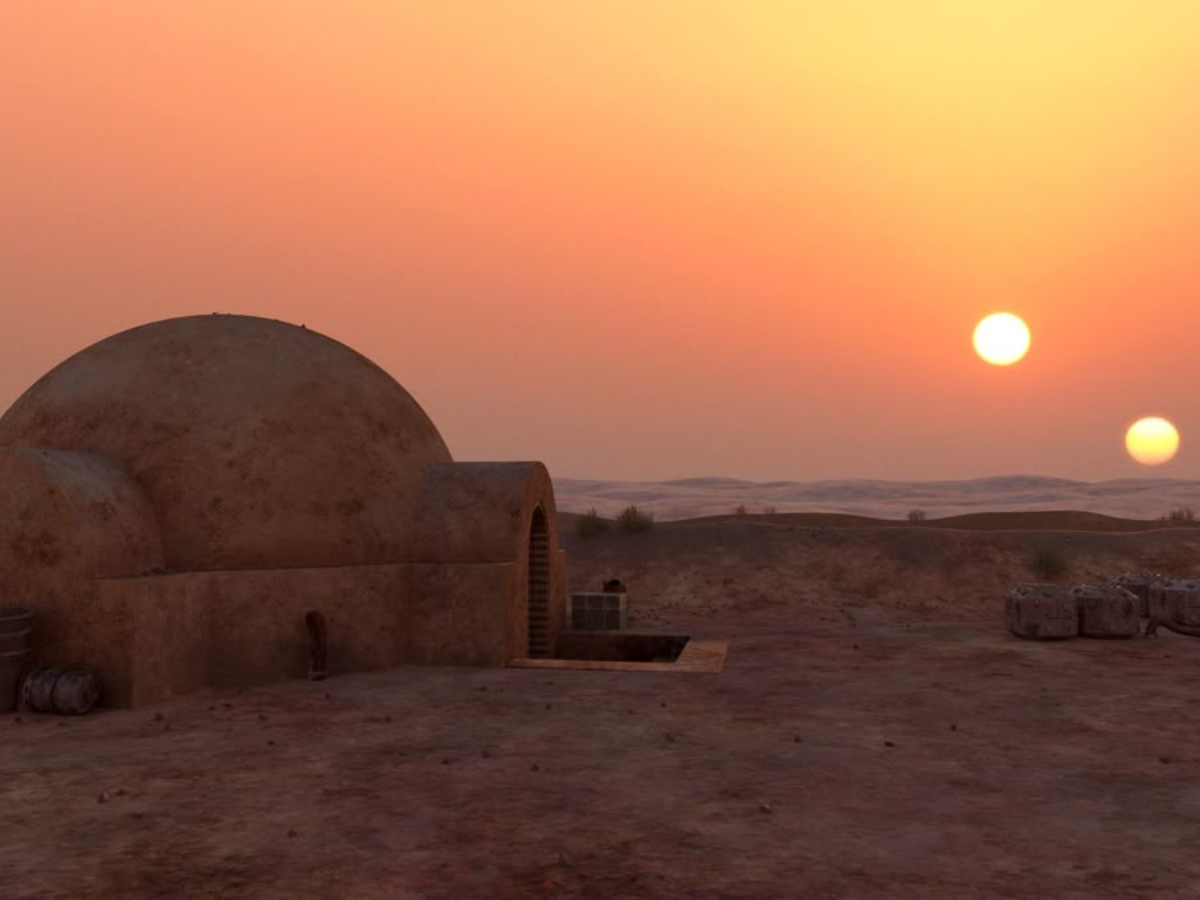
Science Meets Science Fiction
Star Wars popularized twin sun planets through Tatooine. Today, astronomers are proving these worlds are real. James Webb’s potential discoveries could inspire future generations of scientists to dream beyond fiction and explore strange realities.
(Photo: Pinterest)
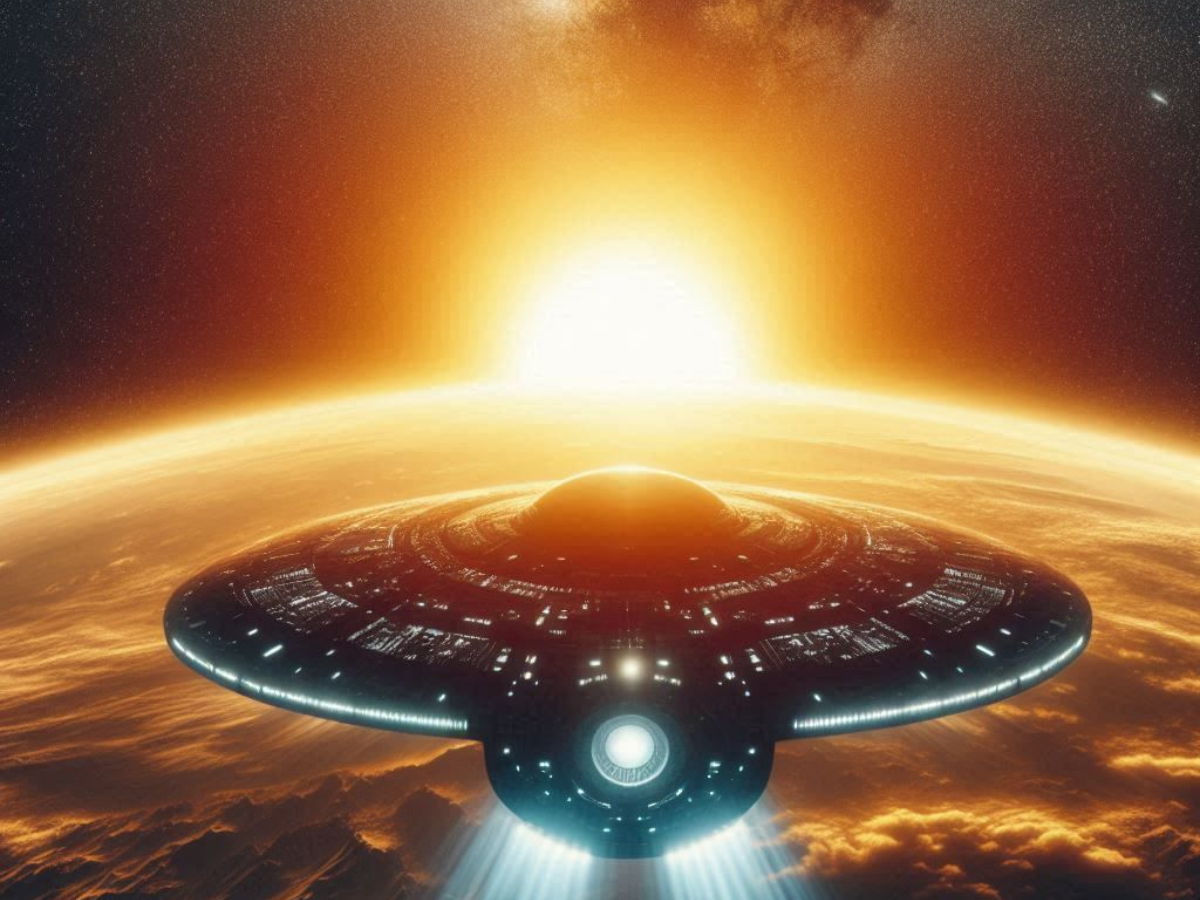
Why It Matters for Humanity
Confirming a two sun planet would be a milestone in astronomy, proving planetary systems can form under extreme conditions. Such discoveries bring us closer to answering humanity’s biggest question Are we alone in the universe?
(Photo: Pinterest)




