

Voyager 3 Could Redefine Humanity’s Place in the Galaxy
Original launch in the year 1977 saw changes in the way space science would ever be conducted; the twin spacecraft Voyager by NASA provided humanity with its first close-ups of Jupiter, Saturn, Uranus and Neptune, before plunging into interstellar space. Actively collecting groundbreaking data on magnetic fields, cosmic radiation and the heliosphere for almost five decades, the Voyagers Golden Records continue to feed humanity’s cultural curiosity about life outside Earth. Scientists are now discussing a proposed mission Voyager 3 which could use state of the art technology to probe the secrets of interstellar space in detail. Such a mission would greatly enhance our knowledge of the galaxy while taking the story of humankind further along its cosmic path.
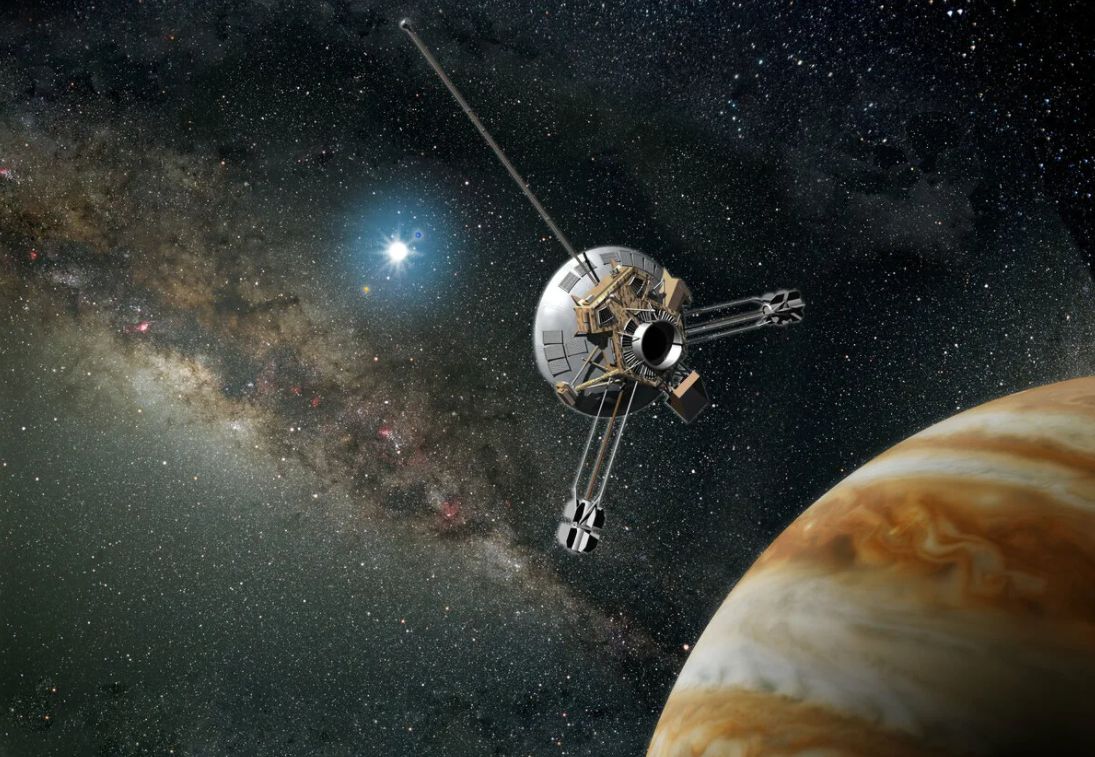
Voyager’s Legacy Still Shapes Space Science
Launched in 1977, the twin Voyager spacecraft offered the first close views of the outer planets before venturing into interstellar space. Their discoveries about cosmic radiation and magnetic fields continue to shape science. Today, scientists dream of a “Voyager 3,” building on this foundation to probe the galaxy’s vast frontier.
(Photo: Pinterest)
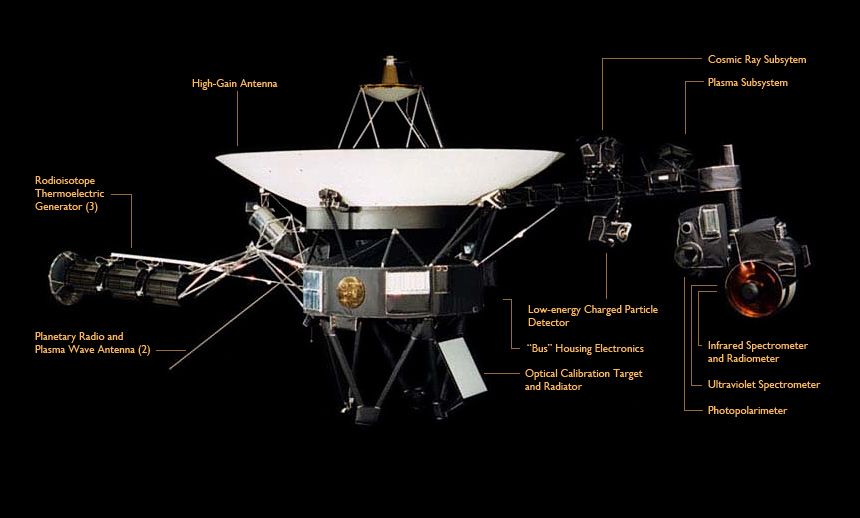
Technology Has Leapt Forward Since 1977
The original Voyagers relied on outdated tools like tape recorders and dim transmitters. Today’s spacecraft could use AI navigation, high-resolution sensors, faster computers and long-lasting nuclear batteries. A Voyager 3 would capture sharper images, map plasma in detail and return richer data than ever before, surpassing the pioneers.
(Photo: Pinterest)
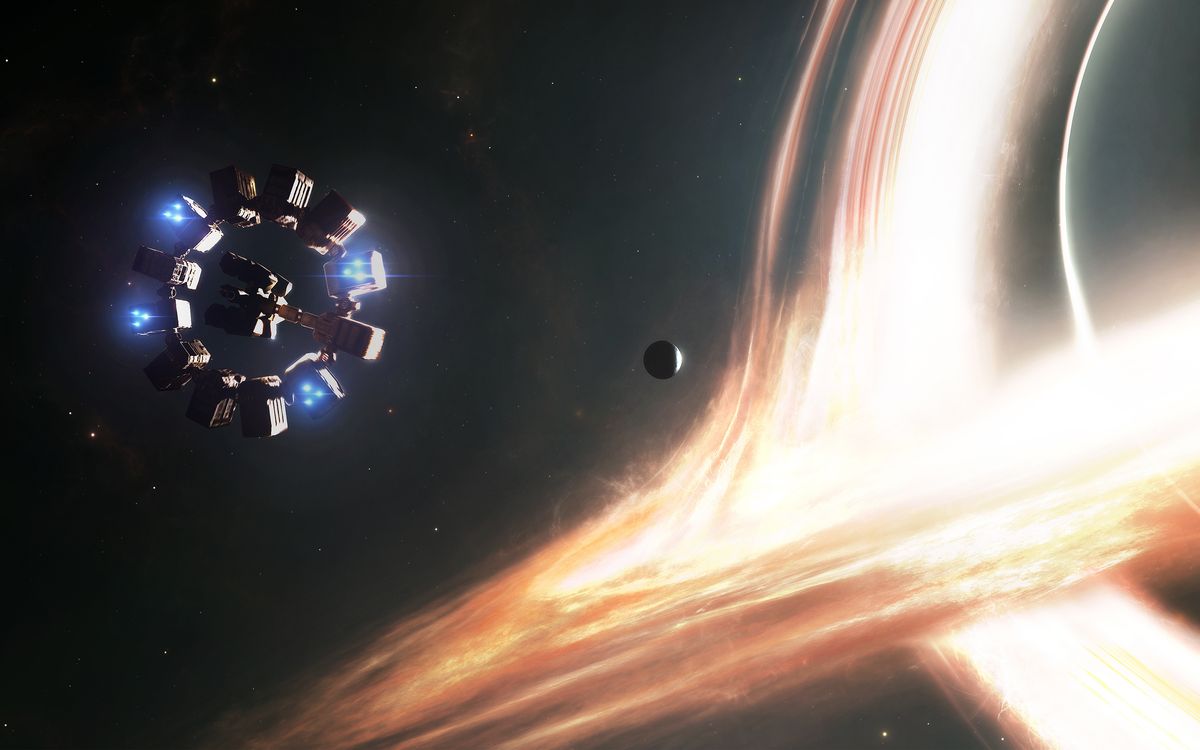
Need to Study the Interstellar Medium
Voyager 1 and 2 sampled interstellar space but lacked the right instruments. A Voyager 3 could study particles, radiation and fields with precision, answering key questions about how the Sun’s heliosphere interacts with galactic space. These measurements are critical to understanding cosmic boundaries and the galaxy’s dynamic environment.
(Photo: Pinterest)
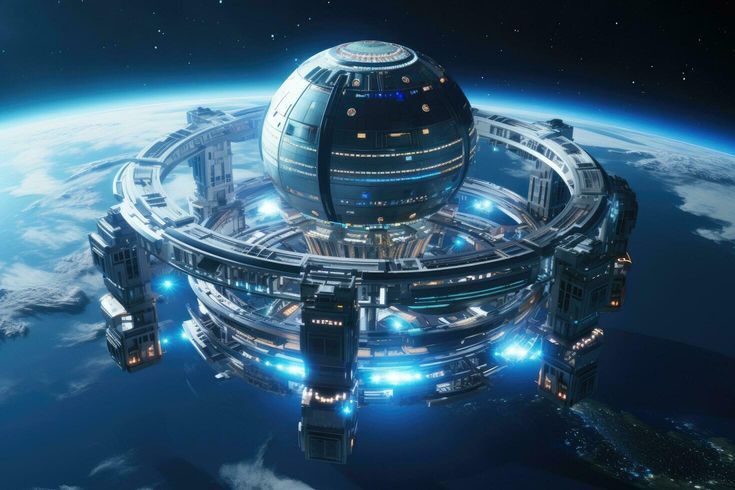
Voyager 3: Pathfinder for Tomorrow’s Space Explorers
A new Voyager wouldn’t just explore science but also prepare humanity for future journeys. If humans or advanced probes ever travel beyond the Solar System, knowing interstellar conditions is vital. Voyager 3 could act as a scout, mapping hazards, radiation and opportunities to support future generations of explorers.
(Photo: Pinterest)
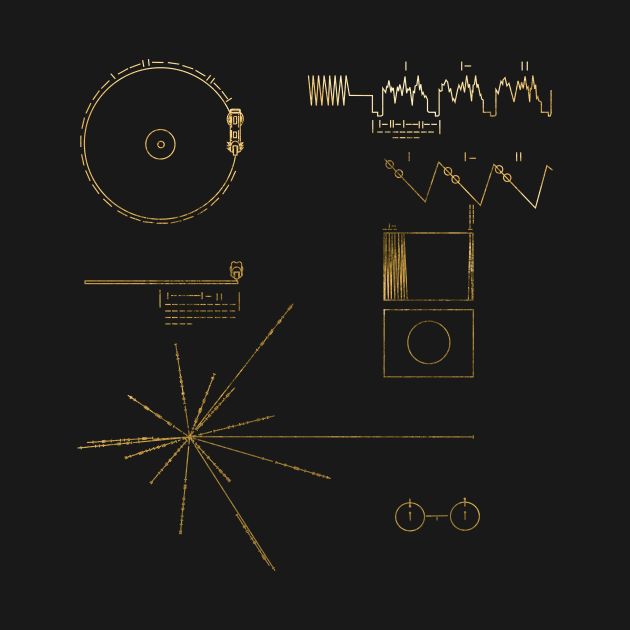
Voyager 3’s Golden Record for Humanity
The original Golden Record symbolised humanity’s culture in 1977. A modern Voyager could carry an updated version digital archives of art, music, science and even AI-driven greetings. This would serve as both a scientific mission and a cultural statement about who we are nearly 50 years later.
(Photo: Pinterest)
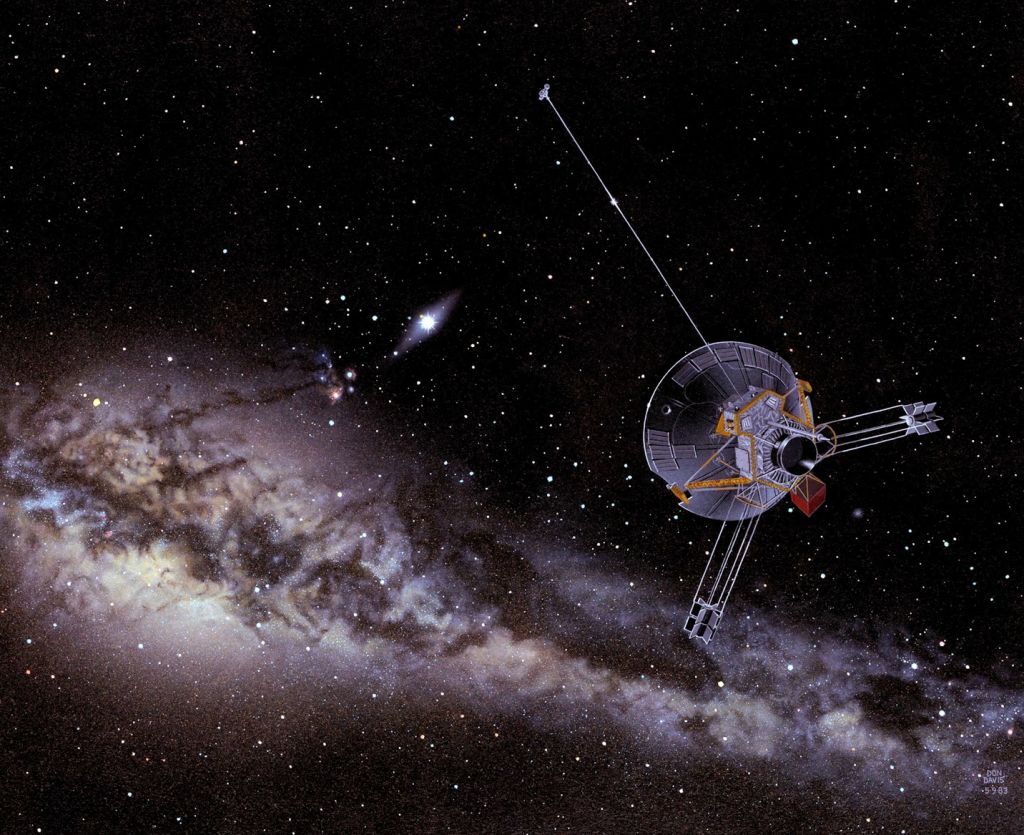
Rare Window for Voyager 3 Is Closing
Scientists stress urgency planetary alignments happen once every 175 years, providing a gravity assist for interstellar missions. Launching Voyager 3 soon would allow it to reach the stars faster. Missing this rare opportunity could delay humanity’s interstellar ambitions for decades and making timing a decisive factor in planning.
(Photo: Pinterest)
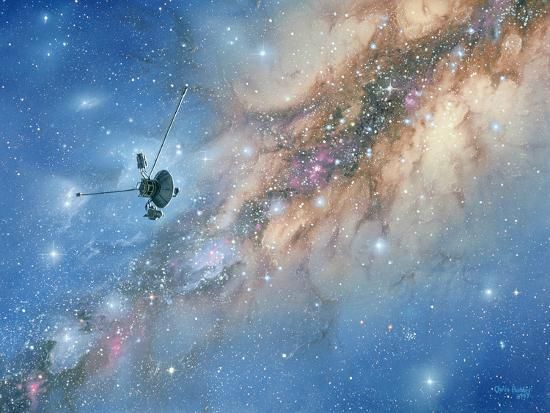
Voyager 3: Next Leap into the Stars
The Voyagers reshaped space exploration, but their mission is incomplete. A Voyager 3 could map the interstellar medium, guide future explorers and carry a cultural message into the galaxy. This next step would cement Voyager’s legacy as humanity’s most enduring journey into the unknown.
(Photo: Pinterest)




