

Voyager 1 Journey to Pass Near Gliese 445 in 40,000 Years
Voyager 1, humanity’s farthest spaced spacecraft, trudges on into interstellar space carrying the Golden Record as a symbol of Earth. In 40,000 years, it will come to within 1.6 light years of Gliese 445, a red dwarf star in the constellation of Camelopardalis. Although the spacecraft will long remain silent, this almost encounter illustrates the vast distances across space and the everlasting mark of human exploration. On its way, Voyager’s instruments have redefined some aspects of cosmic radiation, magnetic fields and heliosphere. Its journey is both scientific legacy and testimony to human aspiration beyond the solar system.
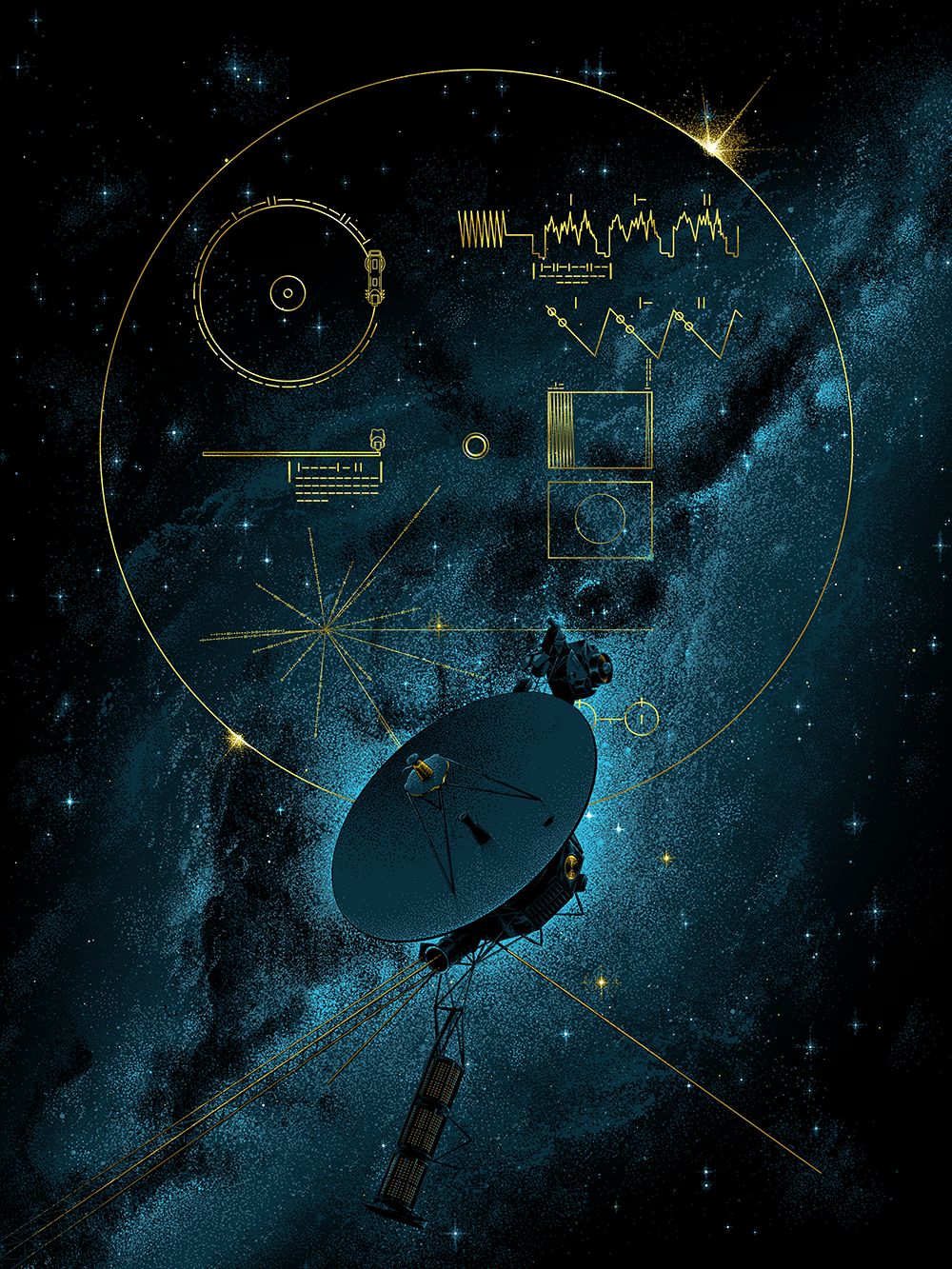
Voyager 1: Humanity’s Far Flung Cosmic Traveler
Voyager 1 has been traveling for over four decades, leaving the solar system and exploring the unknown interstellar medium. Its instruments monitor cosmic radiation and magnetic fields, making it the farthest human-made object and representing humanity’s curiosity and ambition to reach beyond our planetary neighborhood.
(Photo: Pinterest)
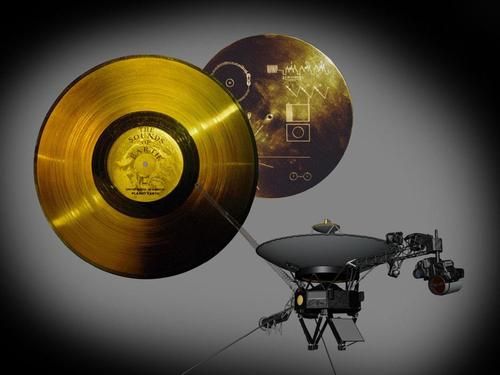
Gliese 445: Voyager’s Future Stellar Encounter
Gliese 445 is a faint red dwarf star about 17.6 light years away. Voyager 1 will approach this star closely in 40,000 years. While it won’t interact physically, this near pass will mark another milestone in humanity’s first deep-space exploration beyond the Sun’s influence.
(Photo: Pinterest)
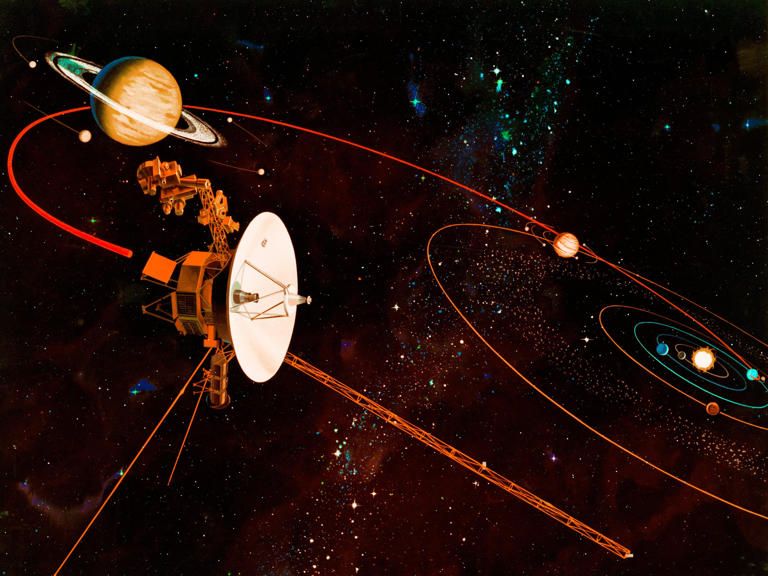
Cosmic Distances Highlight Voyager’s Epic Journey
Space is vast and even the fastest human-made object takes tens of thousands of years to reach the nearest stars. Voyager 1’s future encounter with Gliese 445 highlights the immense scale of the galaxy, giving perspective on the patience and precision needed for interstellar exploration.
(Photo: Pinterest)
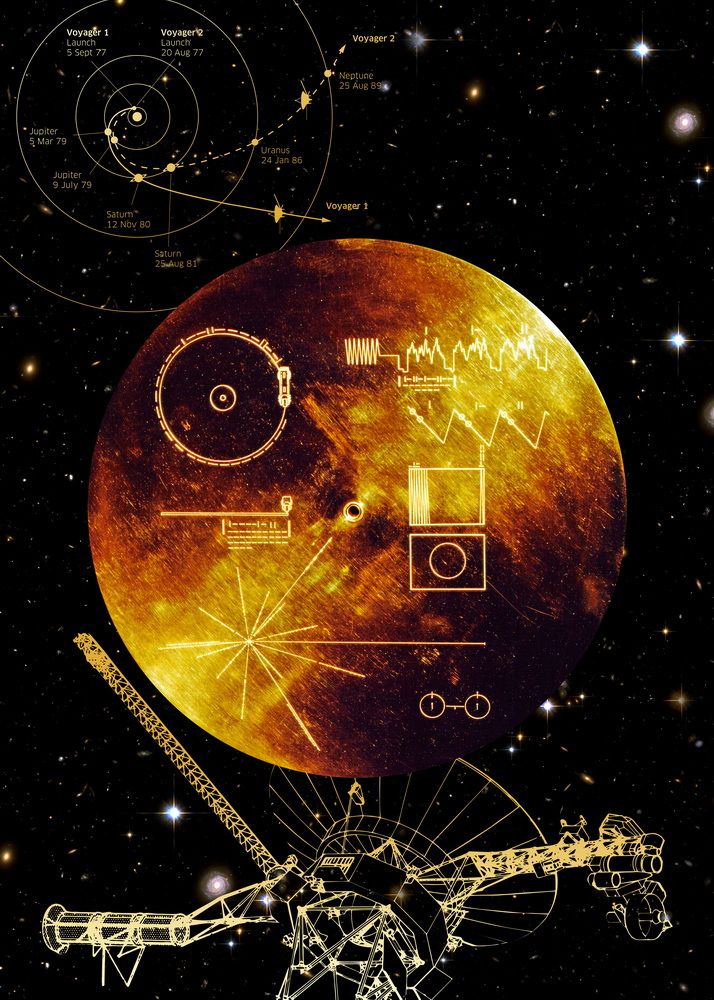
Golden Record: Humanity’s Cosmic Message
Voyager 1 carries the Golden Record a symbolic representation of humanity. It includes images, music, greetings and scientific knowledge. If discovered by future civilizations or intelligent life, it serves as our message across interstellar space, demonstrating human creativity, culture and curiosity on a cosmic scale.
(Photo: Pinterest)
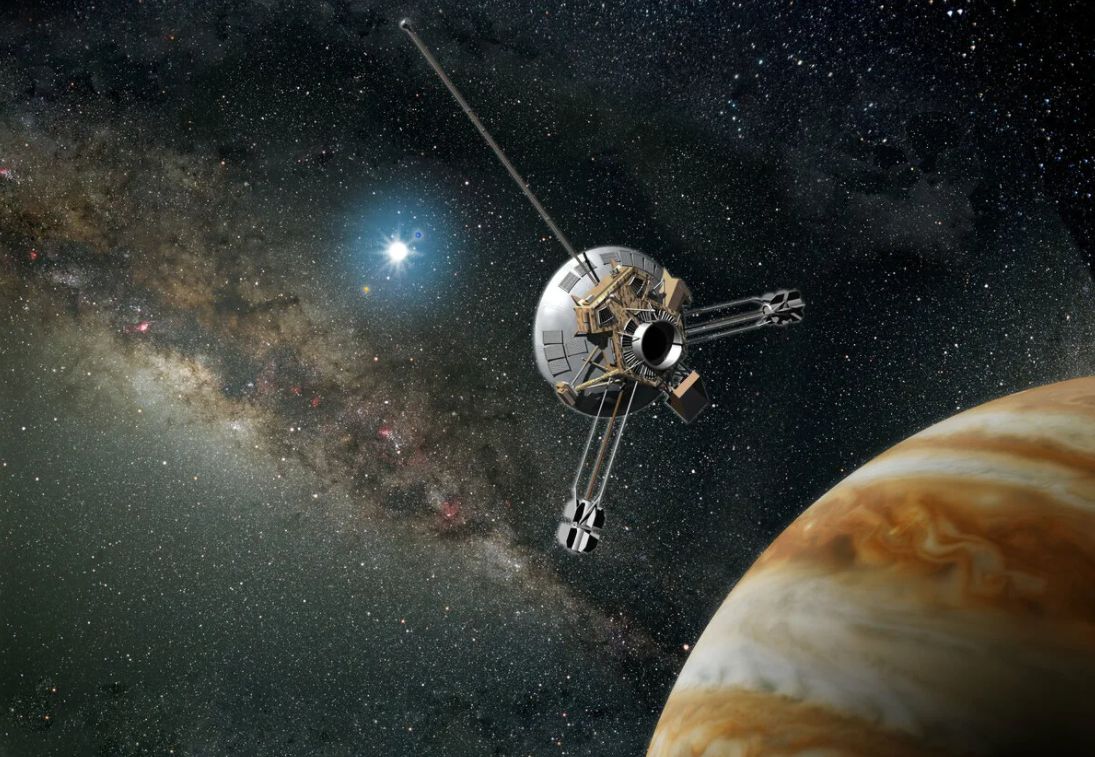
Scientific Discoveries Beyond the Solar System
As Voyager 1 drifts farther, it measures cosmic rays, magnetic fields and interstellar particles. These observations give scientists insight into space beyond the Sun’s influence, helping refine models of the heliosphere, galactic environment and how our solar system interacts with surrounding stars and interstellar matter.
(Photo: Pinterest)
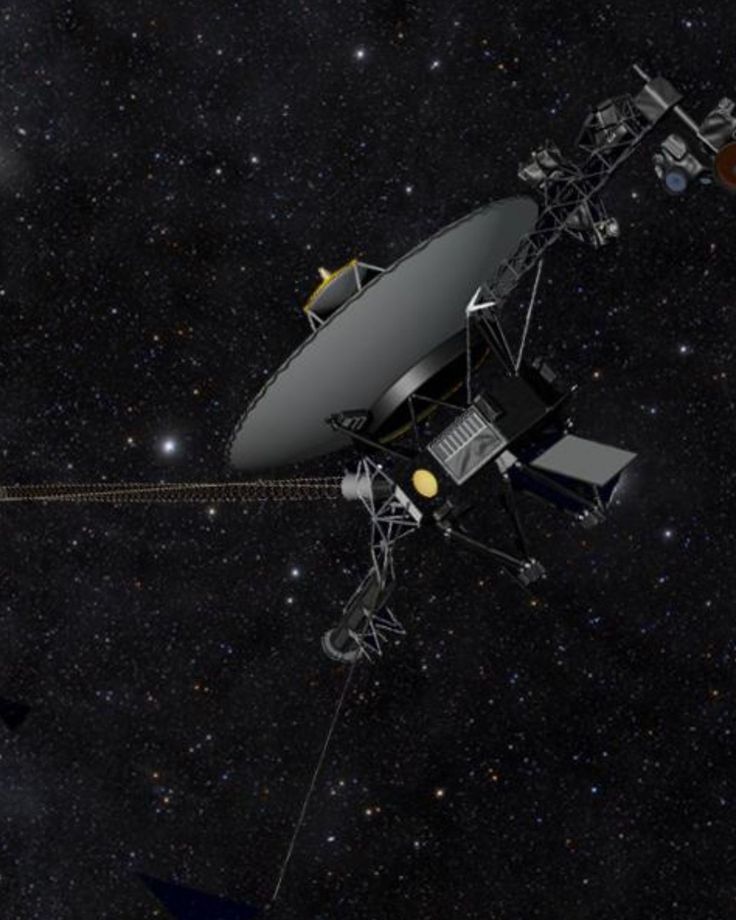
Future Encounter Marks a Milestone in Human Exploration
The approach to Gliese 445 won’t occur for 40,000 years, it signifies humanity’s first step toward reaching other star systems. Voyager 1’s enduring journey serves as a symbol of scientific ambition and the long-term potential for interstellar exploration and discovery.
(Photo: Pinterest)
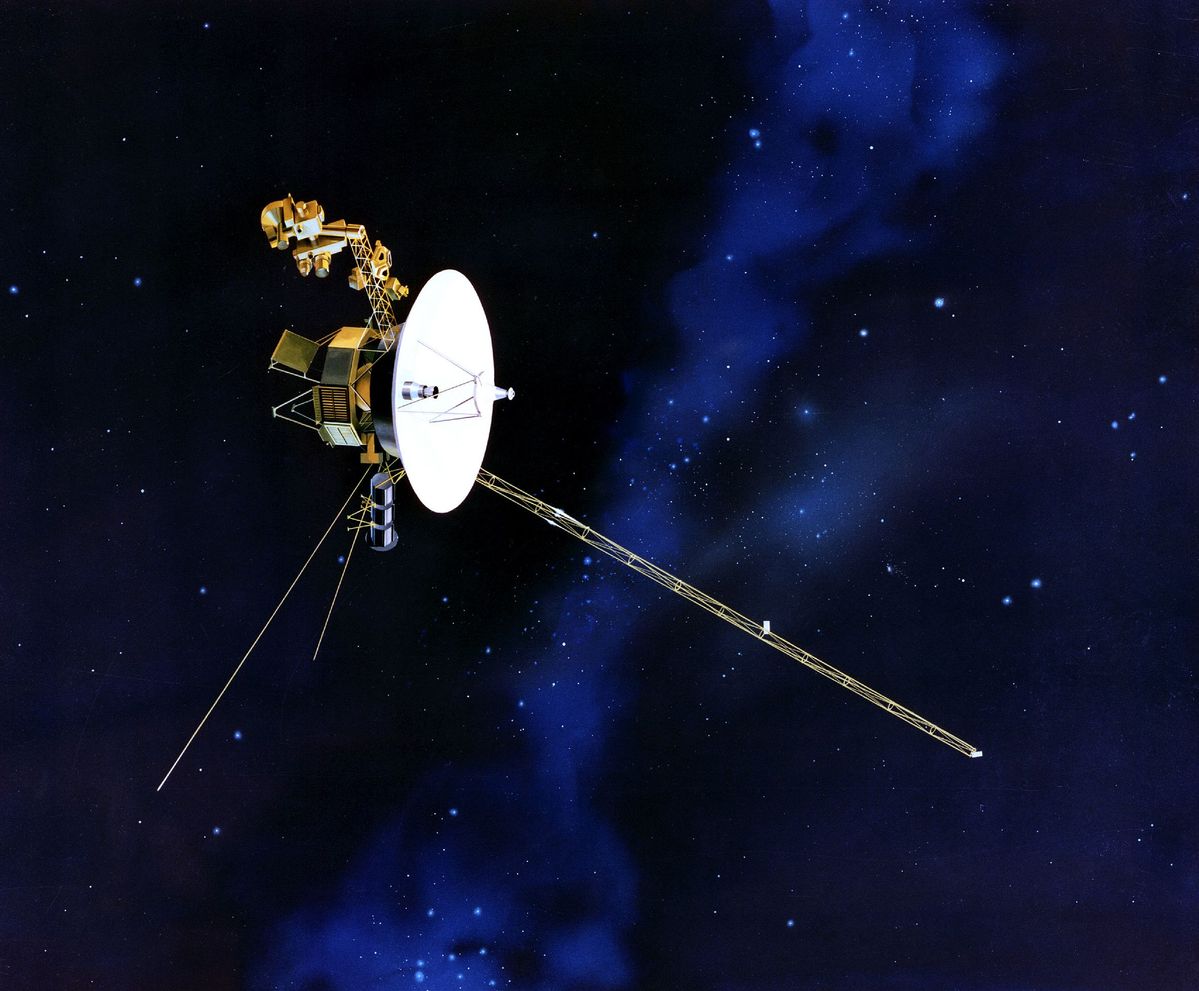
Voyager 1: Humanity’s Eternal Ambassador Among Stars
Though its instruments will eventually fail, Voyager 1 will continue to travel among the stars, a lasting testament to human curiosity. Its journey ensures that a trace of humanity endures in the galaxy, inspiring future generations to continue exploring and reaching beyond our solar neighborhood.
(Photo: Pinterest)




