

Top Mars Locations Scientists Believe Could Reveal Life Evidence
Mars holds secrets about its ancient past and several key sites may reveal whether life ever existed there. Scientists explore regions rich in clay, minerals and water formed structures to uncover signs of habitability. These discoveries could reshape our understanding of life beyond Earth and Mars geological history.
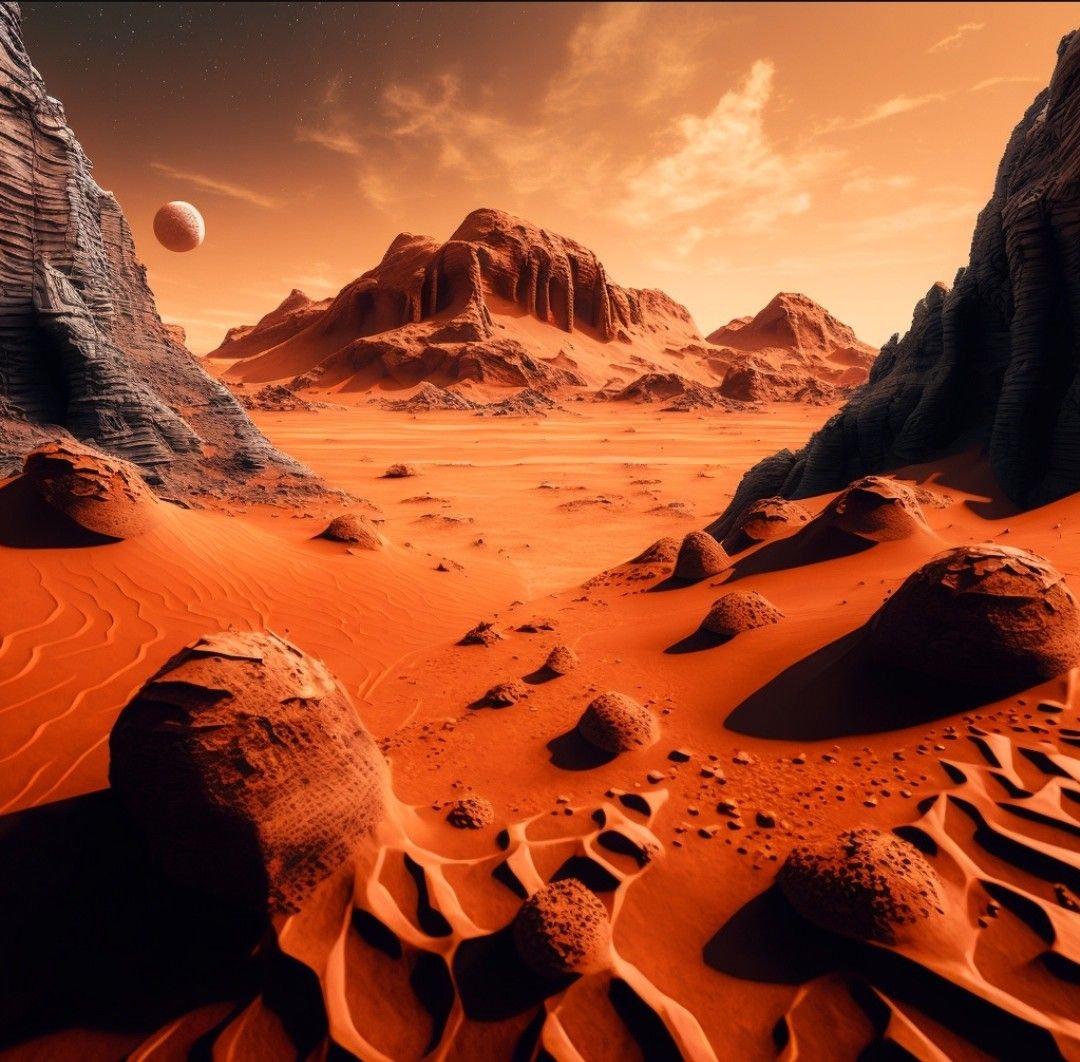
Mars: Exploring Signs of Past Life
Mars has long fascinated scientists searching for signs of life. Certain regions, shaped by water and minerals, hold clues about whether life once thrived. Researchers are sending probes and analyzing data to uncover Mars ancient past and helping us better understand its environment and the possibility of microbial life.
(Photo: Pinterest)
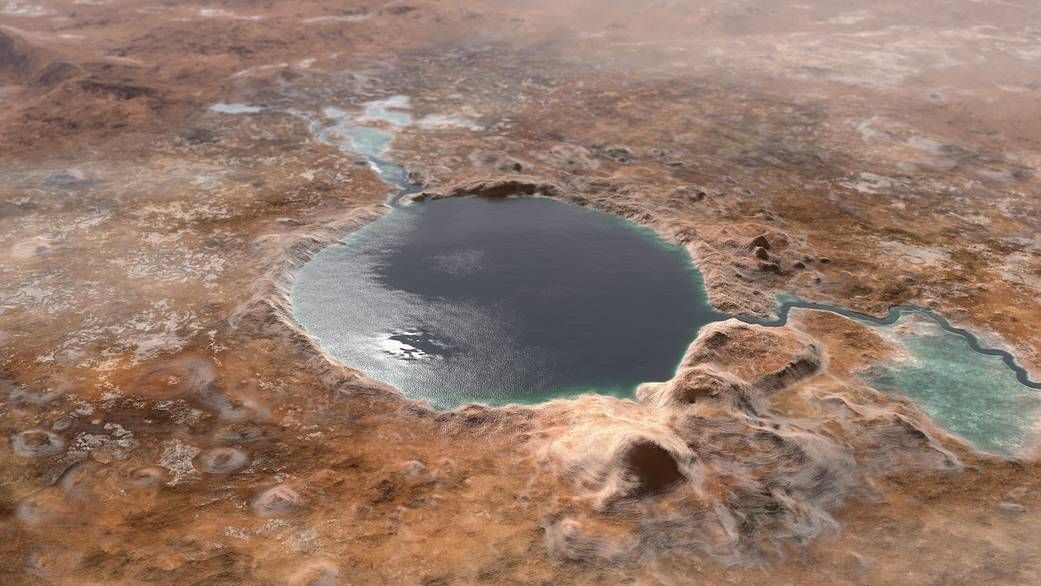
Jezero Crater
The Jezero Crater is a key site where ancient water once pooled. Scientists believe that the clay-rich sediments here preserved organic compounds, offering hints about past life. NASA’s Perseverance rover is actively exploring this region to search for microbial fossils and understand how Mars’ environment evolved.
(Photo: NASA)
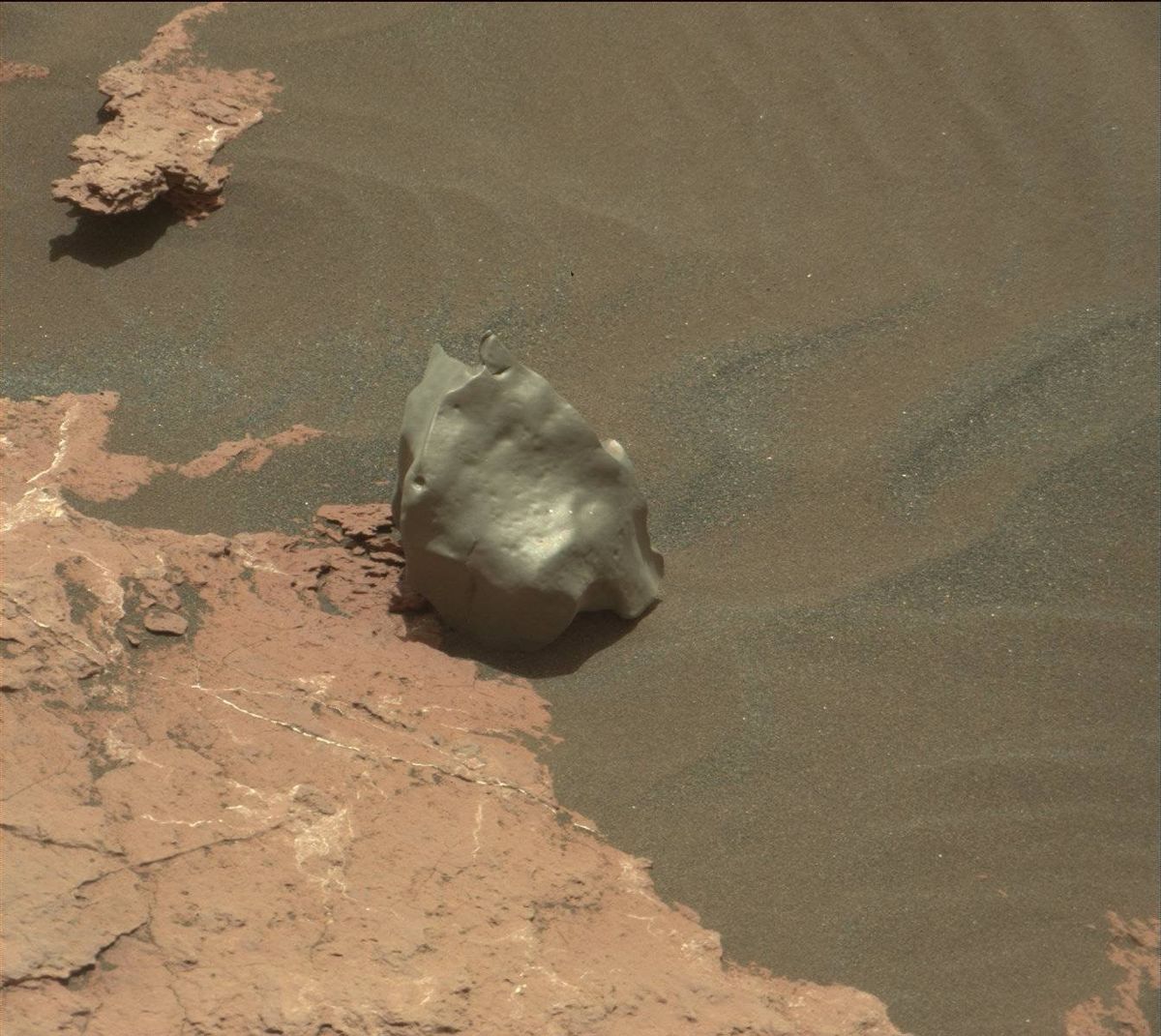
Gale Crater
Gale Crater’s geological features hint at a watery past, with river deltas and sediment deposits visible across its landscape. Scientists believe these formations could have provided the right environment for microbial life. Exploration missions have been studying its layers to uncover more about Mars’ wet history and habitability.
(Photo: NASA)
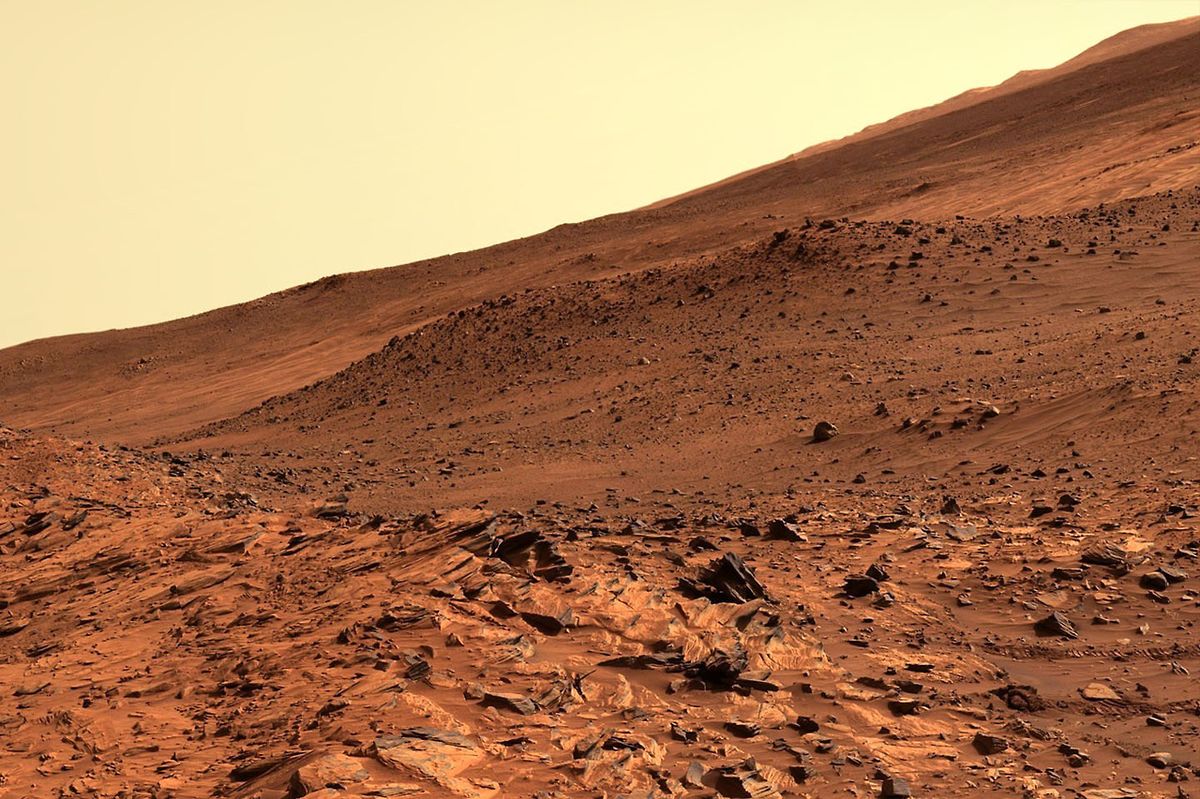
Columbia Hills
The Columbia Hills region is rich in clay and sulfate minerals both indicators that water once shaped the environment. These minerals are crucial for preserving organic material. NASA’s Spirit rover found evidence suggesting that Mars had ancient wet periods, making Columbia Hills an important site for searching for life’s signatures.
(Photo: NASA)
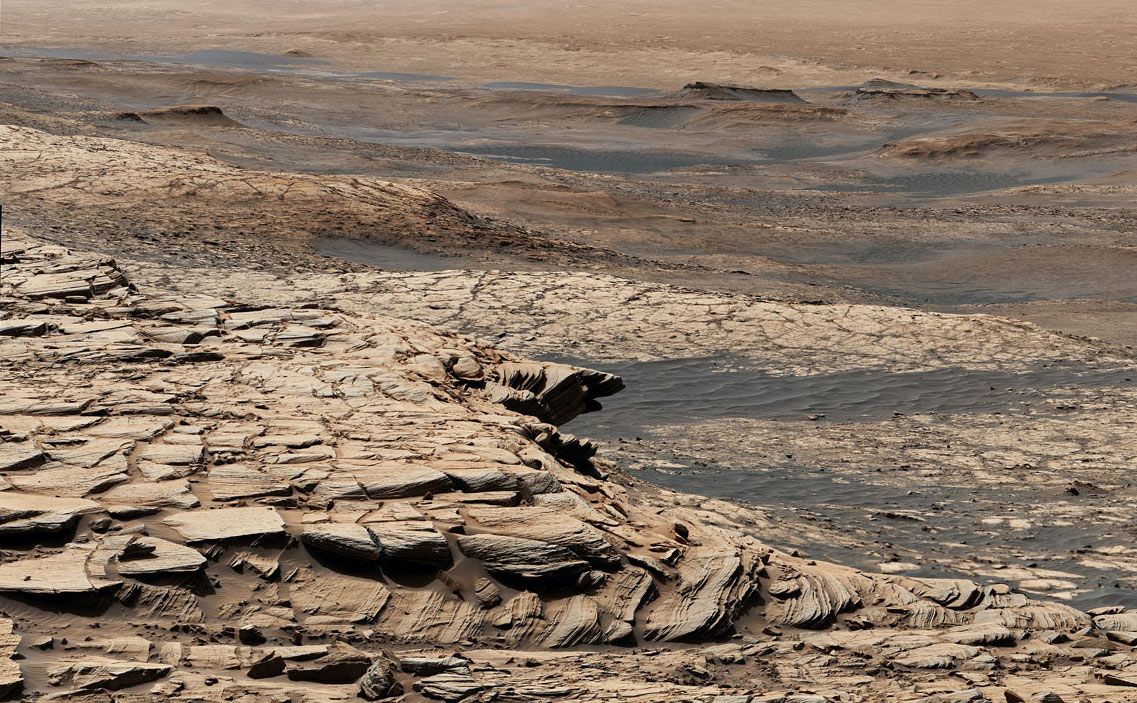
Mawrth Vallis
Mawrth Vallis is among Mars oldest regions, with clay layers revealing a history of water presence. The phyllosilicate minerals found here are known to form in wet condition and making this site ideal for studying Mars early climate and whether it could have sustained life in its past.
(Photo: NASA)
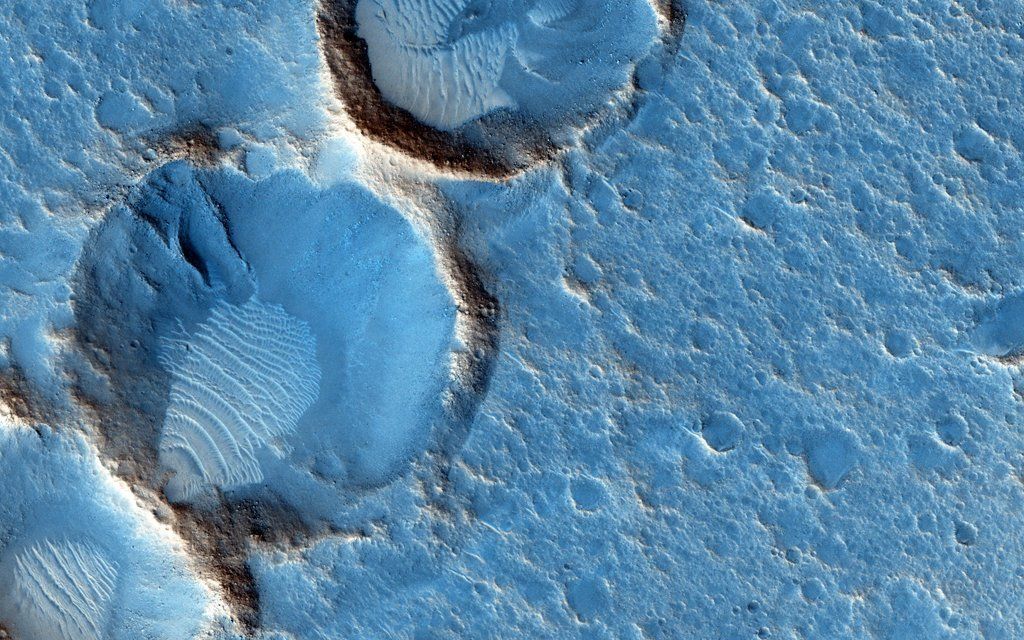
Oxia Planum
Oxia Planum is a prime candidate for Mars exploration, with rich clay deposits formed by past water flows. Its flat terrain is perfect for landing rovers and the mineral composition offers key insights into whether Mars had environments suitable for life billions of years ago.
(Photo: Pinterest)
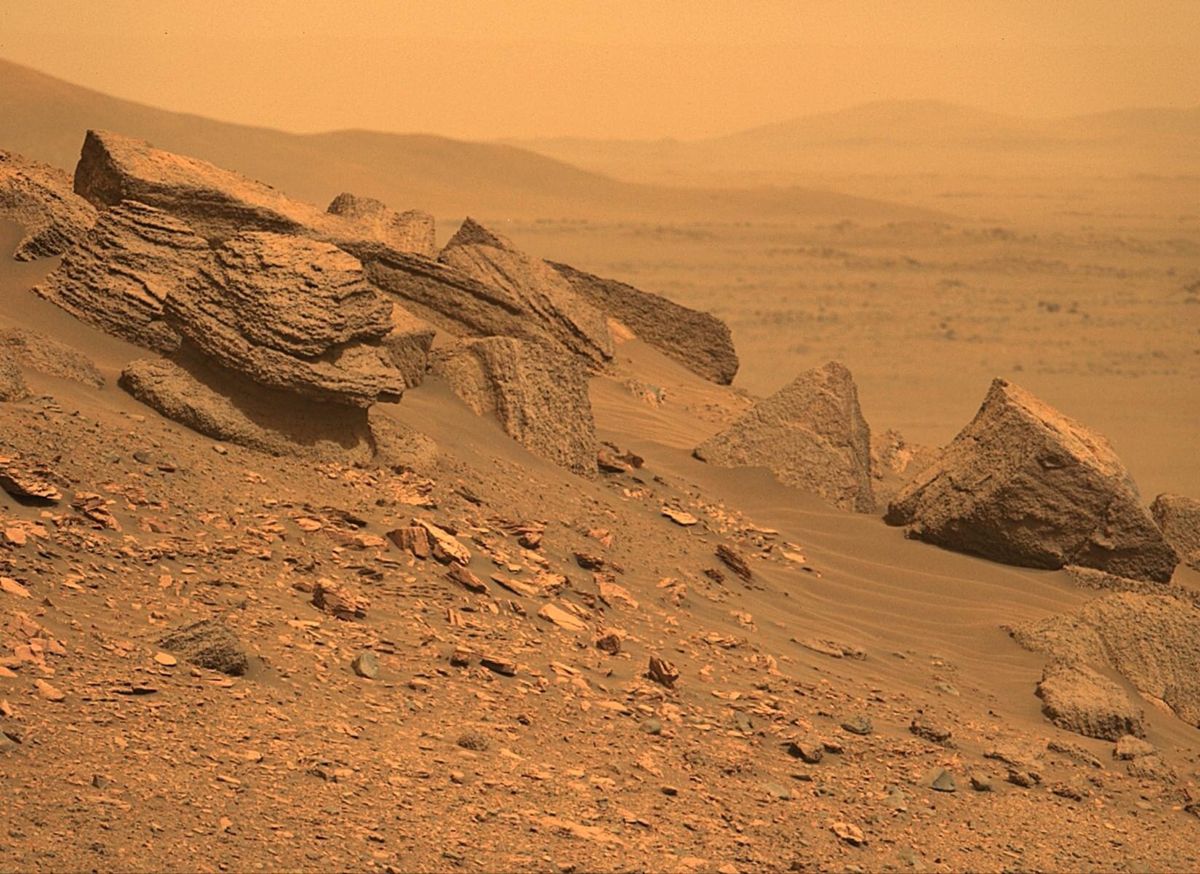
Arabia Terra
Arabia Terra is one of the oldest regions on Mars, with deep valleys and layered rocks that suggest long-standing water activity. Scientists believe that these geological features may hold preserved signs of past life or conditions that supported it, making this area an important target for future missions.
(Photo: NASA)




