

Top countries using ground telescopes to study 3I/ATLAS
The 31/Atlas project unites telescopes worldwide to map galaxies, stars and cosmic phenomena. The Countries like the US, Chile, Europe, Australia and India contribute with cutting-edge ground observatories. This global collaboration is expanding our understanding of the universe and its hidden structures from dark matter to distant galaxies.
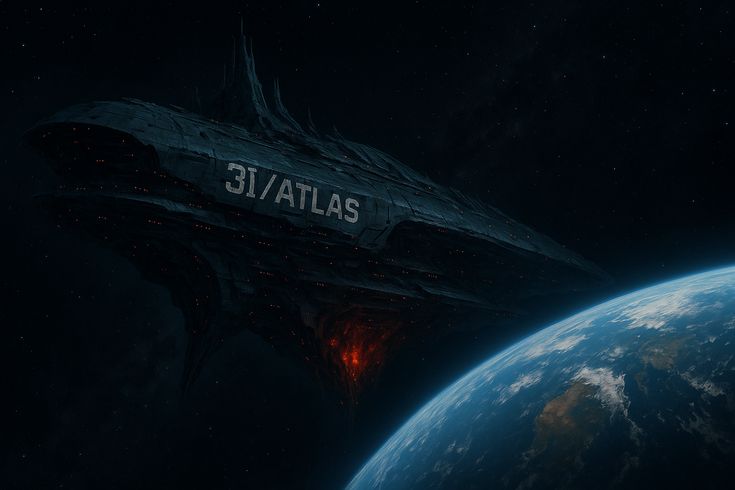
What Is the 31/Atlas
The 31/Atlas is a major astronomical survey using ground-based telescopes to catalogue stars, galaxies and cosmic phenomena. Several countries with advanced observatories contribute data, helping scientists produce detailed scans of the universe. This collaborative effort deepens our understanding of cosmic structures and dark matter distribution.
(Photo: Pinterest)
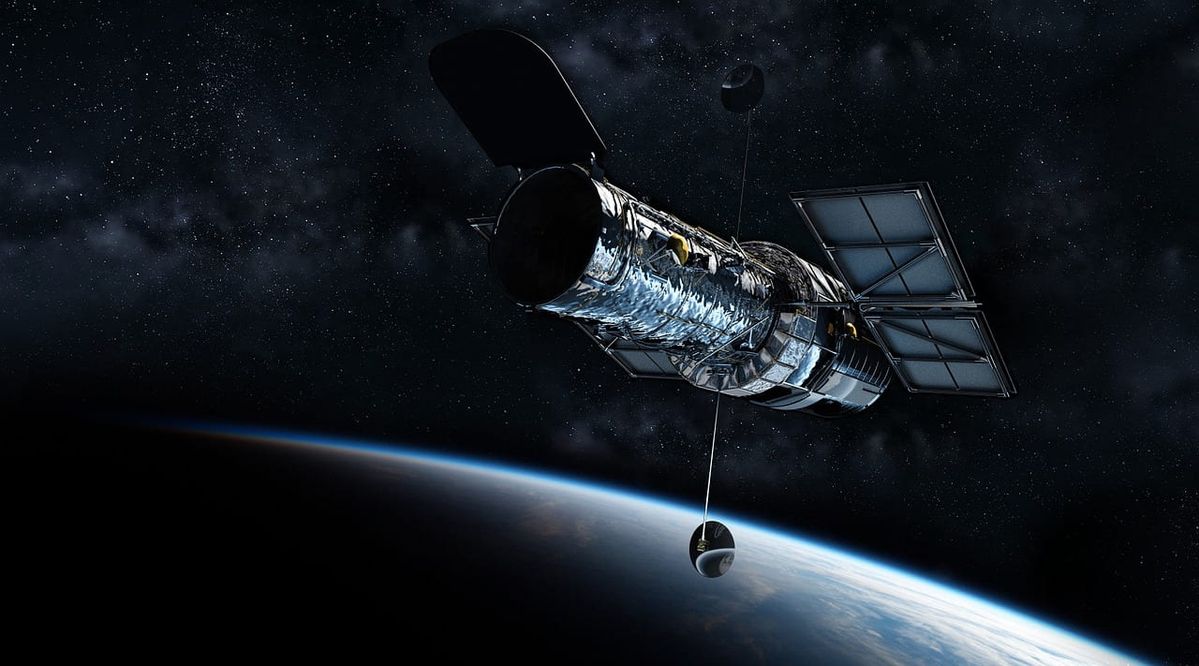
United States
The United States hosts major ground telescopes situated in remote, dry locations to supply essential data for the 31/Atlas. These observatories capture precise imagery of deep sky objects. Their infrastructure and technological edge make them foundational contributors and collaborators in the global mapping project.
(Photo: Pinterest)
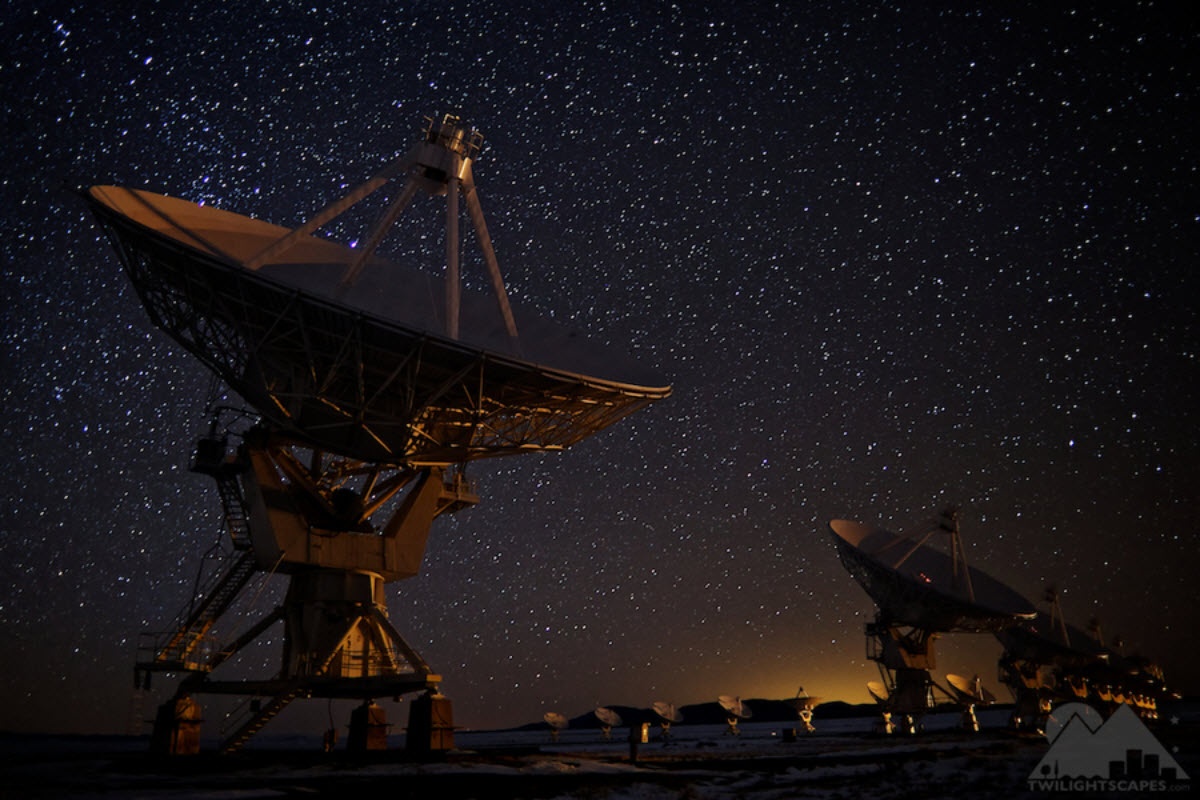
Chile
Chile’s desert and mountain observatories benefit from dry, thin air and minimal light pollution. These factors yield superior clarity in ground telescopic observations for the 31/Atlas. The country provides critical southern hemisphere sky coverage and enabling astronomers to fill observational gaps not visible from northern sites.
(Photo: Pinterest)
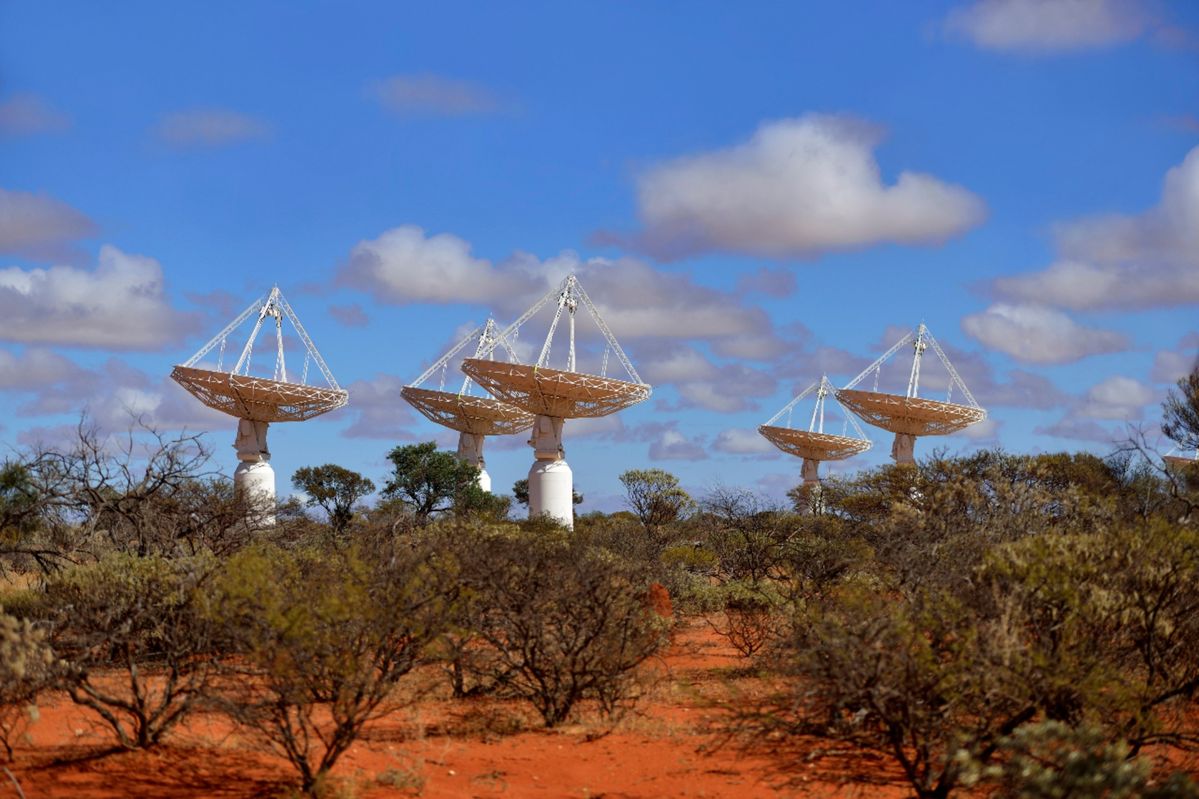
Australia
Australia’s ground telescopes are pivotal for 31/Atlas for mapping regions of the southern sky that other observatories cannot observe with cataloguing of unique nebulae, star clusters and galaxies, Australia helps build a more complete celestial map. Its contribution ensures global balance in sky scanning.
(Photo: Pinterest)
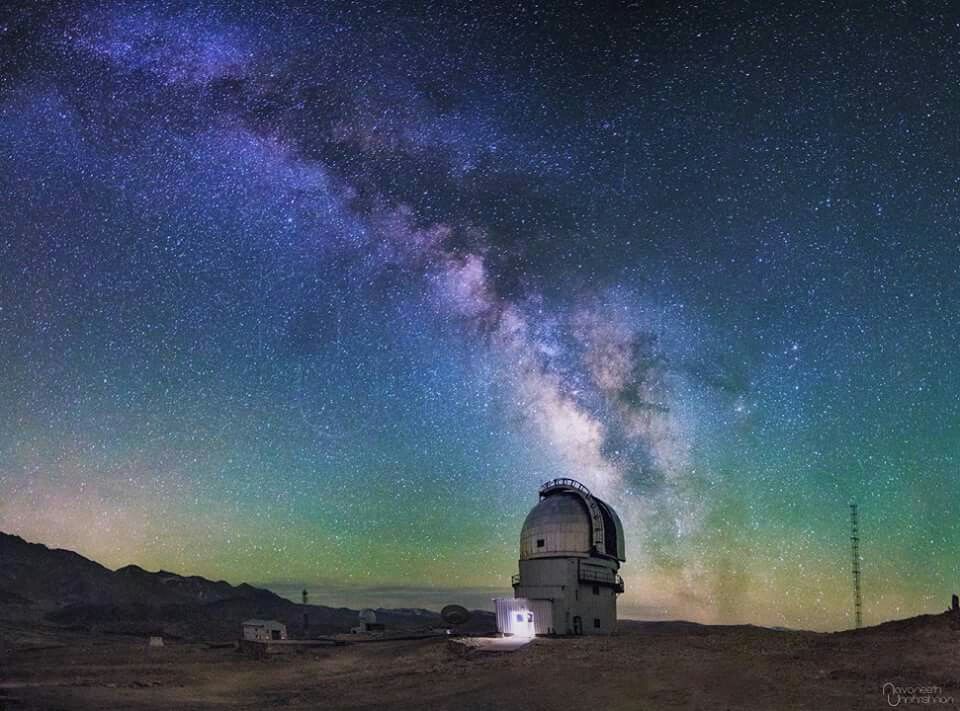
India & Asia
India and other Asian countries are stepping up in the 31/Atlas project. Improved ground telescopes and observatories in India supply data from sky regions unique to Asia’s latitudes. With growing investments in infrastructure, Asia is poised to be a major contributor to mapping the night sky for generations.
(Photo: Pinterest)
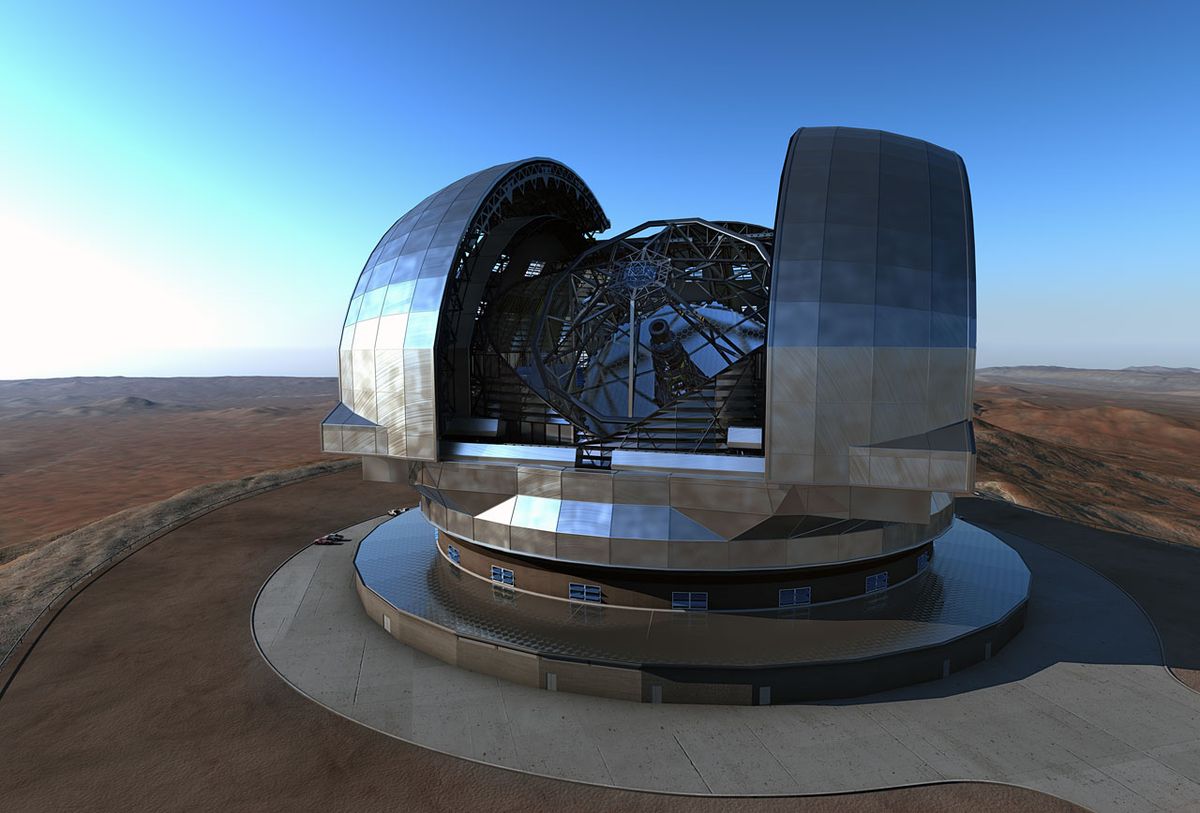
Europe
European observatories particularly in Spain, Canary Islands and southern Europe, contribute high-quality observations for the 31/Atlas. Their geographic positions offer essential angular coverag using high precision instruments, they monitor cosmic phenomena, variable stars and galaxy distribution to augment data from other continents.
(Photo: Pinterest)




