

Top 7 Countries Dominating the Satellite Race in Space 2025
Satellites play a crucial role in modern communication, navigation, defense and scientific research. These top 7 countries lead the space race with advanced satellite fleets. Their innovations not only support national interests but also contribute to global progress in weather forecasting, disaster response and space exploration efforts.
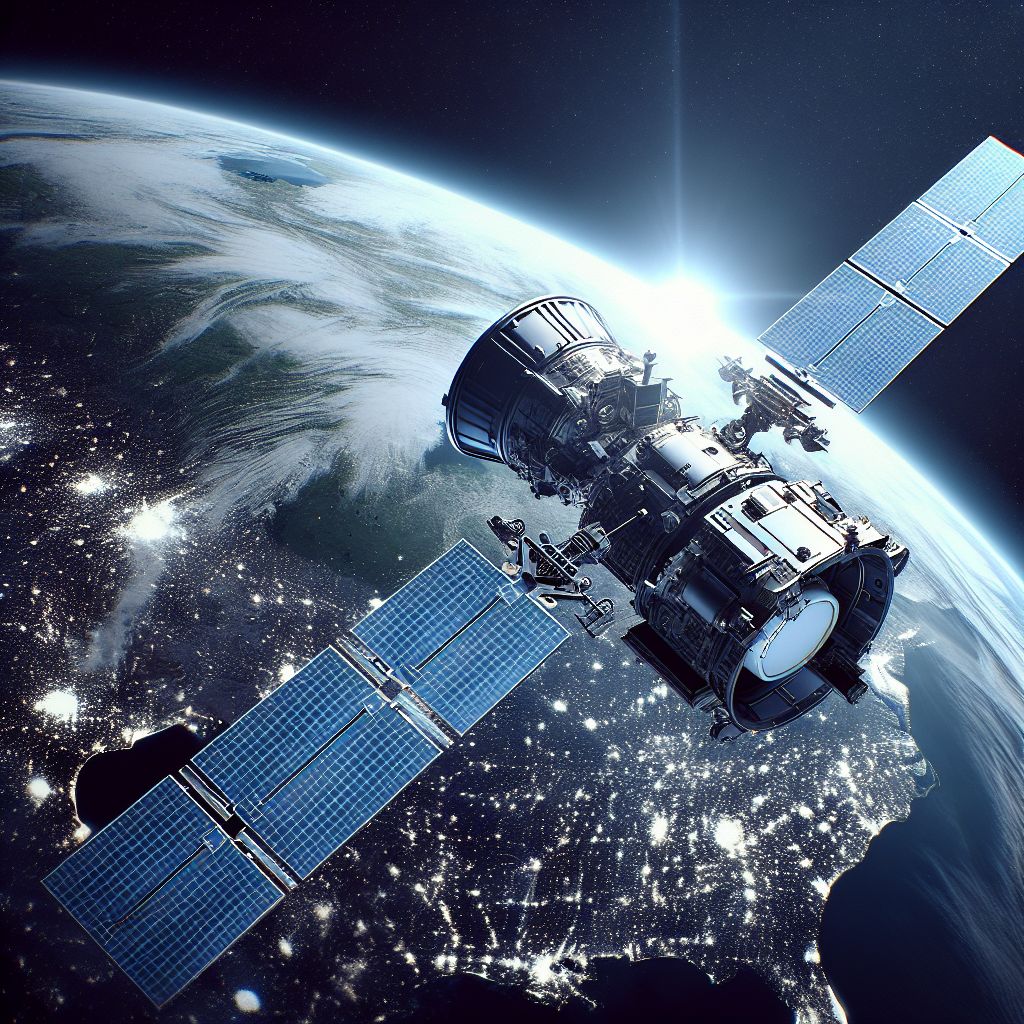
United States
The United States is at the forefront of space activity, with over 3,000 satellites. These assets support everything from GPS to climate research and military operations. Private companies also contribute to this dominance and making the US a space leader in technology and orbital management.
(Photo: Pinterest)
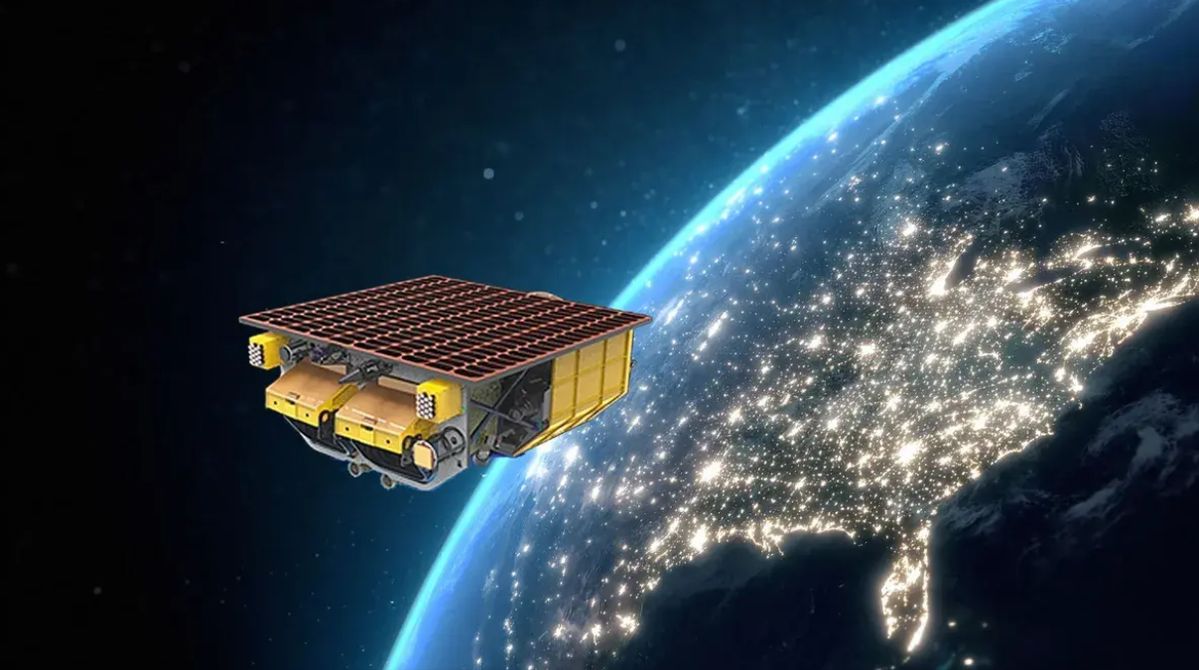
China
China has dramatically increased its satellite presence, surpassing 400 units. These support Beidou navigation systems, environmental monitoring and military operations. With ambitious space programs China’s growing fleet strengthens its strategic and scientific capabilities while competing with other space powers.
(Photo: Pinterest)
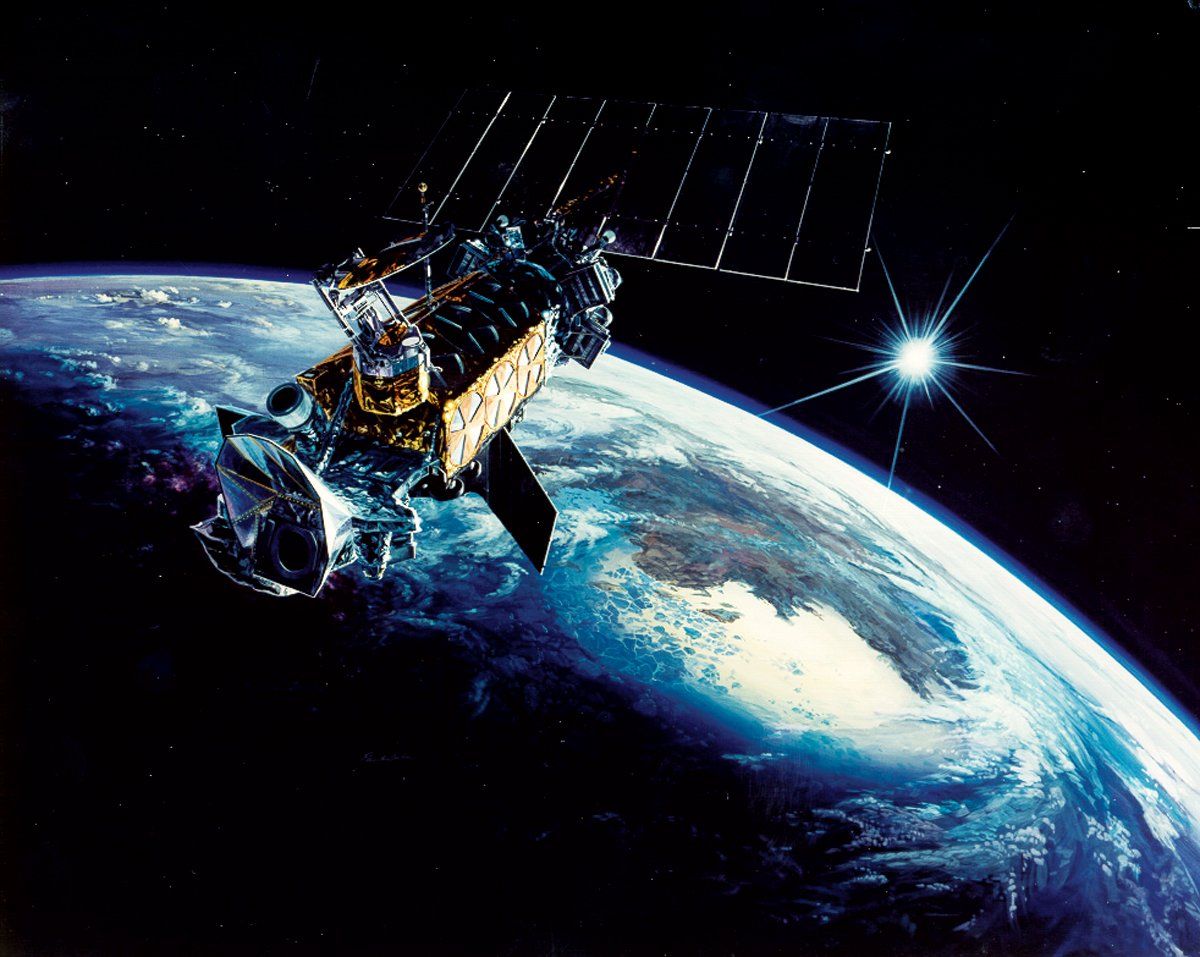
Russia
Russia maintains a significant satellite network, rooted in decades of space exploration. With over 150 satellites it provides communication, weather monitoring and defense services. Russia’s space program remains vital for global security and scientific advancements.
(Photo: Pinterest)
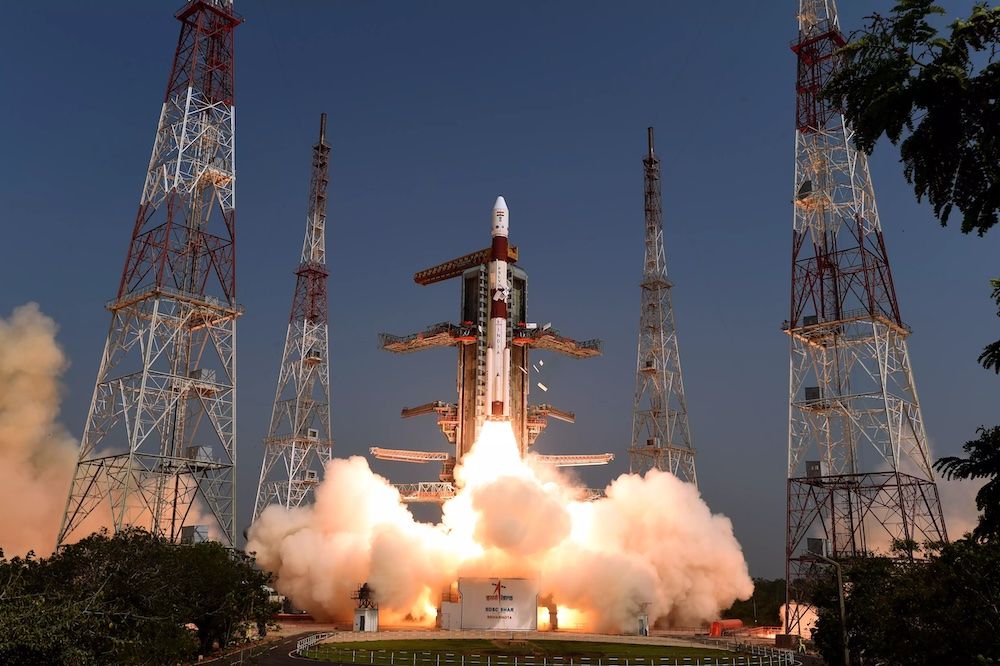
India
India’s space agency ISRO, has launched over 80 satellites supporting telecommunication, navigation and disaster management. With growing investments, India aims to expand its presence and contribute to global space efforts, becoming a major player in space research and commercial satellite services.
(Photo: Pinterest)
United Kingdom
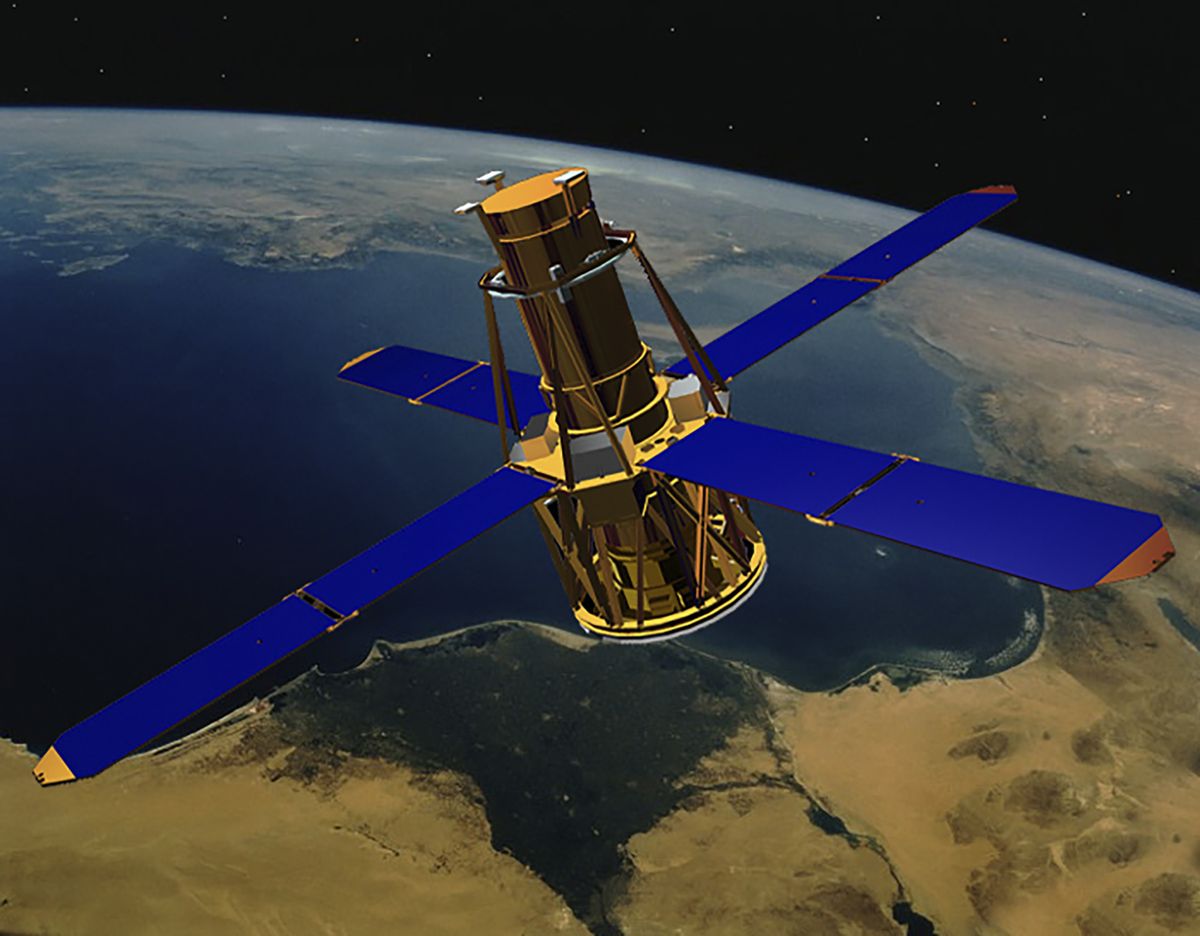
The United Kingdom’s satellite fleet supports communications, national security and climate research. With over 50 satellites the UK is expanding its space infrastructure and partnering with other nations to enhance global connectivity and scientific discovery.
(Photo: Pinterest)
France
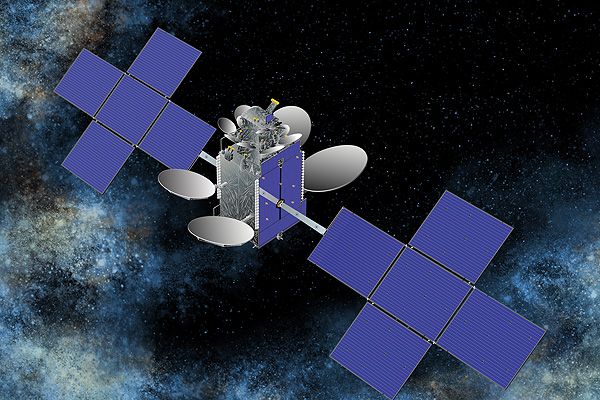
France’s space program includes approximately 40 satellites supporting environmental studies, military surveillance and scientific missions. Working closely with European partners and France contributes to global space research and technological advancements in communication and data collection.
(Photo: Pinterest)
Japan
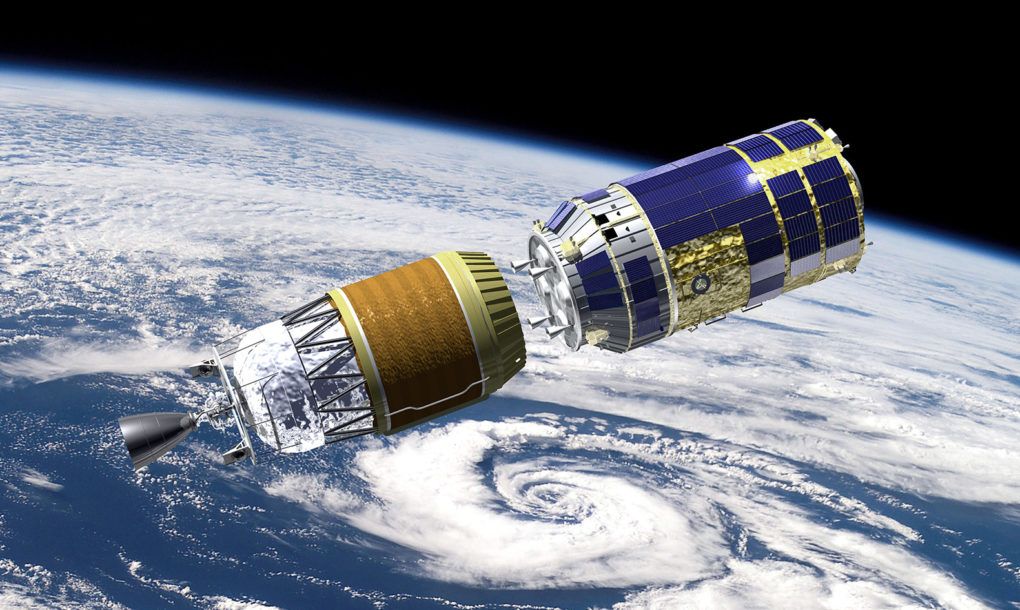
Japan operates more than 30 satellites used for weather prediction, disaster management and communication. Its advancements strengthen global space collaborations and highlight the country’s commitment to using space technology for environmental and humanitarian benefits.
(Photo: Pinterest)




