

NASA’s Juno Unveils Jupiter’s Hidden Depths & Fuzzy Inner Core
NASA’s Juno spacecraft orbiting Jupiter since 2016 and is changing our understanding about the largest planet of solar system, Jupiter. Juno has probed the almost hermetically sealed cloud layers to unmask giant polar cyclones, has revealed the depth of the Great Red Spot and found that the core of Jupiter is much unexpected because it is fuzzy and not solid. These findings have been making long models of planetary formation out of date and are suggesting some stormy history of cosmic collisions. Juno is changing our entire understanding of Jupiter, while at the same time its discovery will influence planetary science on a wider platform because it offers new clues concerning how gas giants and distant exoplanets have evolved across the universe.
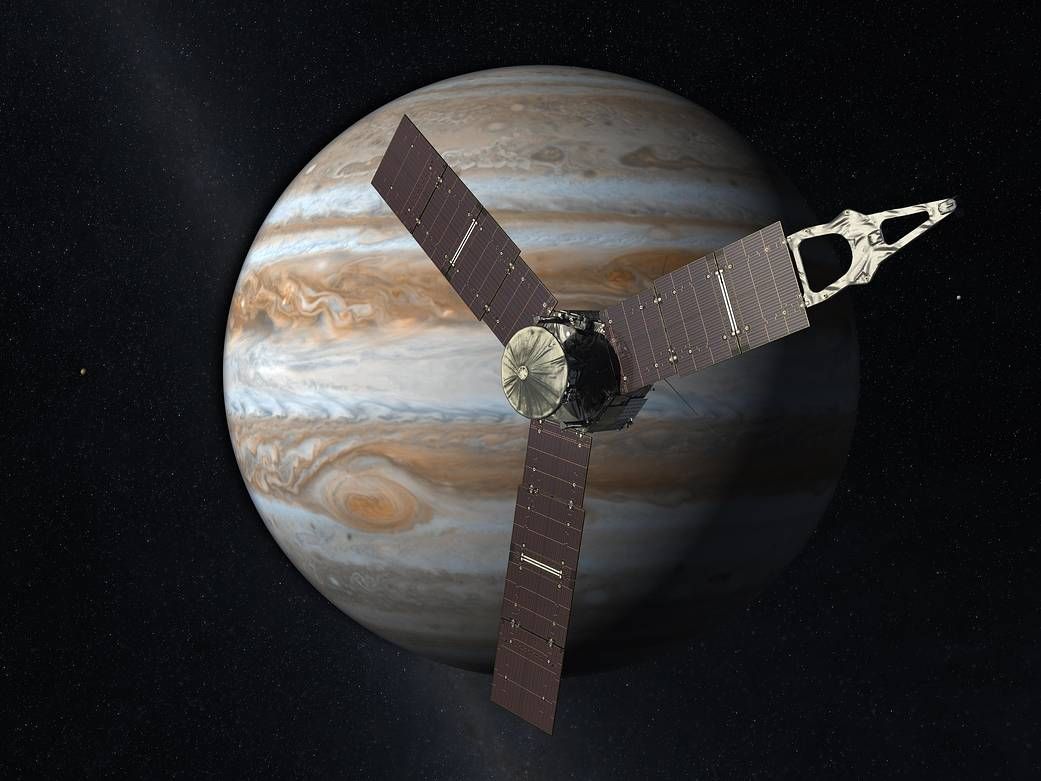
What is the Juno Mission?
Juno is a solar powered probe studying Jupiter’s atmosphere, core, and magnetic field. Equipped with advanced sensors and cameras, it withstands Jupiter’s extreme radiation. Since 2016, Juno has been unraveling mysteries of the gas giant’s structure and origins, revealing phenomena unseen in our solar system and beyond.
(Photo: Pinterest)
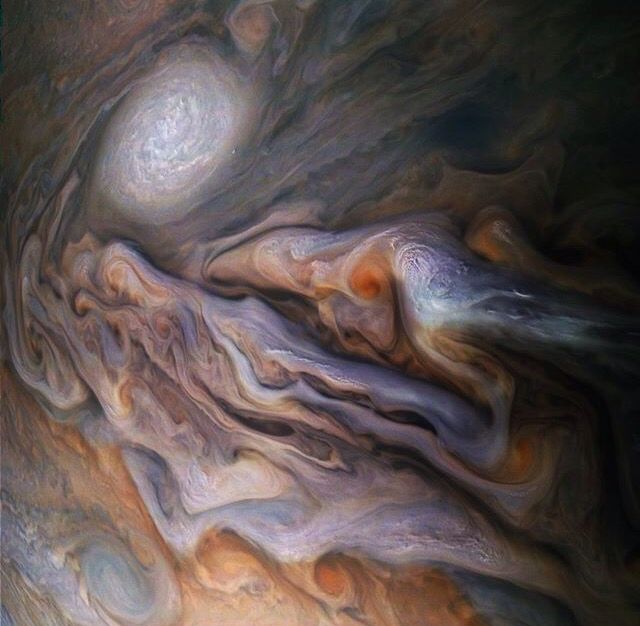
Polar Cyclones Larger Than Earth
Juno revealed vast cyclones at Jupiter’s poles, arranged in unique polygonal patterns. Some span thousands of miles, larger than Earth. Unlike transient storms here, Jupiter’s cyclones remain stable over time. These colossal systems highlight a dynamic, alien atmosphere, offering insights into weather patterns across gas giants.
(Photo: Pinterest)
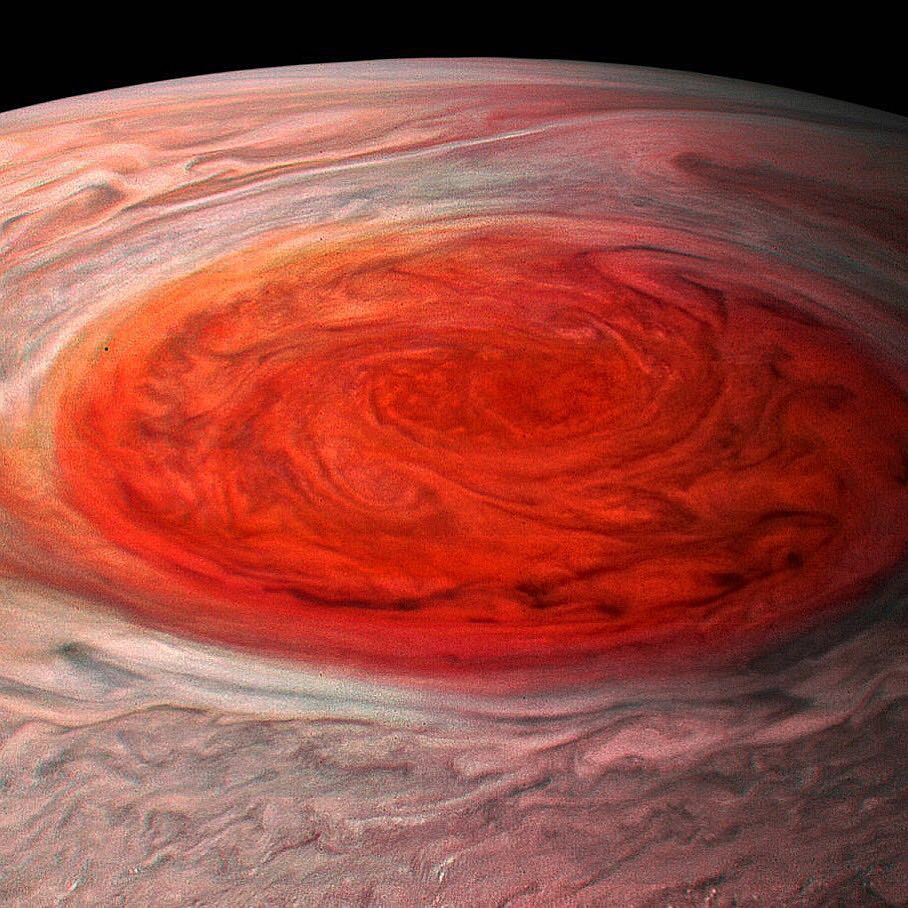
Juno measures Great Red Spot’s Depth
The Great Red Spot, a centuries old storm, was found to extend 300 miles into Jupiter’s atmosphere. Earlier observations only revealed its surface. Juno’s data provides key insights into its energy and atmospheric dynamics, reshaping how scientists understand long-lived storms on gas giants like Jupiter.
(Photo: Pinterest)
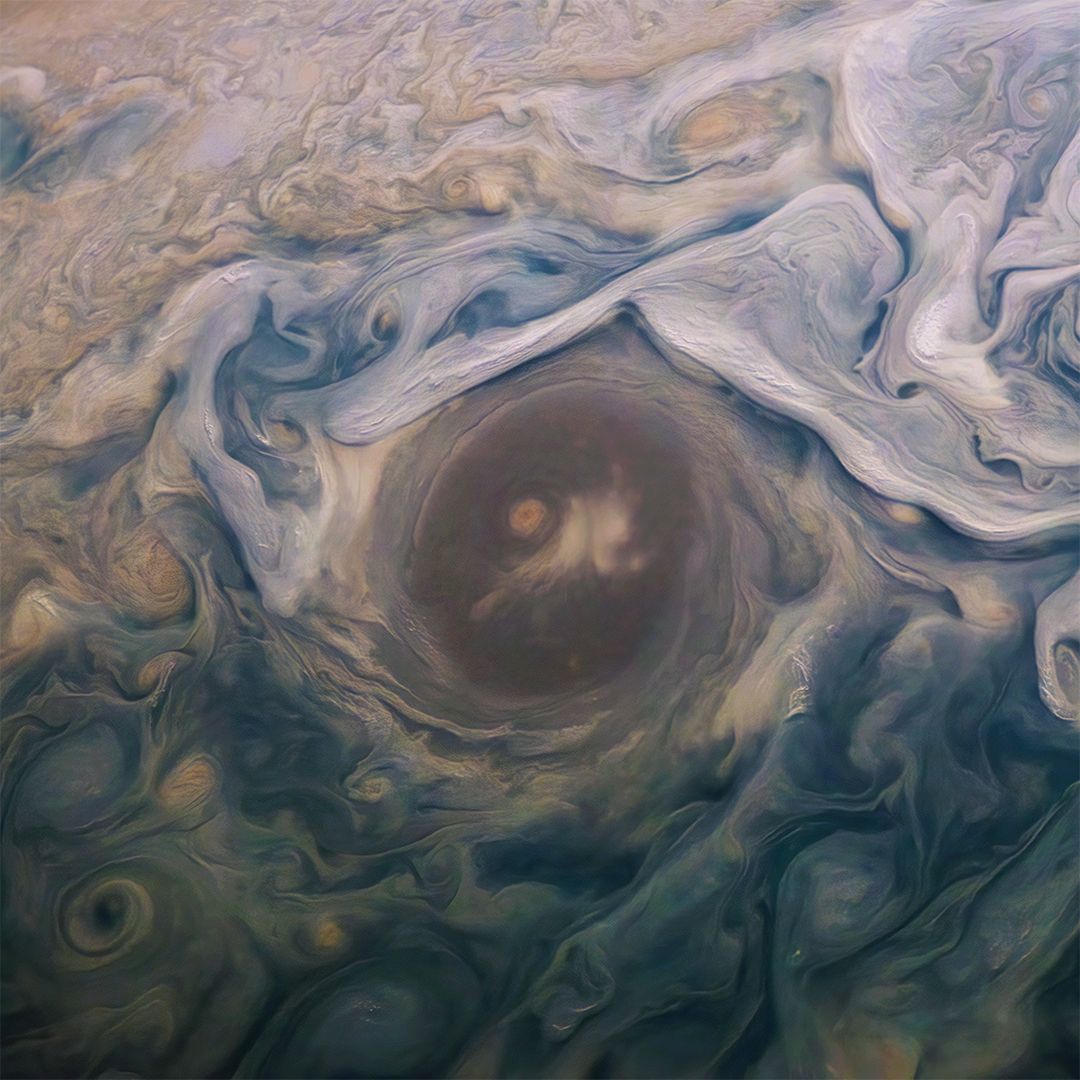
Jupiter's a Fuzzy Core: A Surprising Revelation
Gravity data from Juno revealed Jupiter’s core is not dense and solid but fuzzy and diffuse. Heavy elements mix with metallic hydrogen, blurring traditional boundaries. This groundbreaking discovery contradicts earlier models of Jupiter’s formation and forces scientists to rethink how gas giants develop in solar systems.
(Photo: Pinterest)

Clues to Jupiter’s Violent Past
The diffuse core may result from an ancient collision between Jupiter and another planetary body. This cosmic impact could have disrupted Jupiter’s early structure, leaving lasting effects still visible today. Juno’s findings highlight how violent histories may shape the evolution of giant planets across the cosmos.
(Photo: Pinterest)

Juno reshapes planetary science theories
Juno’s revelations cyclones, fuzzy cores and deep storms challenge longstanding theories of planet formation. They prompt scientists to reconsider gas giant structures in our solar system and beyond. By applying these insights, researchers may better understand exoplanets orbiting distant stars, shaping future exploration and astronomy.
(Photo: Pinterest)
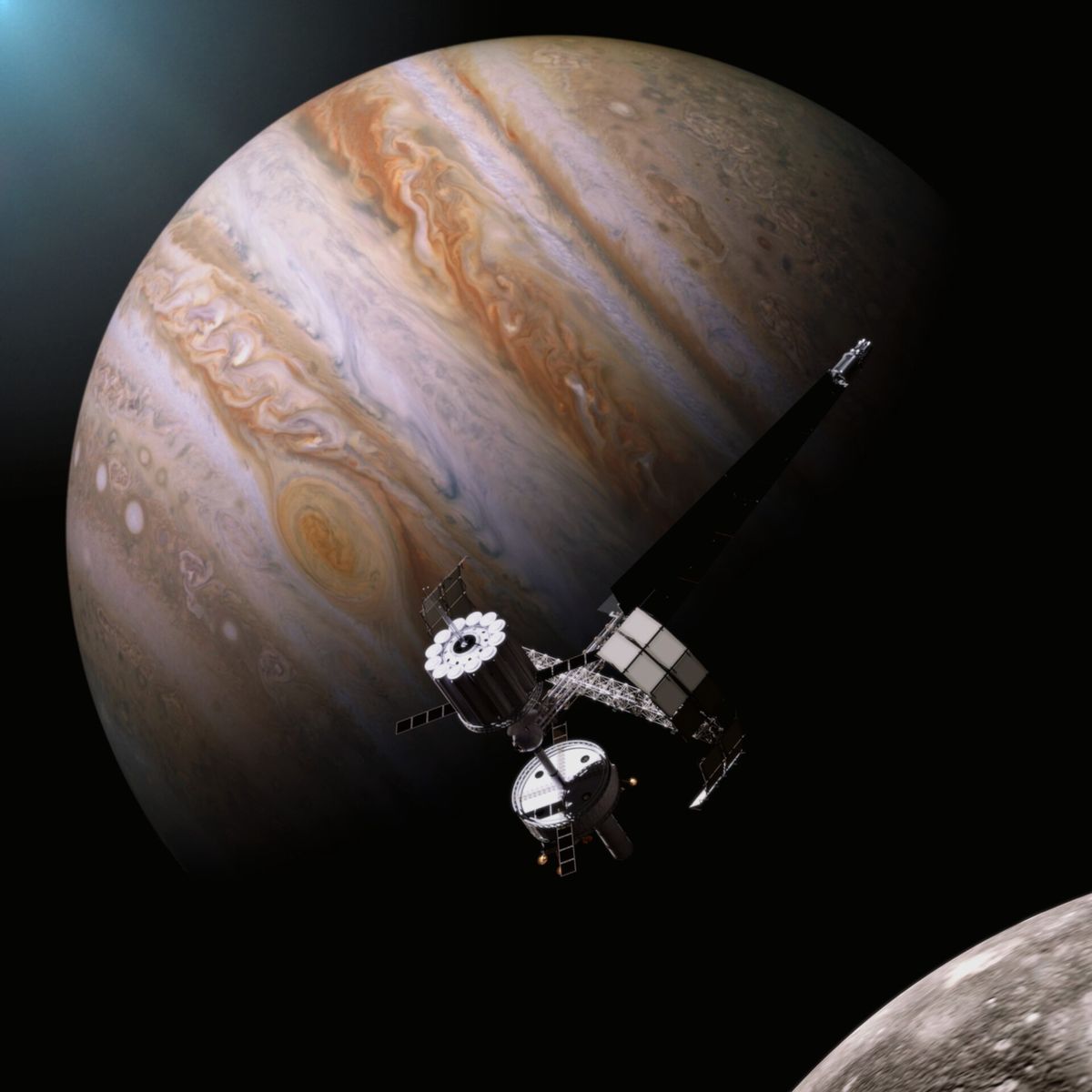
Juno’s Legacy and Future
Juno’s mission, extended beyond its original plan, continues to deliver groundbreaking science. Its legacy lies in reshaping our view of Jupiter and advancing planetary exploration. By peeling back Jupiter’s mysteries, Juno has secured its role as one of NASA’s most significant contributions to solar system discovery.
(Photo: Pinterest)




