

Kuiper Belt May Hold Mysterious Planet Nine Beyond Neptune’s Orbit
Kuiper Belt reside in Arrokoth and Pluto, which may hold a celestial giant in hiding the enigmatic Planet Nine. Observations have shown some aberrant orbits of faraway icy worlds, which might be due to the gravitational hitch of an unknown planet, rumored to weigh around ten times what Earth does. Planet Nine would thus alter the very sense of solar systems if it could be indeed found because, even now and space keeps powerful secrets under its surface. Despite the fact that it is situated at a great distance and emits very low light, international observatories and sky surveys continue the hunt to solve what is perhaps one of the most wonderful enigmas of the present time.
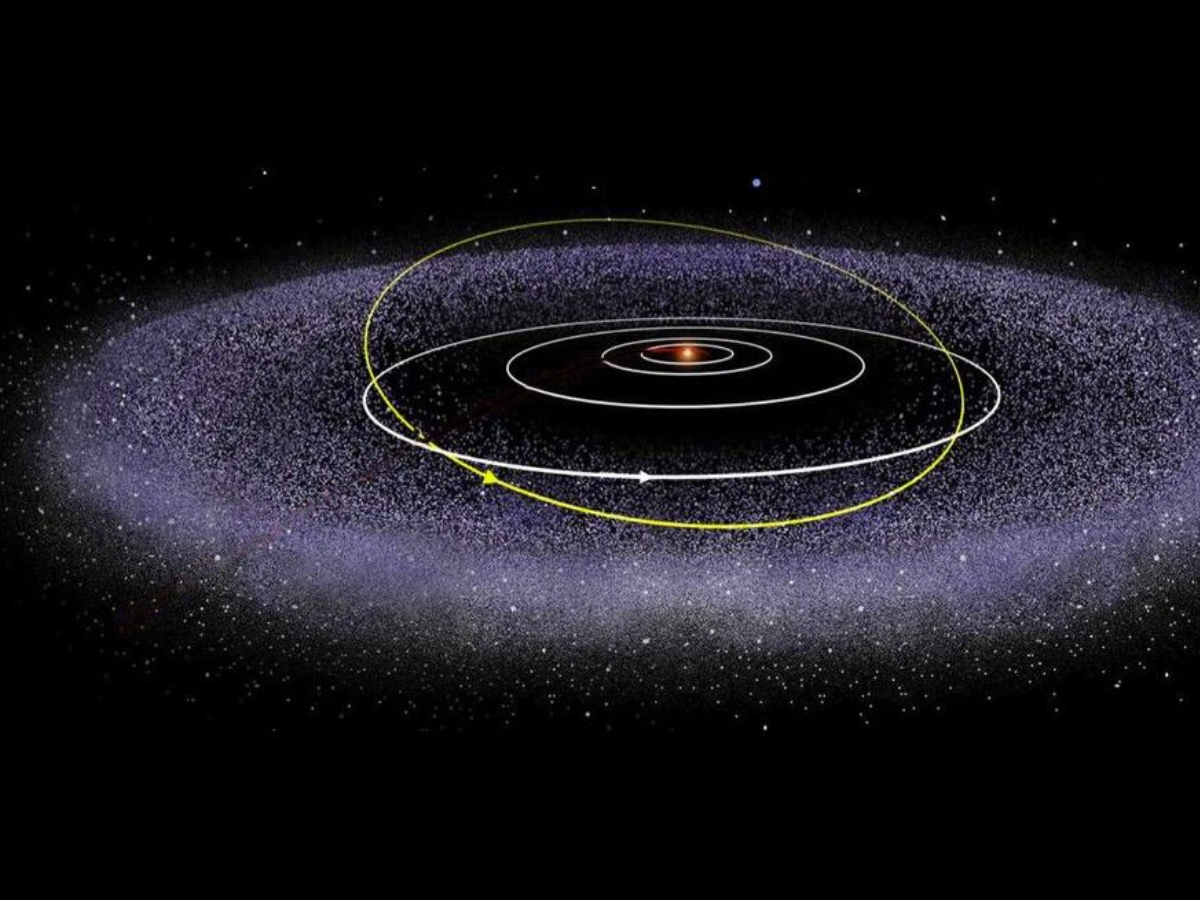
The Mystery of Planet Nine
The Kuiper Belt, home to Pluto and Arrokoth, may also hide a ninth planet. Subtle gravitational effects hint at its existence, sparking intense global research. This mysterious world, if real, could redefine our solar system and change how we view planetary formation and celestial mechanics beyond Neptune.
(Photo: NASA)
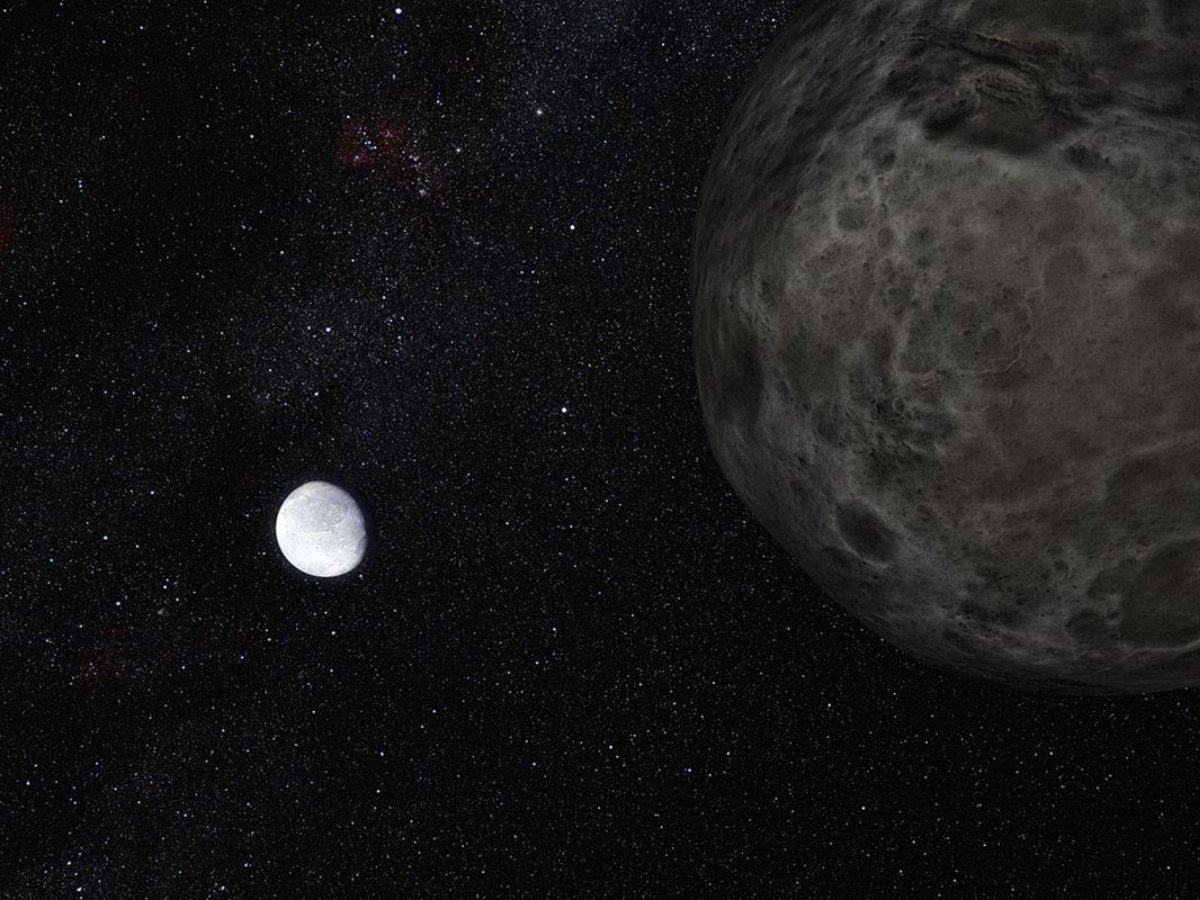
The Kuiper Belt Explained
Stretching from 30 to 55 AU from the Sun, the Kuiper Belt is filled with icy debris, comets, and dwarf planets like Pluto. Astronomers believe its strange orbital patterns may provide vital clues about the elusive Planet Nine lurking in its depths.
(Photo: NASA)
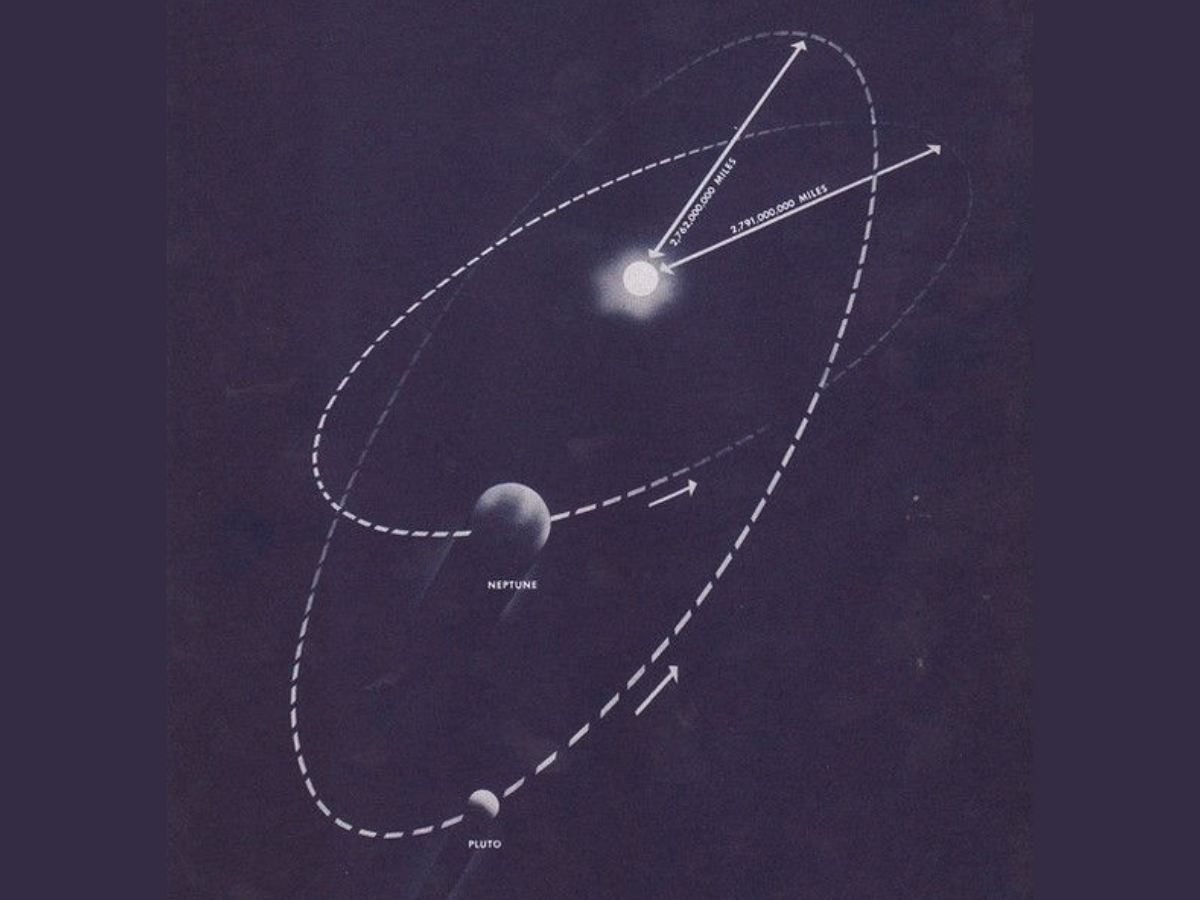
Pluto and Arrokoth, Famous Residents
Pluto, once our ninth planet, and Arrokoth, a contact binary, both reside in the Kuiper Belt. These icy bodies are windows into our solar system’s past, helping scientists decode planetary evolution and supporting theories of a larger, unseen body exerting hidden influence.
(Photo: NASA)
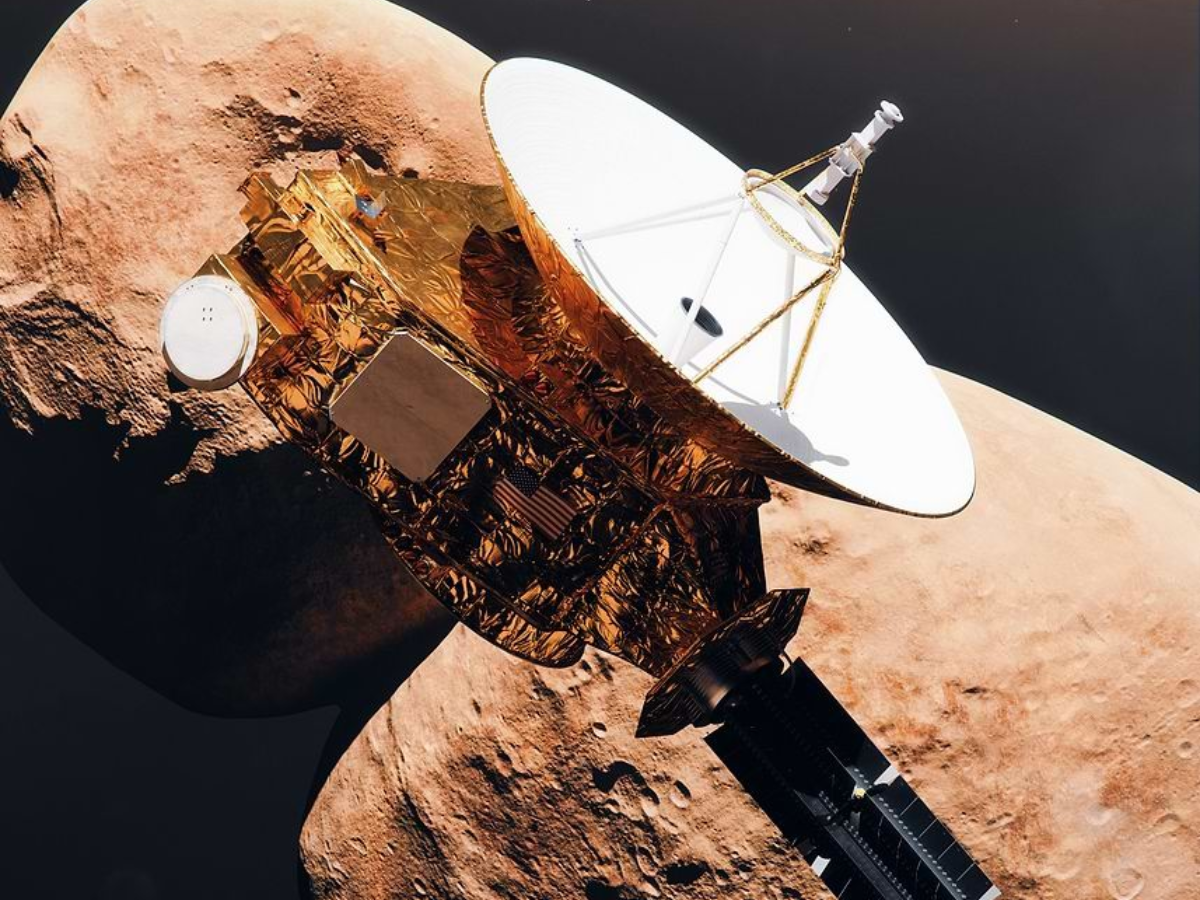
Why Scientists Believe in Planet Nine
Astronomers observed distant Kuiper Belt objects clustering in unusual ways. This pattern hints at a massive planet’s gravitational pull, possibly ten times Earth’s mass. Such anomalies strengthen the hypothesis that a mysterious Planet Nine lies far beyond Neptune’s icy frontier, waiting to be confirmed.
(Photo: NASA)
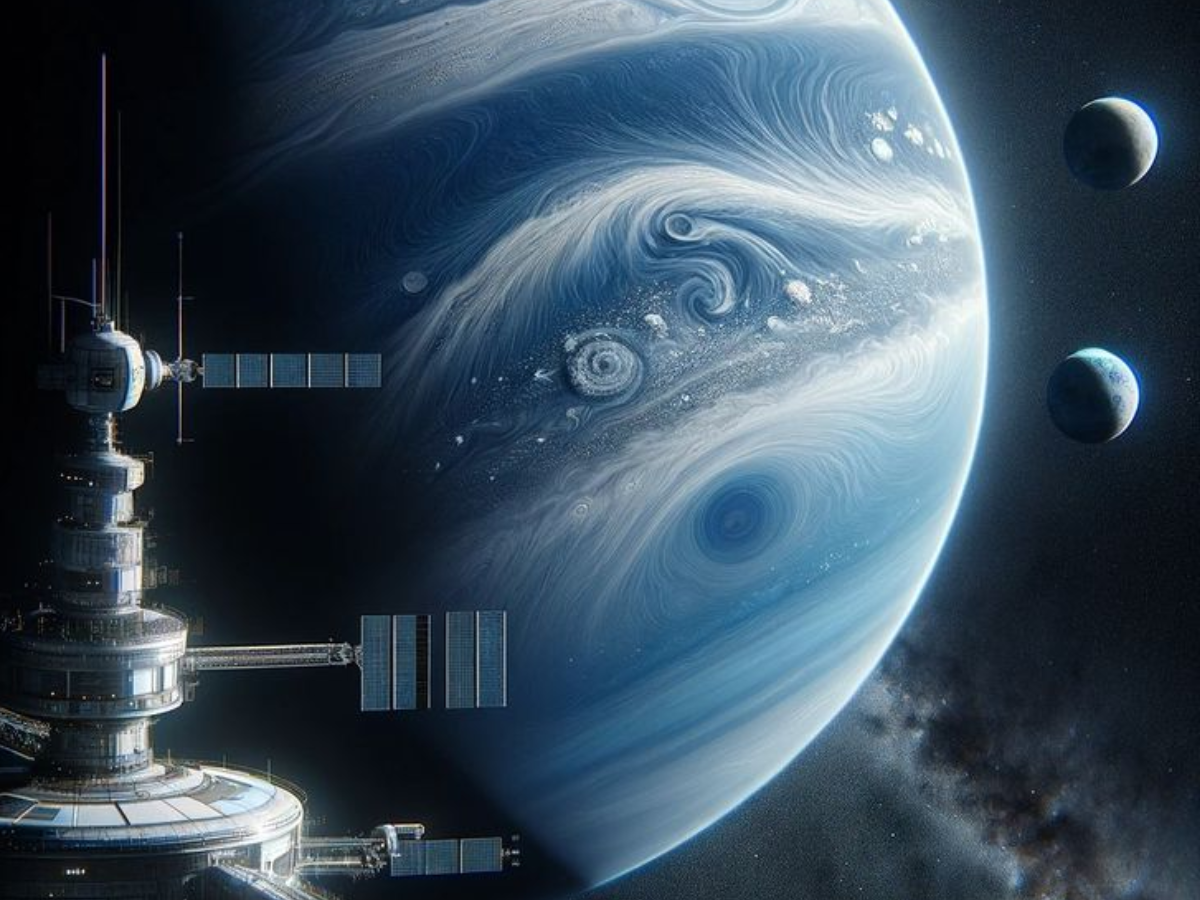
How Big Could Planet Nine Be?
If it exists, Planet Nine could be five to ten times Earth’s mass, with a size comparable to Neptune. It would orbit the Sun at an extreme distance, taking thousands of years to complete one revolution, making it exceptionally difficult to detect with telescopes.
(Photo: Pinterest)
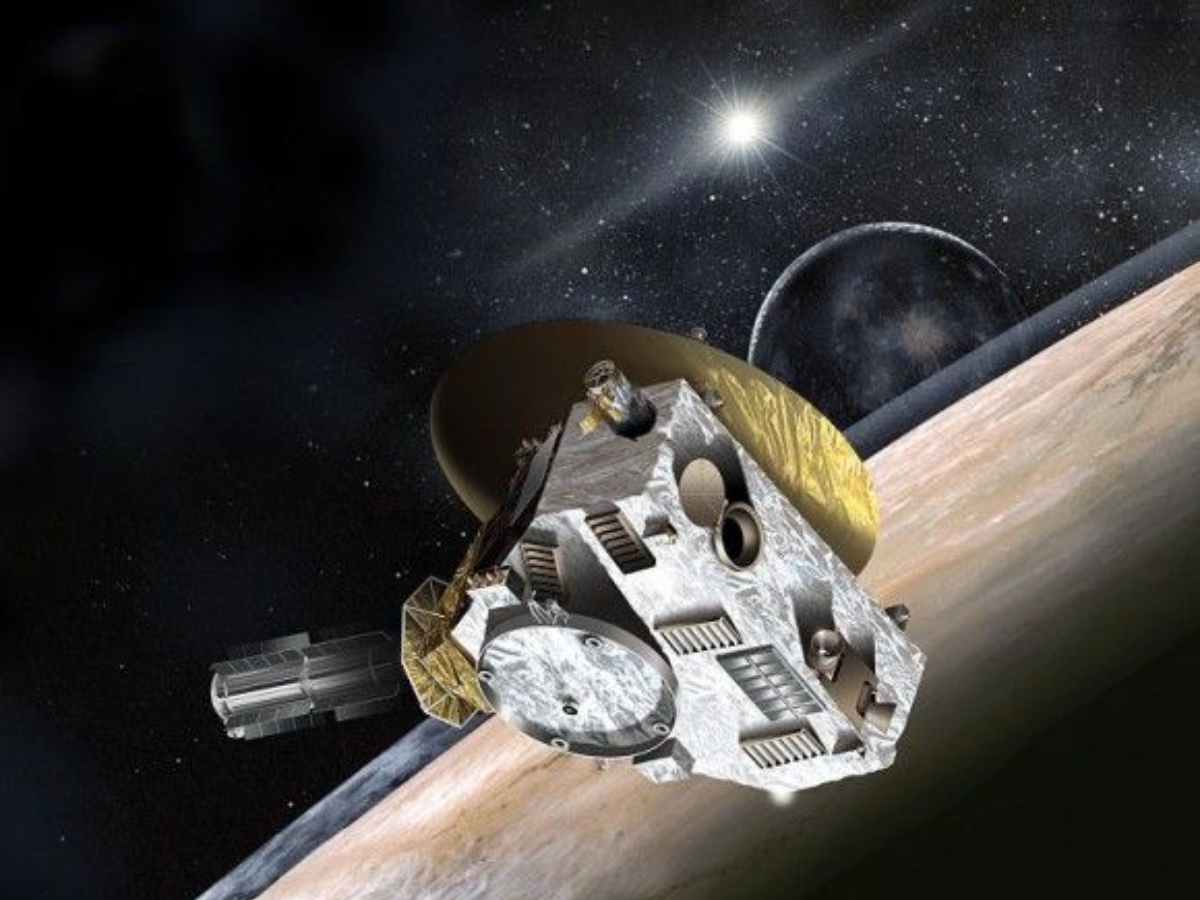
Why Finding It Is Difficult
Planet Nine’s remoteness makes it dim and nearly invisible to current telescopes. Orbiting far beyond Pluto, it reflects little sunlight. Detecting it requires powerful observatories, long-term monitoring, and advanced models to predict where this elusive world could be hiding in the vast Kuiper Belt.
(Photo: NASA)
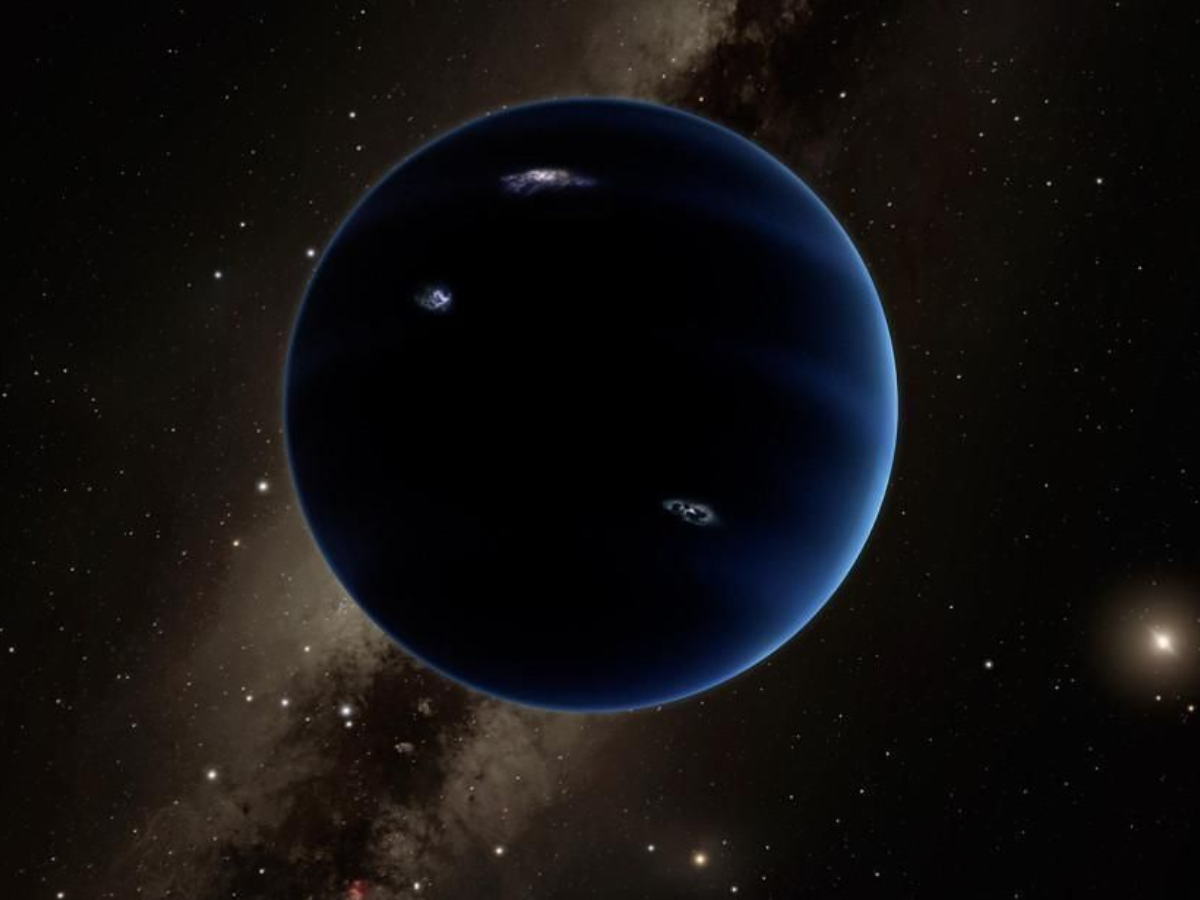
The Search Around the Globe
From Hawaii’s Subaru Telescope to Chile’s observatories, astronomers are pooling resources to track Planet Nine. International teams analyze data from sky surveys, using simulations and orbital models, hoping to pinpoint its possible location among countless icy bodies and stars in the deep space wilderness.
(Photo: Pinterest)
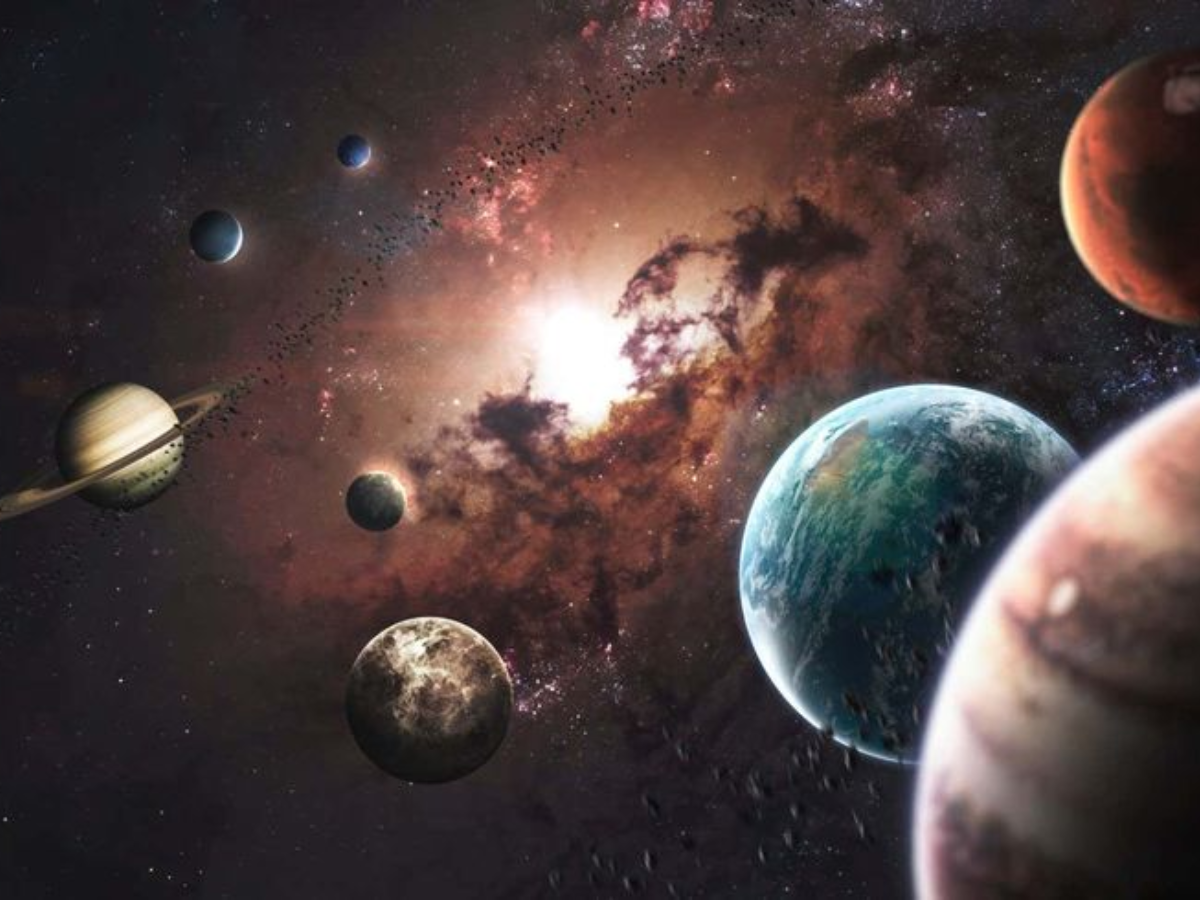
Could Planet Nine Redefine the Solar System?
Confirming Planet Nine’s existence would revolutionize planetary science, adding a new major world to our solar system. It would offer insights into planetary migration, orbital dynamics, and the evolution of celestial systems, reminding us that space still holds countless mysteries yet to be solved.
(Photo: Pinterest)




