

How the Moon Protects & Sustains Life on Earth
The moon plays a crucial role in Earth’s survival. It stabilizes our planet’s tilt, regulates tides, slows rotation and influences biological cycles. Without it, climate extremes, disrupted ecosystems and chaotic weather patterns would threaten life. Its protective and life-supporting functions make the moon indispensable for Earth’s balance and biodiversity.
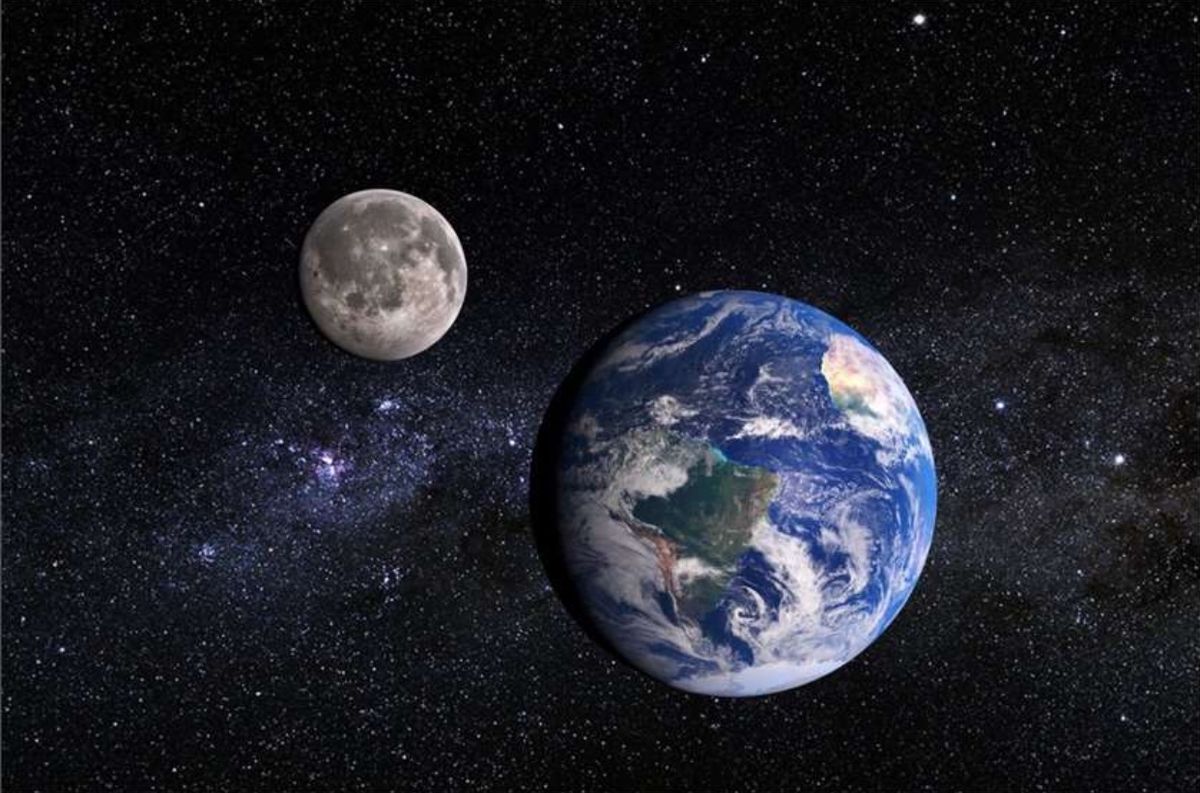
Moon’s Vital Role in Earth's Survival
Without the moon, life on Earth would be drastically different. From stabilizing the planet’s tilt to influencing tides and the moon’s presence plays a crucial role in maintaining environmental and biological balance ensuring Earth remains habitable and its ecosystems thrive through natural cycles.
(Photo: Pinterest)
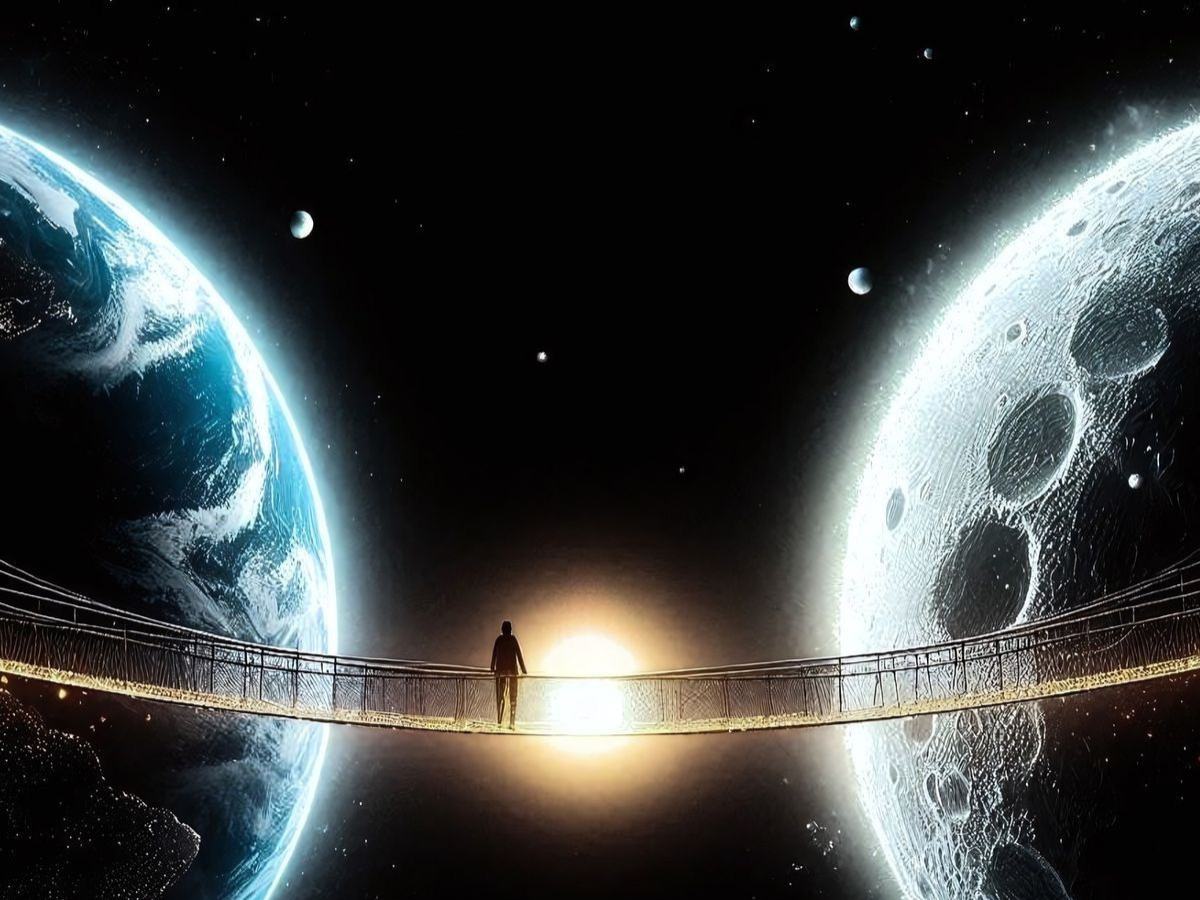
Stabilizing Earth’s Tilt & Climate
The moon’s gravitational pull helps keep Earth’s tilt steady. Without it, the planet would wobble, causing erratic seasons and temperature swings that could make survival difficult for many species disrupting ecosystems and agricultural cycles.
(Photo: Pinterest)
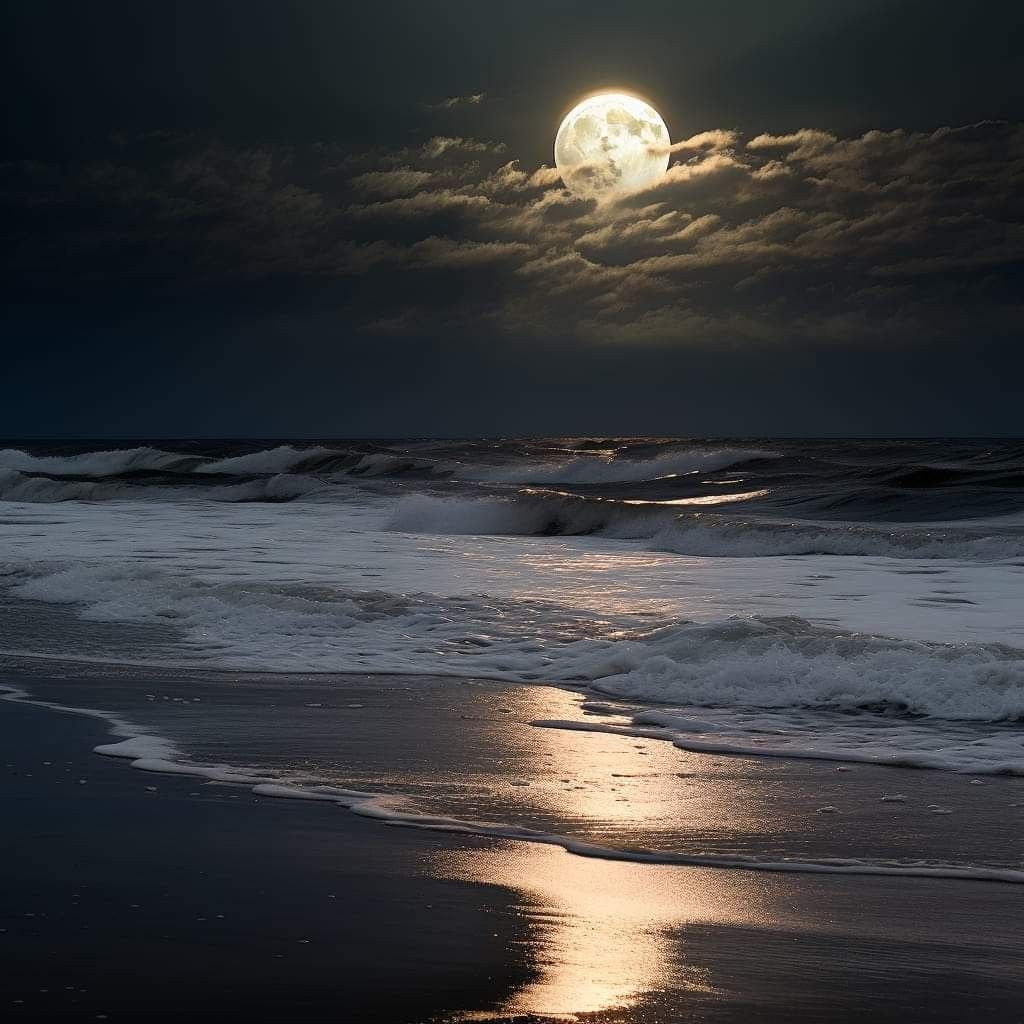
Tides Powered by the Moon
The moon’s gravitational force creates tides that shape marine environments. These tidal movements circulate nutrients, regulate coastal habitats and support biodiversity. Without tides marine ecosystems would suffer and affecting life both in oceans and on land.
(Photo: Pinterest)
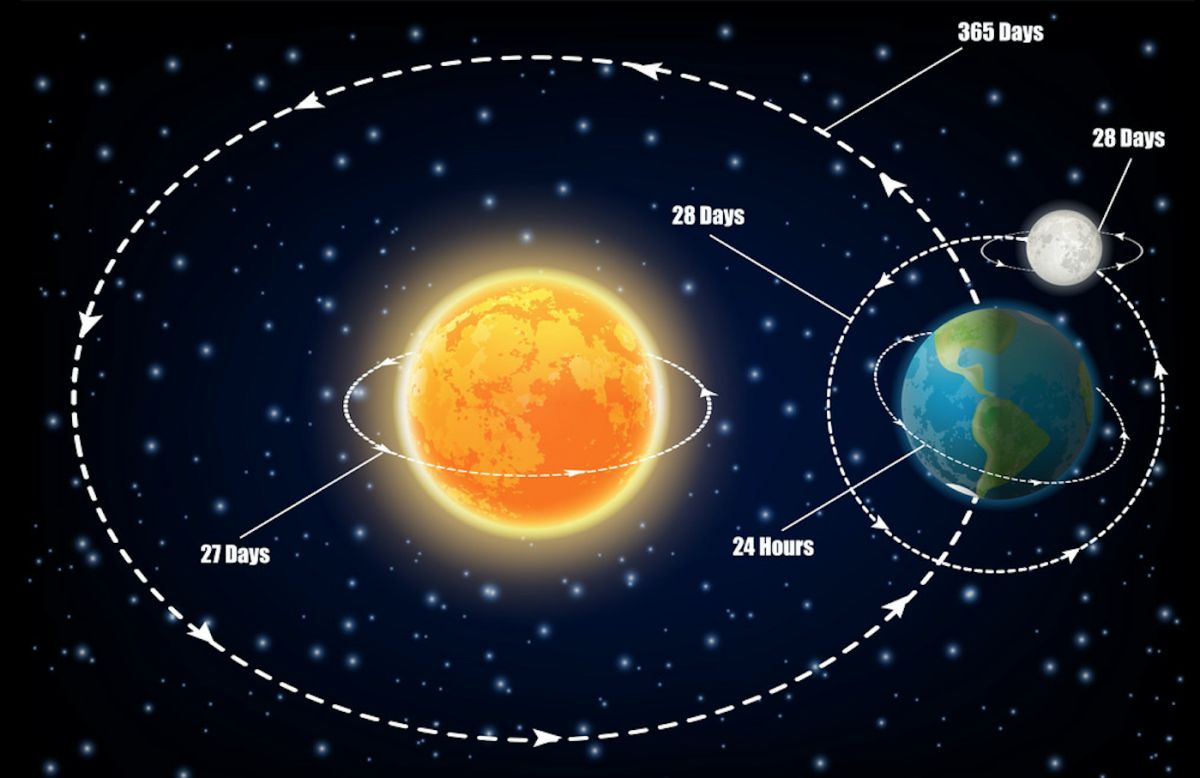
Moon Slows Earth’s Rotation
he moon’s gravitational interaction with Earth slows its rotation over time. This gradual deceleration has lengthened days and allowed ecosystems to adapt. It also contributed to the development of biological rhythms and supporting evolutionary processes and maintaining environmental consistency throughout Earth’s history.
(Photo: Pinterest)
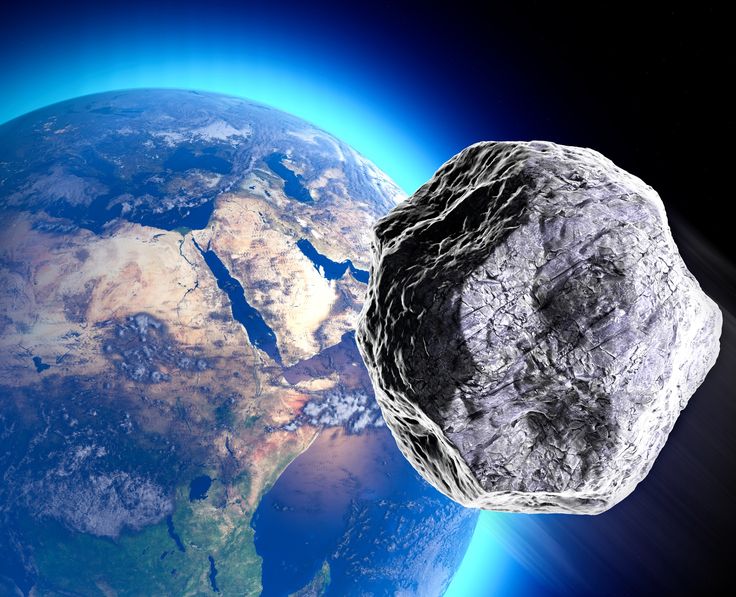
Protecting Earth from Space Debris
The moon’s gravitational field attracts asteroids and meteoroids, reducing the number of impacts on Earth. Acting as a protective barrier and it helps prevent catastrophic collisions that could disrupt life, ecosystems and the planet’s surface ensuring greater chances for life to persist and thrive.
(Photo: Pinterest)
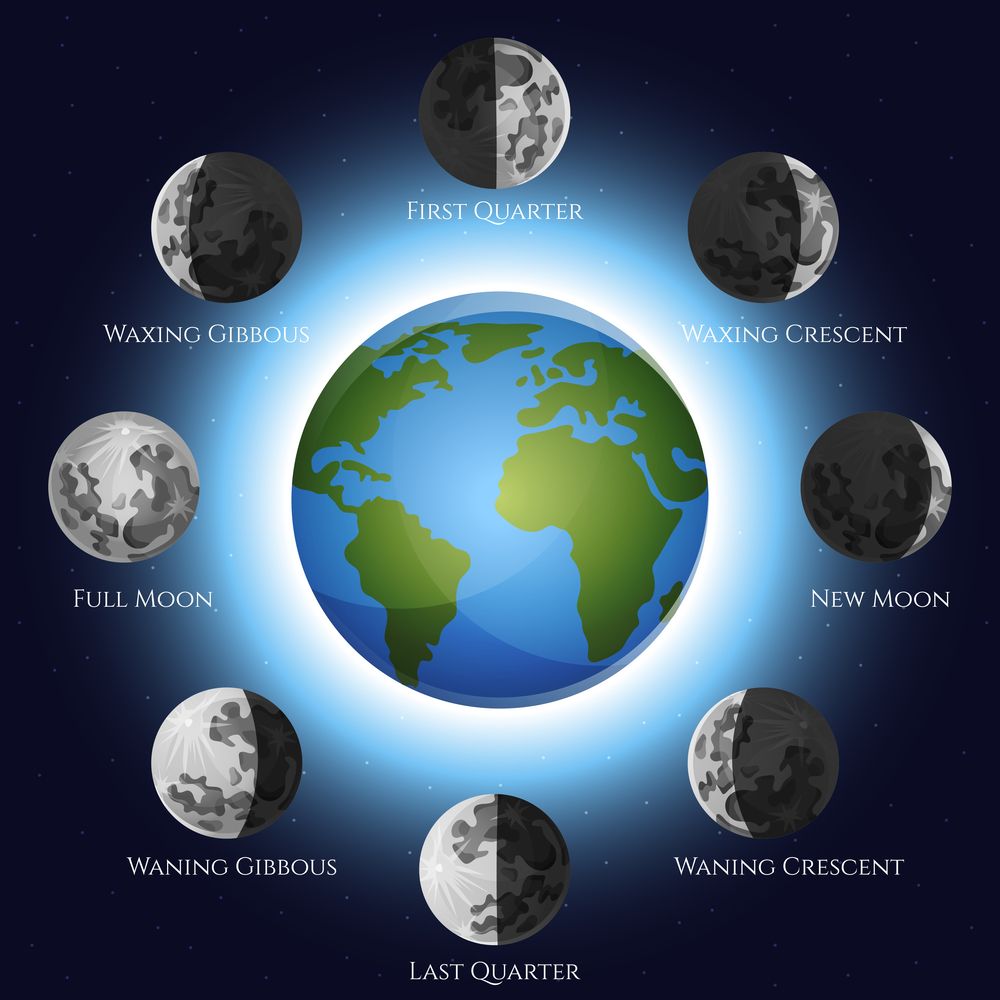
Influencing Biological Cycles
The moon’s phases impact sleep patterns, reproduction, and behavior in animals. Many species rely on lunar cycles for mating and migration. This influence extends to ecosystems, creating rhythms that help species adapt and survive making the moon’s presence integral to life’s natural order on Earth.
(Photo: Pinterest)
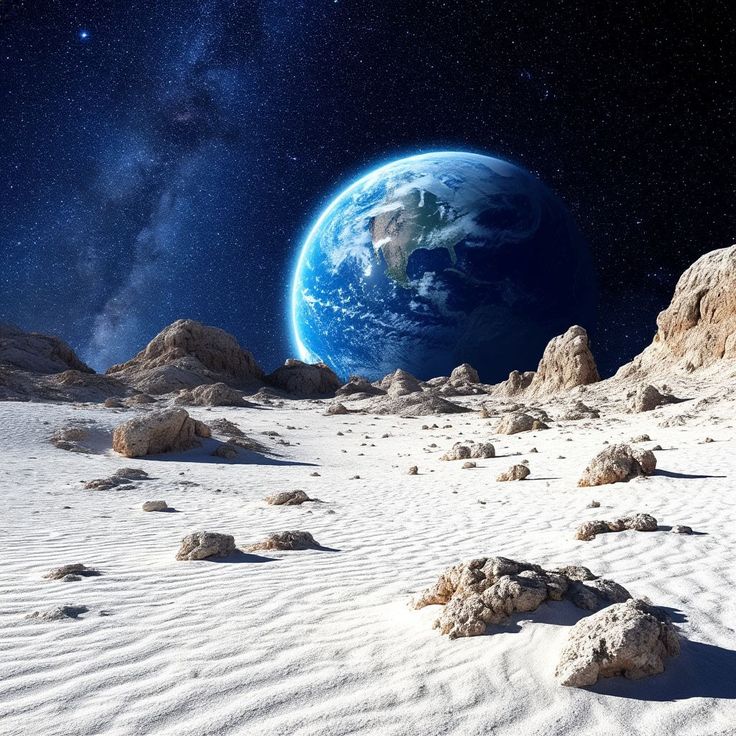
Moon’s Importance for Life
The moon is more than a beautiful sight—it’s essential for life on Earth. By stabilizing the planet, regulating tides and influencing biological rhythms, it has shaped life’s evolution and survival. Without it, Earth would be far less hospitable and life as we know it might not exist.
(Photo: Pinterest)




