

From Galileo to James Webb: The World’s Most Famous Telescopes
From Galileo’s first telescope to the powerful James Webb telescopes have shaped humanity’s understanding of the universe. Each milestone brought us closer to the stars, unveiling mysteries of planets, galaxies and cosmic origins. These iconic instruments showcase the evolution of science and our endless curiosity about the cosmos.
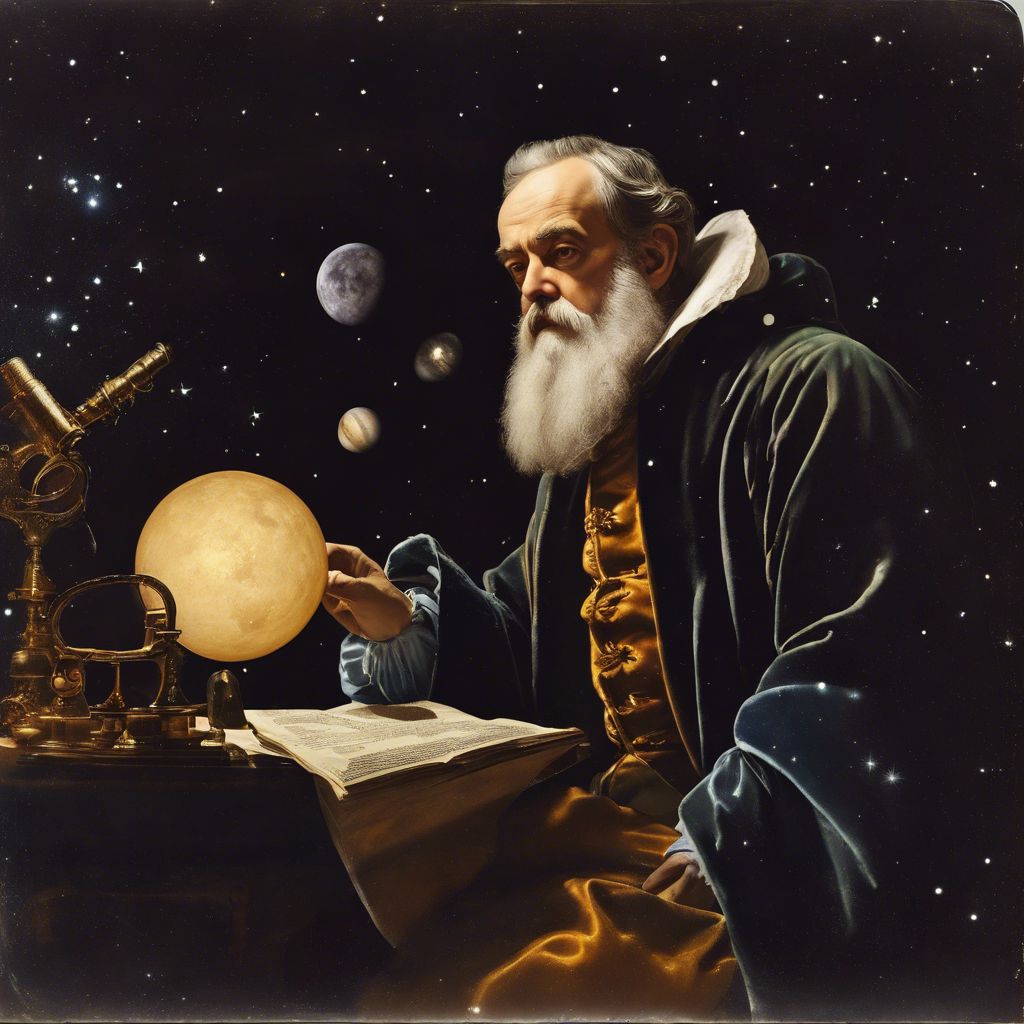
Galileo’s Telescope (1609)
In 1609, Galileo Galilei built one of the first practical telescopes, magnifying objects up to 20 times with it, he observed Jupiter’s moons, phases of Venus and detailed lunar craters. His discoveries marked a turning point, laying the foundation for modern astronomy and challenging long-held beliefs of the cosmos.
(Photo: Pinterest)
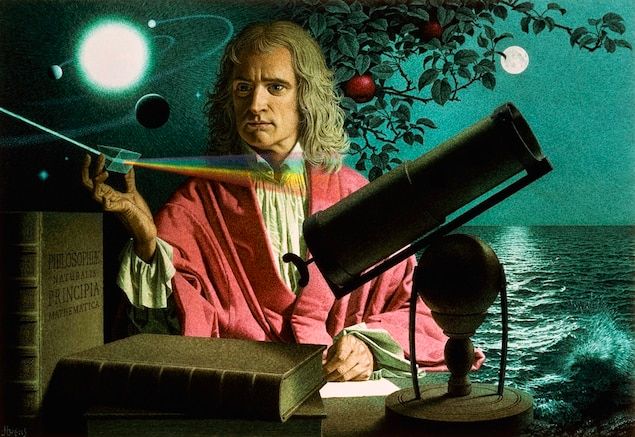
Newton’s Reflecting Telescope (1668)
In 1668, Isaac Newton constructed the first practical reflecting telescope using mirrors instead of glass lenses. This innovation eliminated chromatic aberrations and provided clearer sharper images of the night sky. Newton’s reflector was groundbreaking and continues to inspire modern telescope design, cementing his legacy beyond physics into astronomy.
(Photo: Pinterest)
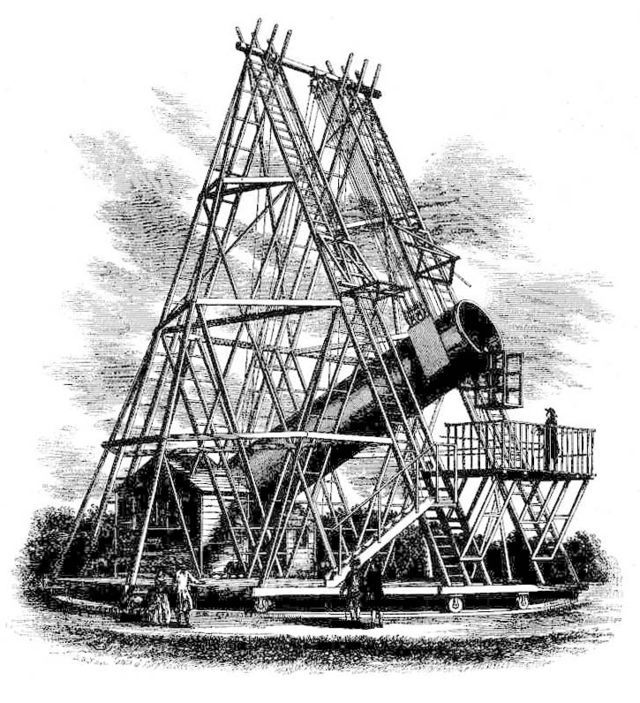
Herschel’s Great Telescope (1789)
Astronomer William Herschel unveiled his colossal 40-foot telescope in 1789, the largest in the world at that time. With it, he discovered two moons of Saturn and studied nebulae in unprecedented detail. Though difficult to operate, Herschel’s telescope symbolized the bold ambitions of astronomy in the 18th century.
(Photo: Pinterest)
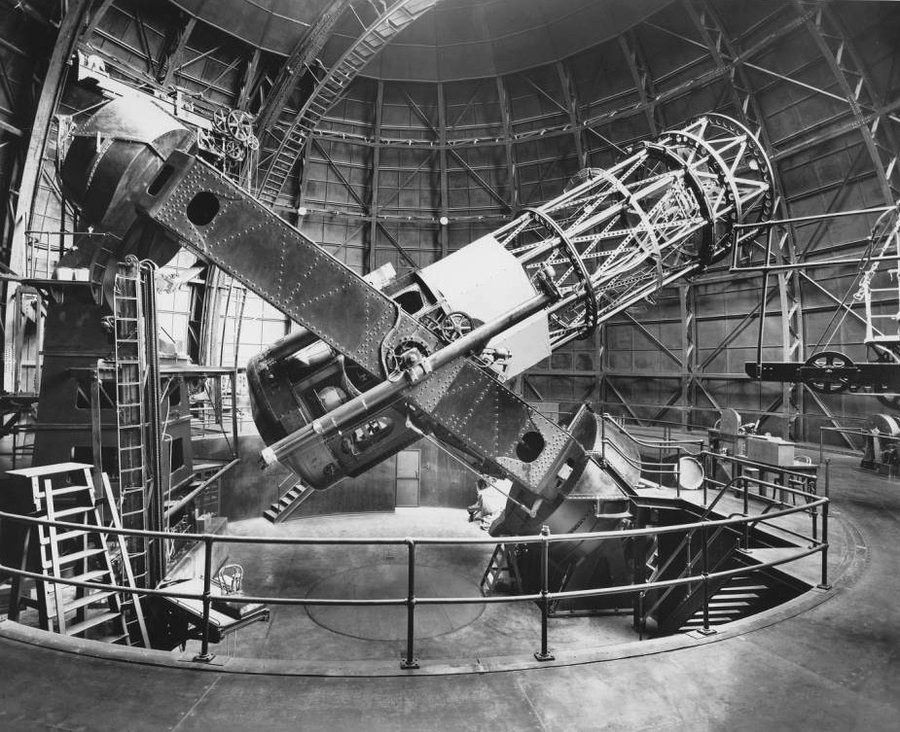
Hooker Telescope (1917)
In 1917, the 100-inch Hooker Telescope at Mount Wilson Observatory became the most powerful of its time. Edwin Hubble used it to prove that galaxies exist beyond the Milky Way, transforming humanity’s understanding of the cosmos. It stood as a beacon of discovery through much of the 20th century.
(Photo: Pinterest)
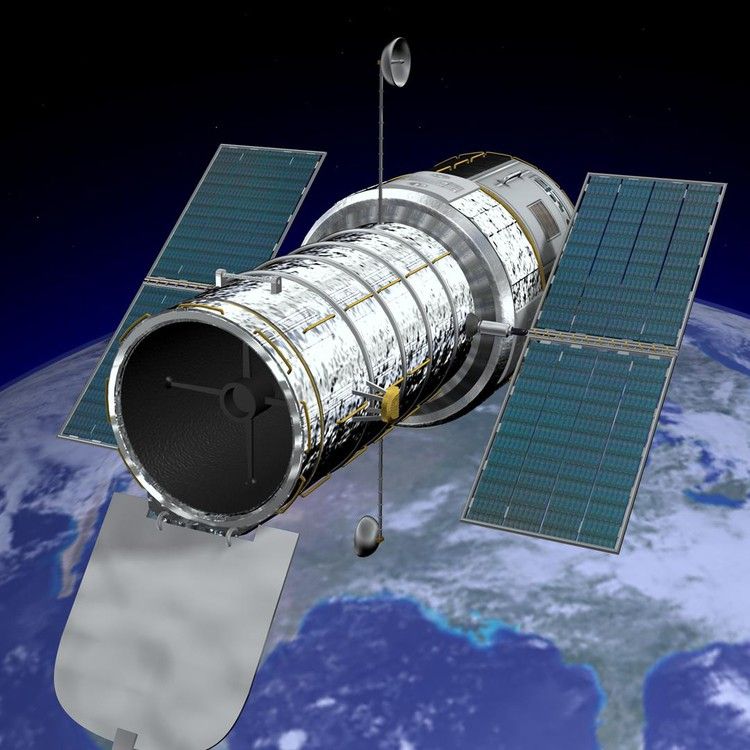
Hubble Space Telescope (1990)
Orbiting above Earth’s atmosphere since 1990, the Hubble Space Telescope revolutionized astronomy with stunning, crystal-clear images of the cosmos. From revealing the age of the universe to capturing galaxies billions of light-years away, Hubble has been one of the most successful scientific instruments ever built, inspiring awe worldwide.
(Photo: Pinterest)
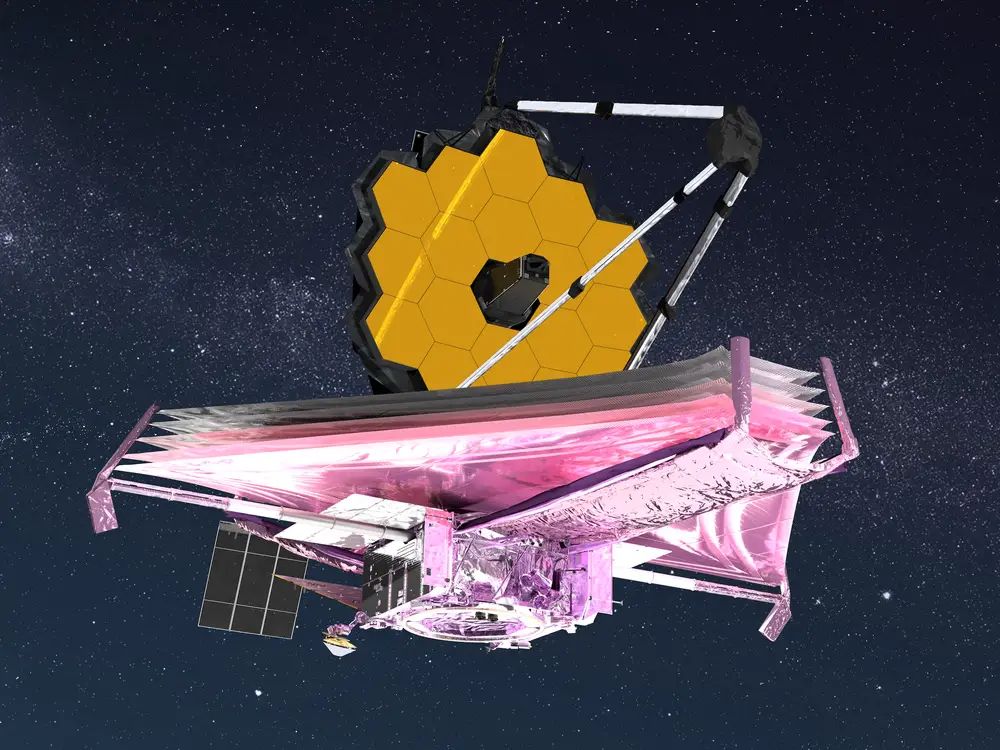
James Webb Space Telescope (2021)
In 2021, the James Webb Space Telescope is humanity’s most advanced observatory, equipped with a massive infrared mirror to see deeper into space. It studies the first galaxies, exoplanets and cosmic origins, pushing the boundaries of exploration. Webb represents a new era of discovery following centuries of telescope evolution.
(Photo: Pinterest)




