

Exploring the Universe Through Earth’s Top 10 Most Powerful Telescopes
Telescopes are humanity’s eyes on the cosmos and transform that curiosity into discovery. From somewhat space bound wonders such as JWST and Hubble to earth bound giants such as ELT, GMT and ALMA, telescopes disclose galaxies, analyze exoplanets and map the invisible universe. X-ray, radio wave and infrared light observatories push the limits of knowledge. These tools change the way astronomy do and inspire us to remember our small but important place in a great unfolding universe.
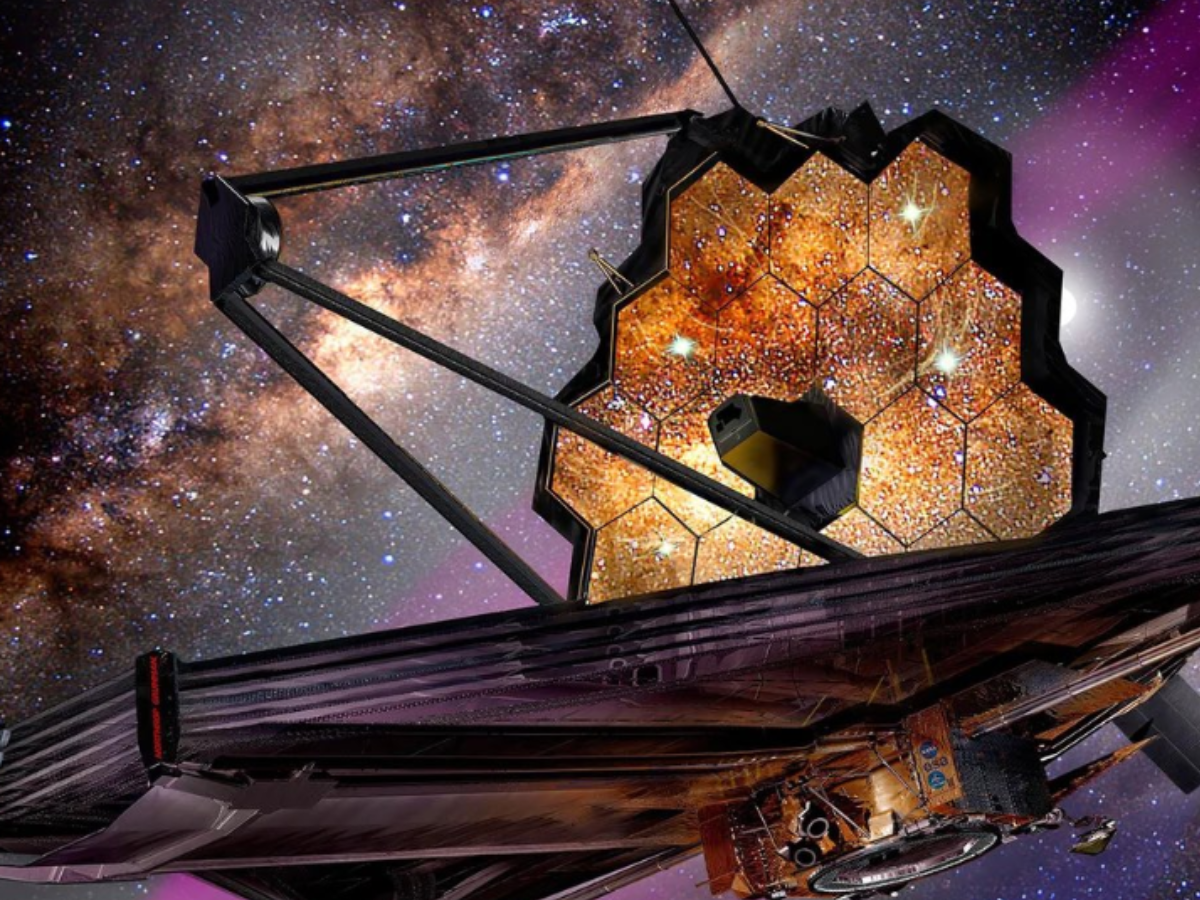
James Webb Space Telescope (JWST)
The most powerful space compliant for the human being launched in the month of December in the year 2021 the JWST obtained India's most critical probe mission with 6.5 meter mirror in as much as 390 km L₂ orbit to conduct the boldest investigations in astronomy from early galaxy formation to exoplanet atmospheric studies.
(Photo: X| Cosmos Combine)
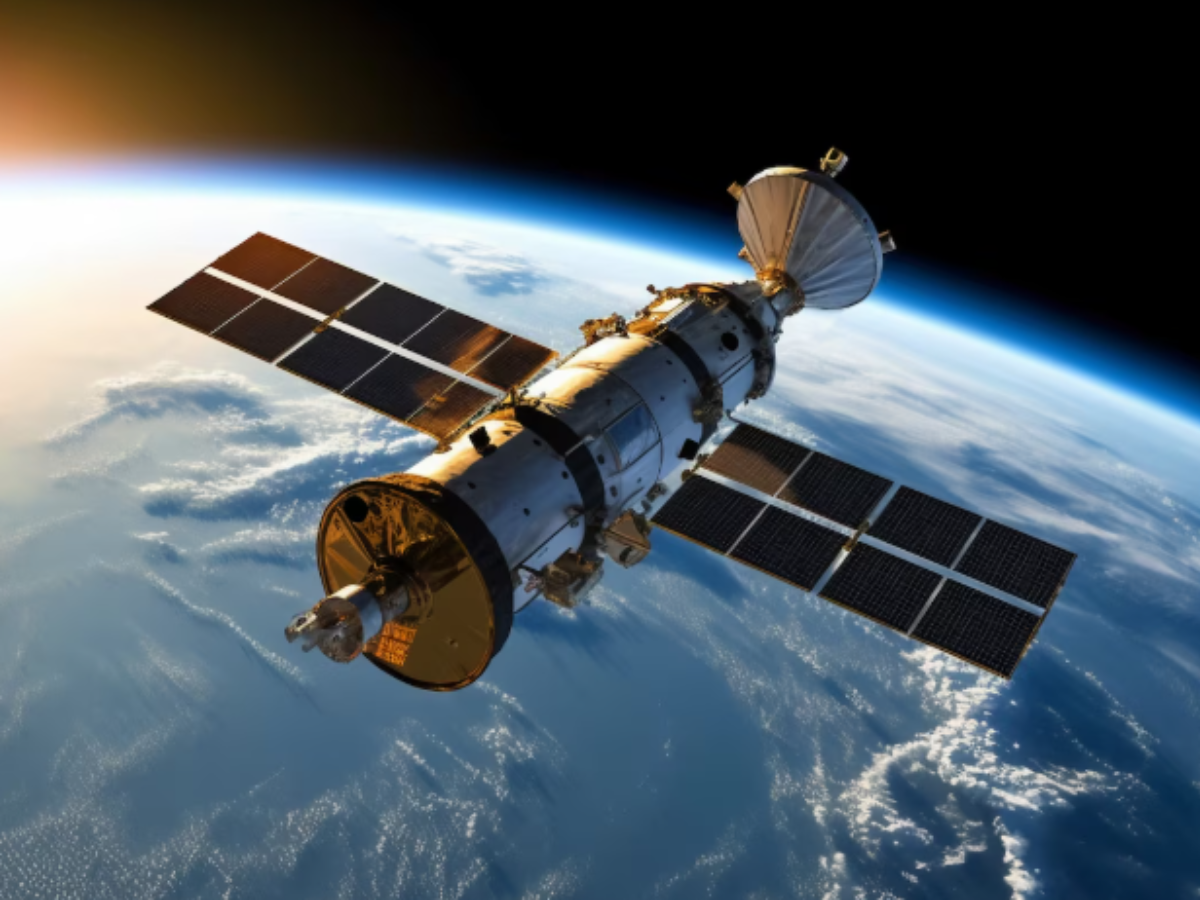
Hubble Space Telescope
It is one of the most productive and loved observatories in astronomy the Hubble Space Telescope and which was thrown into orbit in 1990 and has changed our understanding of the Universe by providing access to some of the most popular images of galaxies, nebulae and distant objects in visible and ultraviolet light.
(Photo: Freepik)
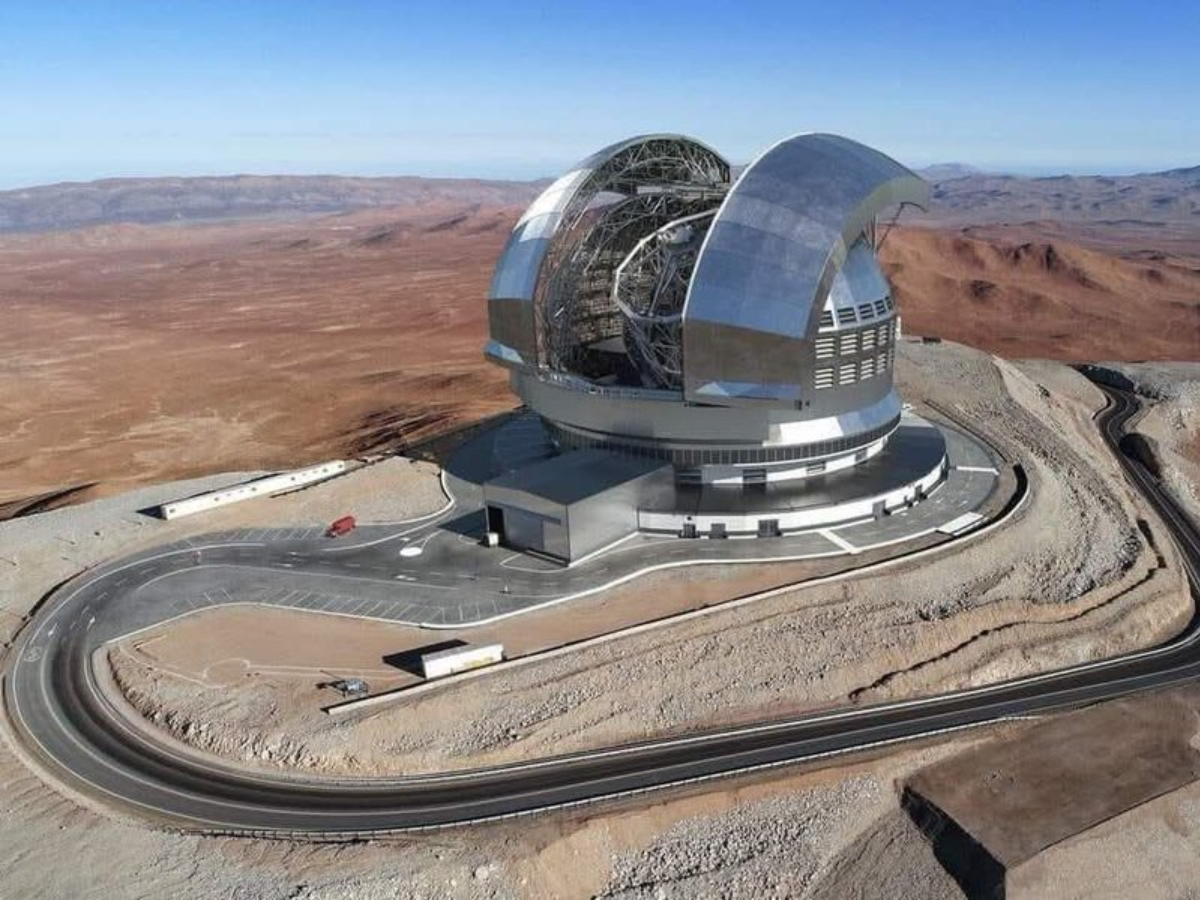
Extremely Large Telescope
The ELT will soon be built in Chile and it will include an eye popping 39 meter segmented mirror and real time atmospheric correction to provide detail never attained before. To study the atmospheres of exoplanets, the far away galaxies and what dark matter and energy are, it ought to elevate precision ground-based astronomy to entirely new levels.
(Photo: X | Black Hole)
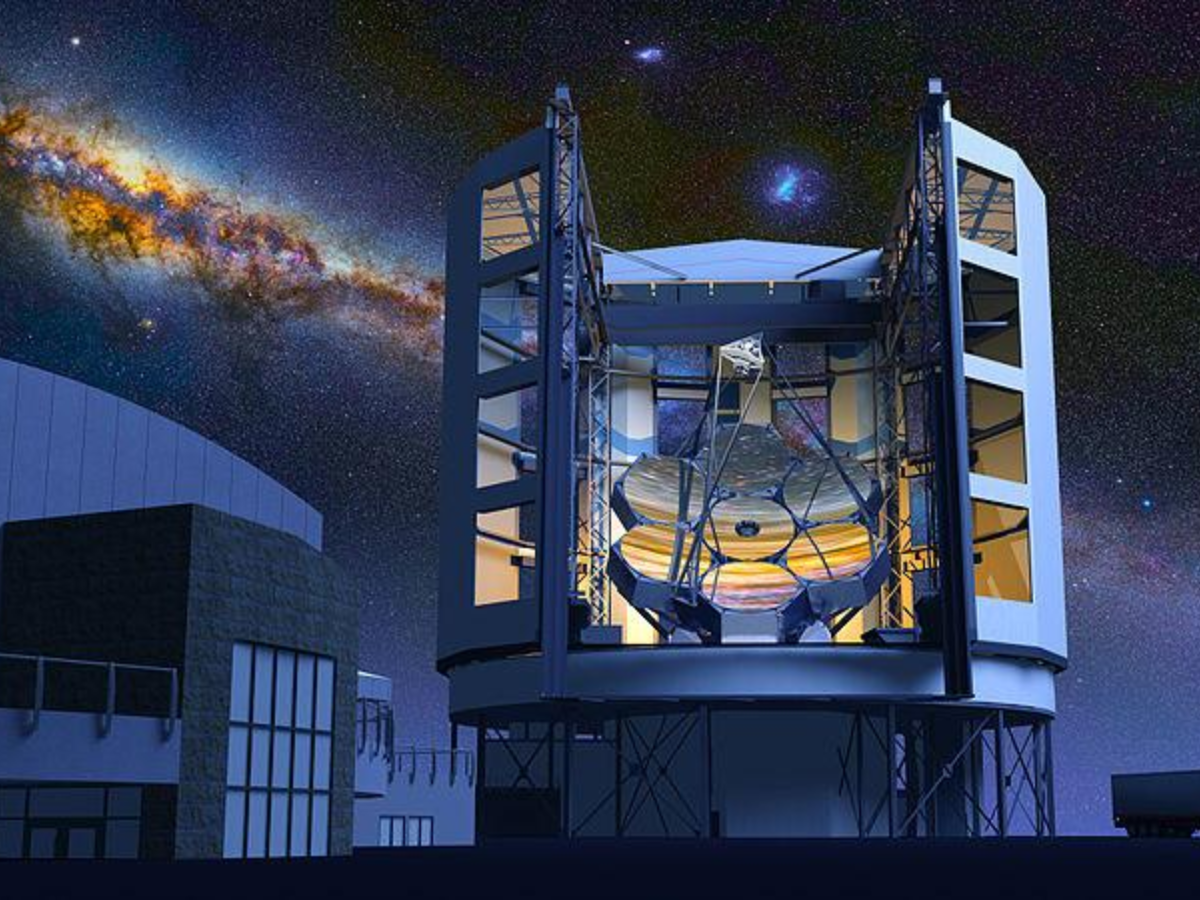
Giant Magellan Telescope
The GMT which is built in Chile, mimics the shape of a flower with its seven huge mirrors arranged like flower petals, producing a combined 25m class telescope. Imaging ten times sharper than that of Hubble will bring alive habitable worlds, star formation and the architecture of galaxies.
(Photo: X | Andrew Rader)
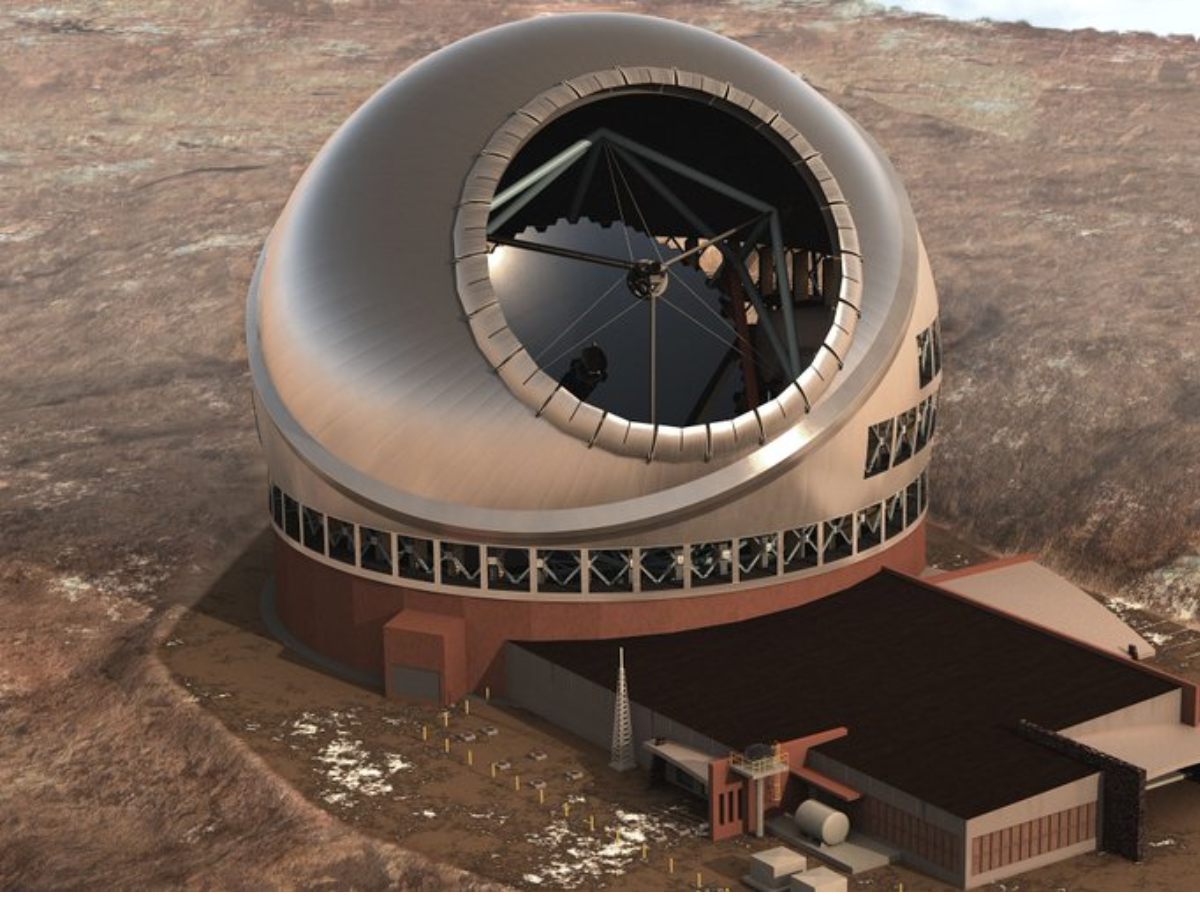
Thirty Meter Telescope
The TMT project which India is participating in, has a primary mirror of 30 meters made up of 492 hexagonal segments. Approved for placement atop Mauna Kea, the telescope will have an innovative optical design that includes advanced optics for exploration of black holes, exoplanets and the early universe like never before.
(Photo: X | SpaceQ)
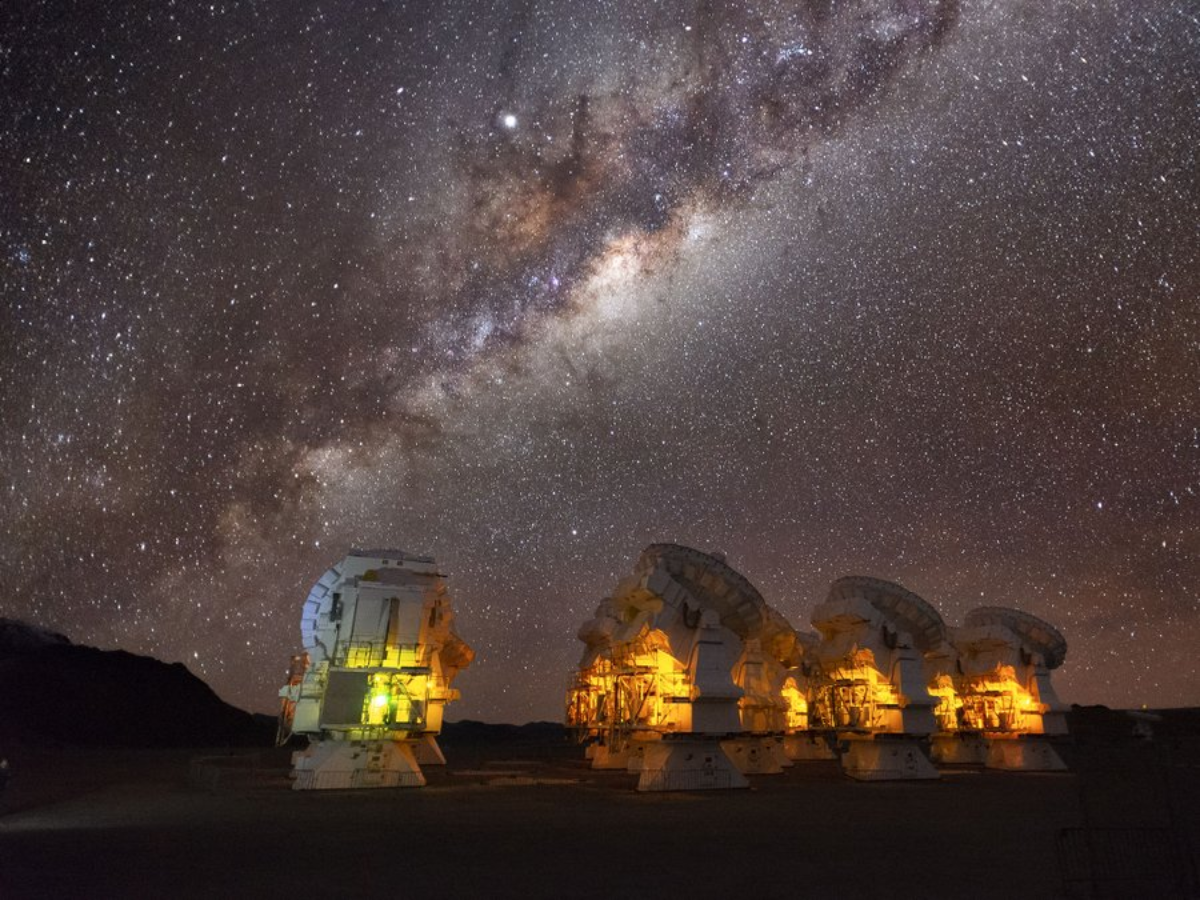
Atacama Large Millimeter/submillimeter Array
ALMA will have a total of 66 very precise antennas working as a power radio observatory. It will explore cold gas clouds, dust and the birthplaces of stars and planets at a sensitivity far beyond anything previously able to do, including imaging protoplanetary disks and galactic chemistry, detecting phenomena like gas and dust clouds.
(Photo: X | National Radio Astronomy Observatory)
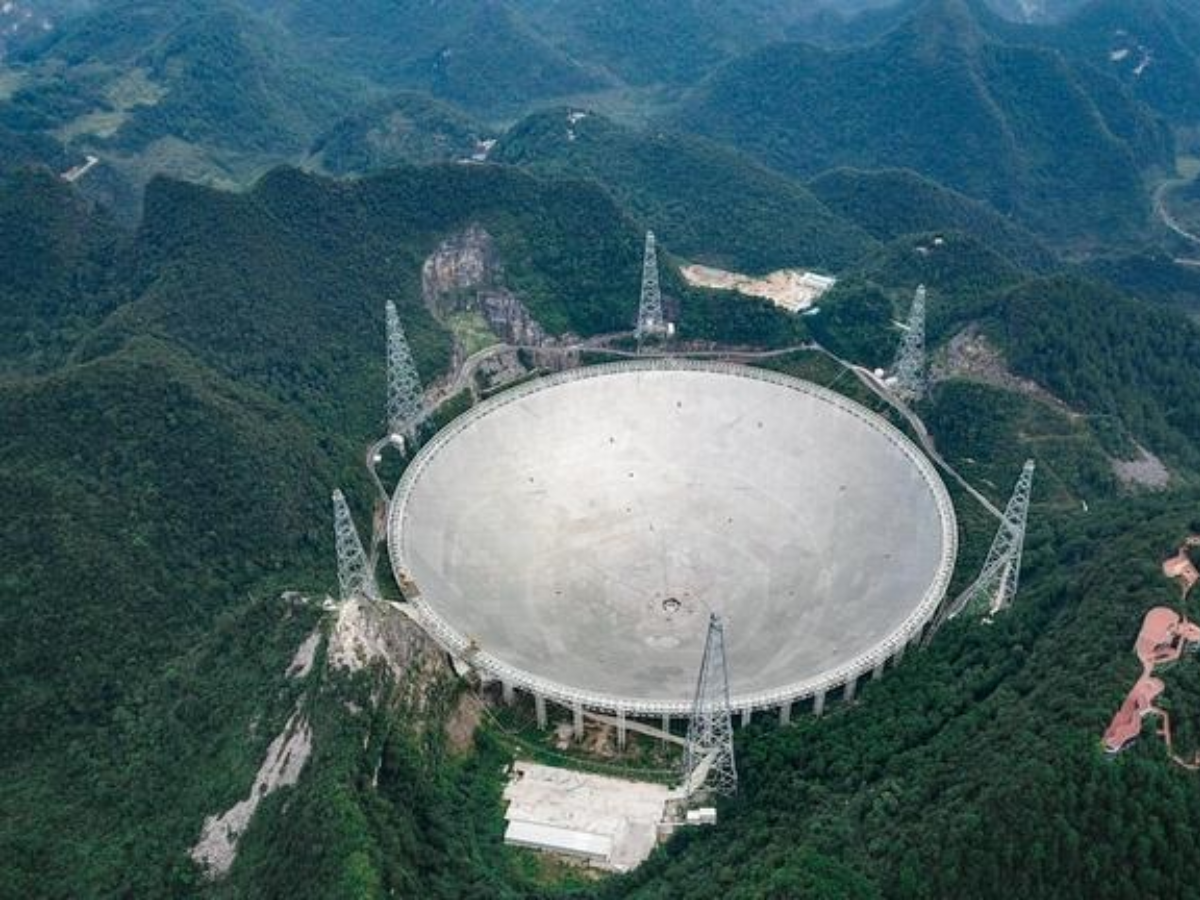
Five-hundred-meter Aperture Spherical Telescope
With FAFST, the world's most significant single-dish radio telescope, China is certainly contesting with its 500 meter dish, located in Guizhou Province. Its active surface along with an antenna of steerable types can probe pulsars, cosmic signals and phenomena between the stars at very high sensitivity measurement-making it stands out in radio astronomy.
(Photo: X | China Science)
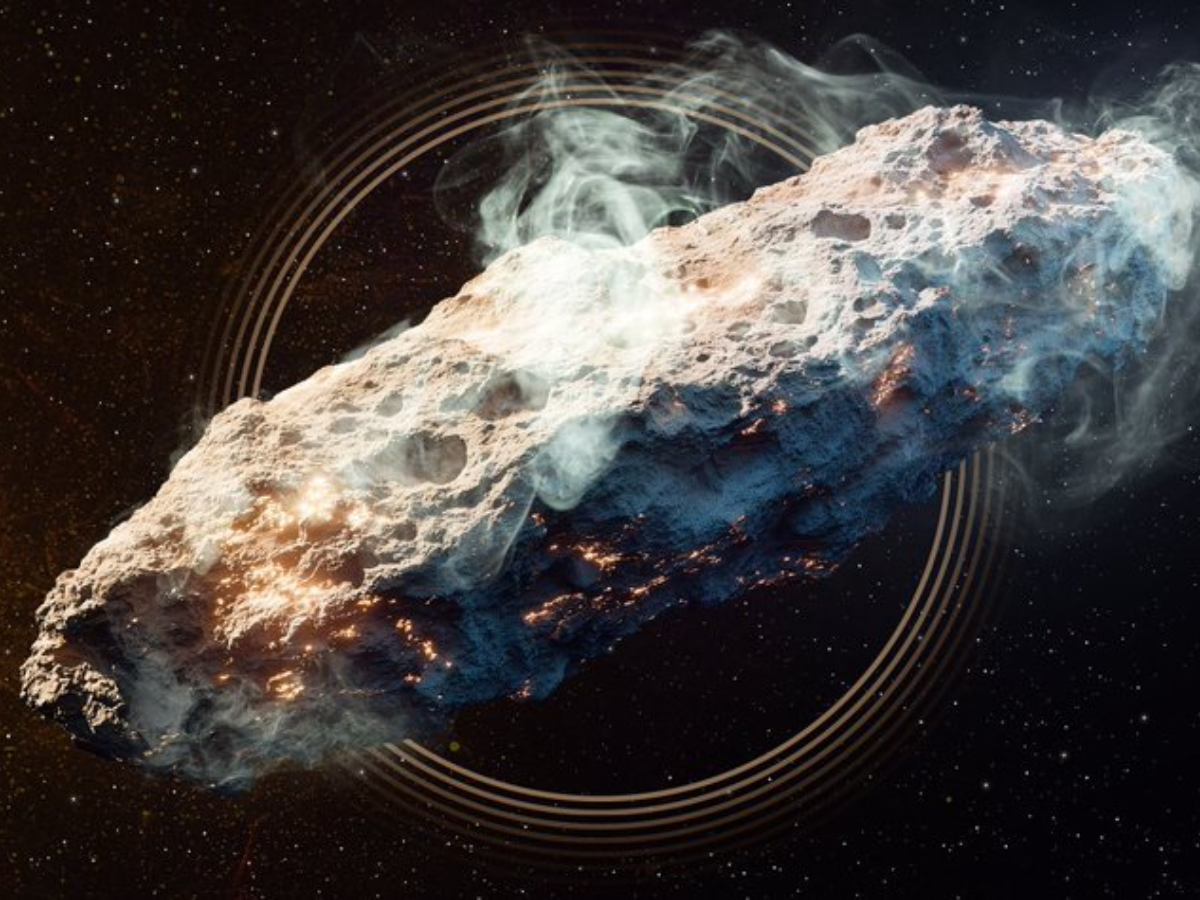
Very Large Telescope
The VLT, which is operated by the ESO, consists of four Unit Telescopes of 8.2 meters each combined together in the Atacama Desert of Chile. Its unique resolution-through individual or combined (interferometric) observations allows VLT to visualize exoplanets in their direct imaging and track stars near a central black hole of the Milky Way.
(Photo: X | TRUTHPOLE)
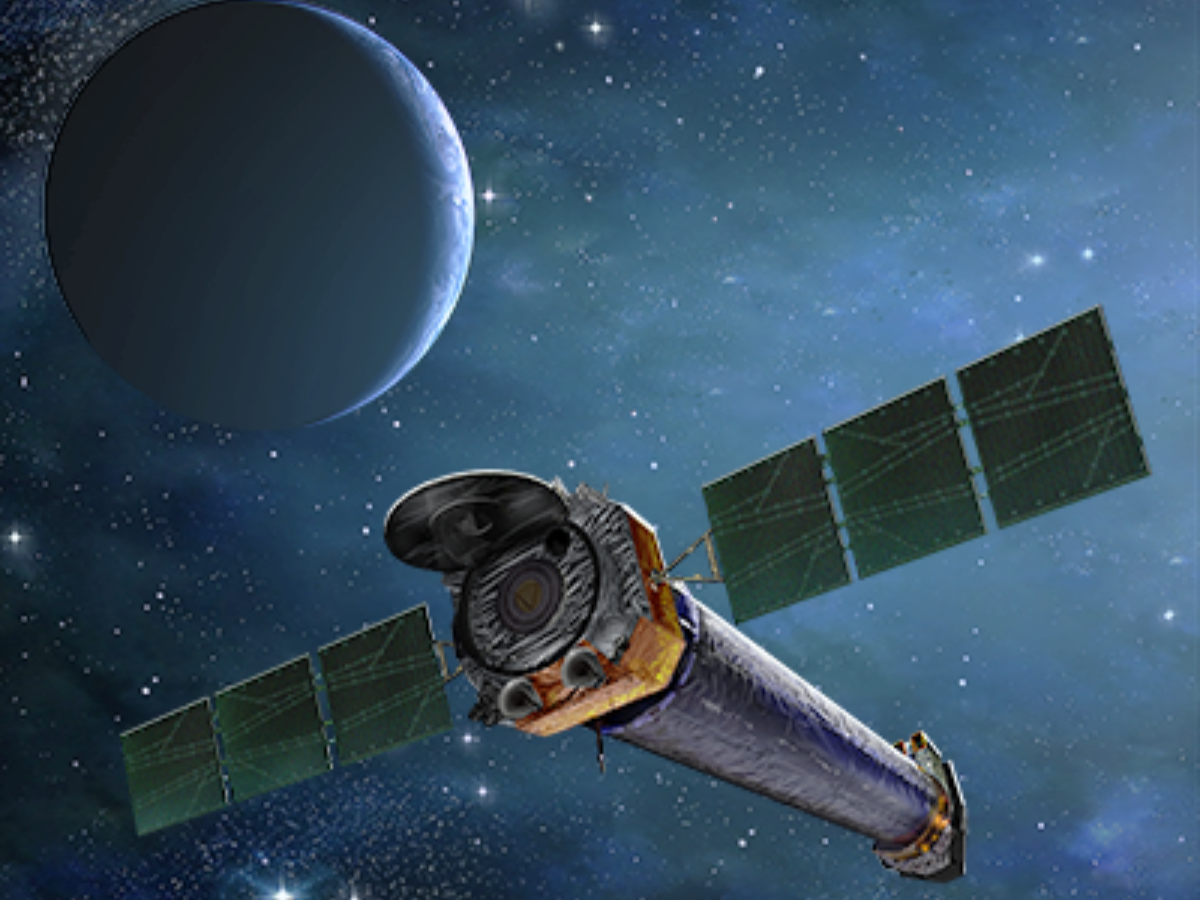
Chandra X-ray Observatory
Launched in 1999, NASA's Chandra Observatory is, to this very day, a world authority in X-rays. The effects of this very high capacity allow the probing of regions near black holes, stellar explosions, energetic magnetic fields bringing forward sights on what those most violent events in the universe are.
(Photo: X | Chandra Observatory)
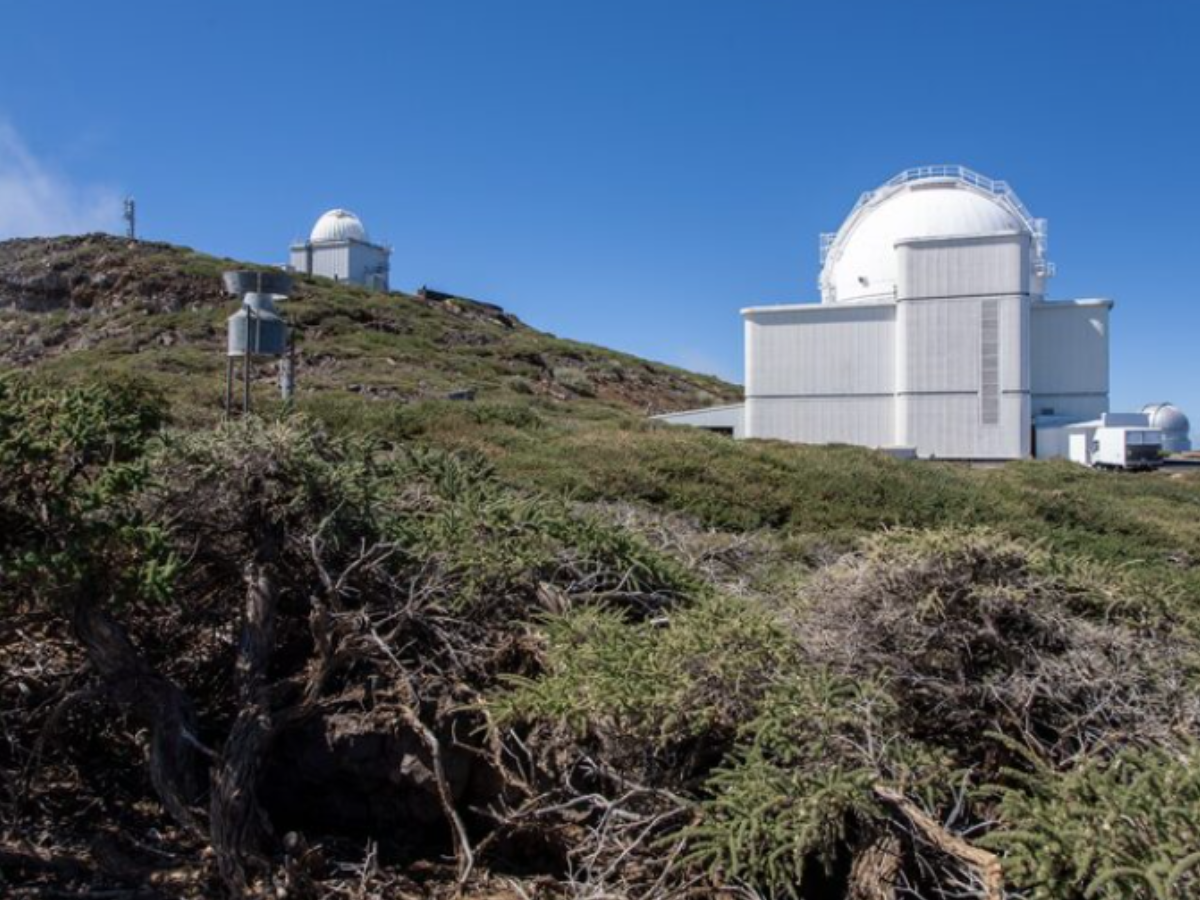
Magdalena Ridge Observatory Interferometer
The MROI in New Mexico is an array of telescopes working in conjunction and employing interferometry to combine the light coming from multiple apertures to produce high angular resolution images of stars and dust disks, among other celestial objects. This was achieved using optical astronomy into new precision territory.
(Photo: Freepik)




