

Astronomers Unlock Black Hole Secrets Using Rare Double-Lensing
Astronomer breakthrough by informing them that they have achieved the unprecedented use of double gravitational lensing and Studied a supermassive black hole. This technique uses the natural telescope to enable the scientists to magnify faint signals so that they can probe regions that are close to the event horizon and test Einstein’s general relativity while mapping galaxies surrounding these giants. Such observations go beyond showing how black holes affect their environment; they stretch the boundaries of our understanding of spacetime and cosmic evolution. Exposing double-lens will be a special sneak preview into the secret passages of the universe that promise future discoveries.
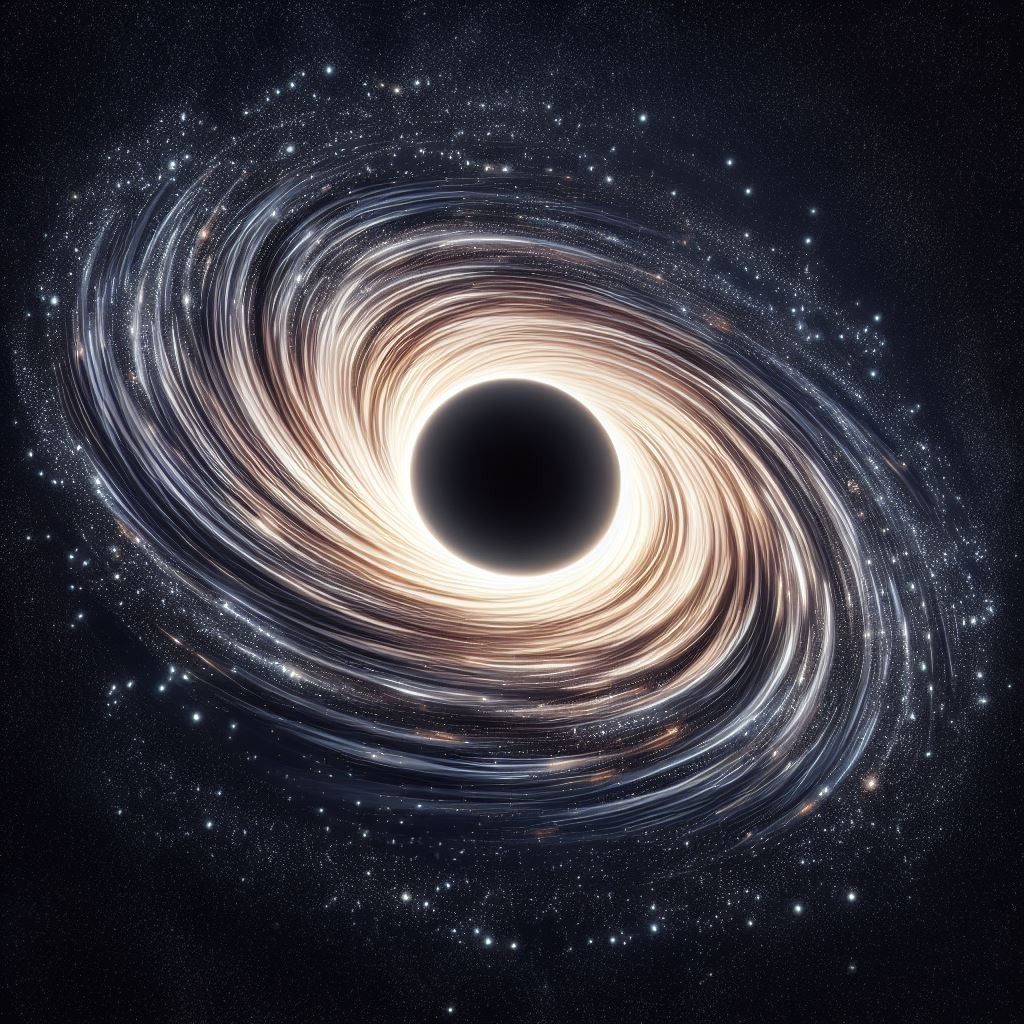
Double-Lensing: A Cosmic Magnifying Glass
Double gravitational lensing occurs when light passes through two massive objects before reaching Earth. This cosmic magnifying effect provides a clearer view of distant phenomena, such as black holes, quasars and galaxies. Astronomers are now using this technique to unlock new details about a supermassive black hole’s structure and influence.
(Photo: Pinterest)
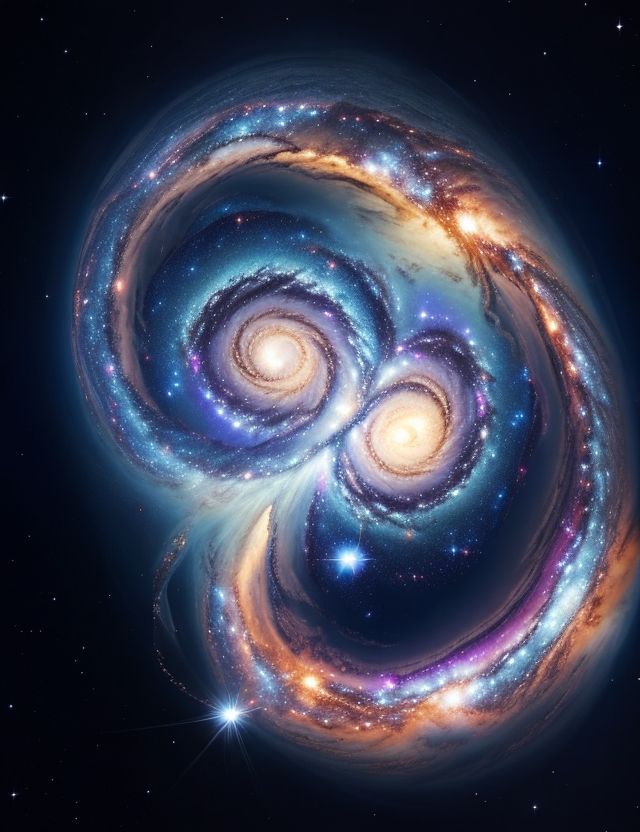
Peering Into a Black Hole’s Heart
The event horizon is the boundary where light can no longer escape a black hole’s gravity. Through double-lensing, astronomers amplify faint signals from material orbiting close to this frontier. This allows them to study processes like matter accretion, plasma jets and gravitational distortions that define a black hole’s extreme environment.
structure and influence.
(Photo: Pinterest)
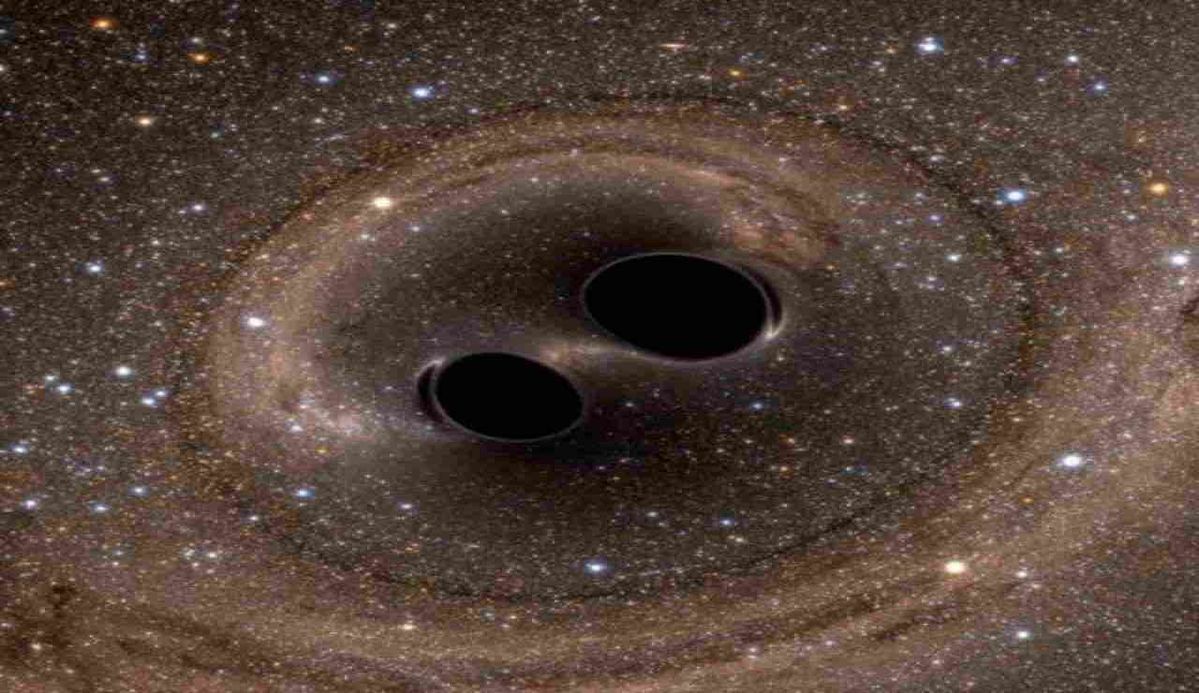
Testing Einstein’s Theory of Relativity
General relativity predicts how light bends in strong gravity. Double-lensing lets astronomers observe this bending twice, offering a precise test of Einstein’s century-old theory. Data gathered from black hole studies strengthens our understanding of spacetime, gravity and the very fabric of the universe, challenging physics at its most fundamental level.
structure and influence.
(Photo: Pinterest)
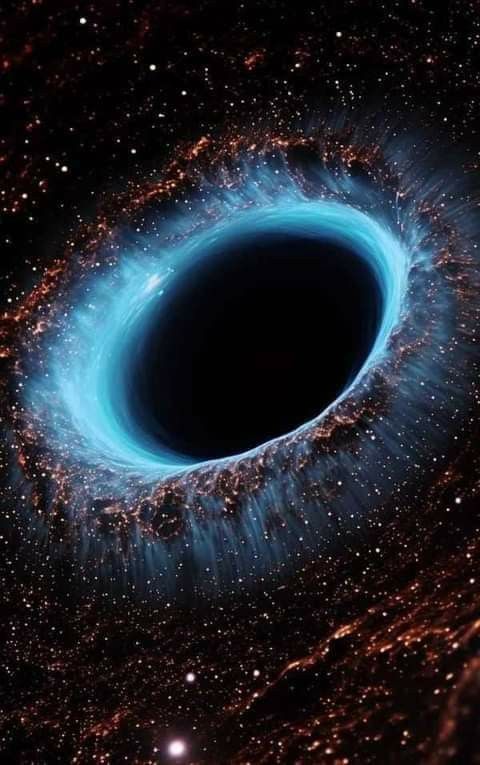
Mapping a Black Hole’s Surrounding Galaxy
Beyond the black hole itself double-lensing captures light from stars and gases orbiting in its host galaxy. These observations uncover how black holes feed on their surroundings, regulate galaxy growth and drive cosmic evolution. Astronomers can map structures otherwise invisible, connecting black hole activity with large-scale galactic processes.
structure and influence.
(Photo: Pinterest)
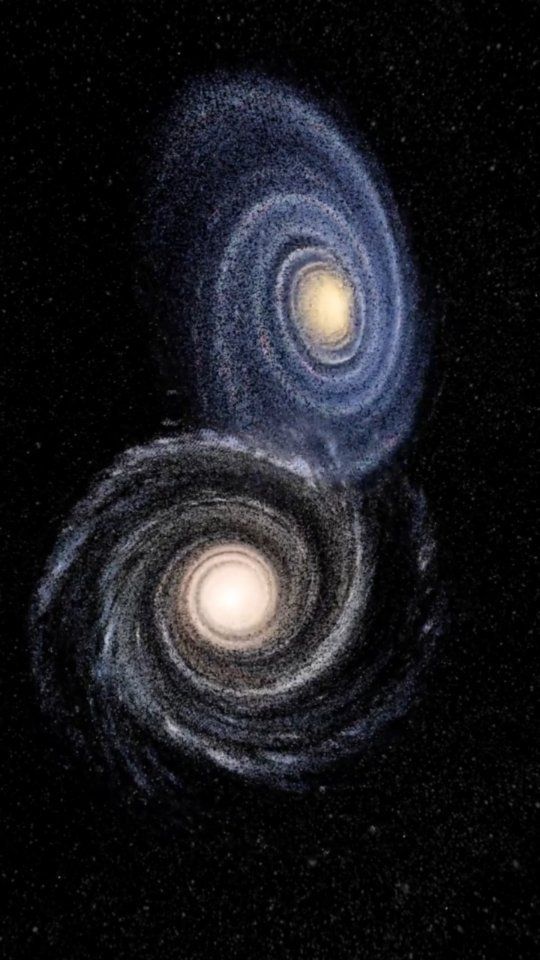
A Rare Natural Alignment in Space
For double-lensing to occur multiple massive objects must align perfectly with Earth and the target black hole. Such alignments are rare, offering astronomers a unique but fleeting opportunity to study distant cosmic giants in unparalleled detail. Each observation becomes a once in a lifetime window into the hidden universe.
structure and influence.
(Photo: Pinterest)
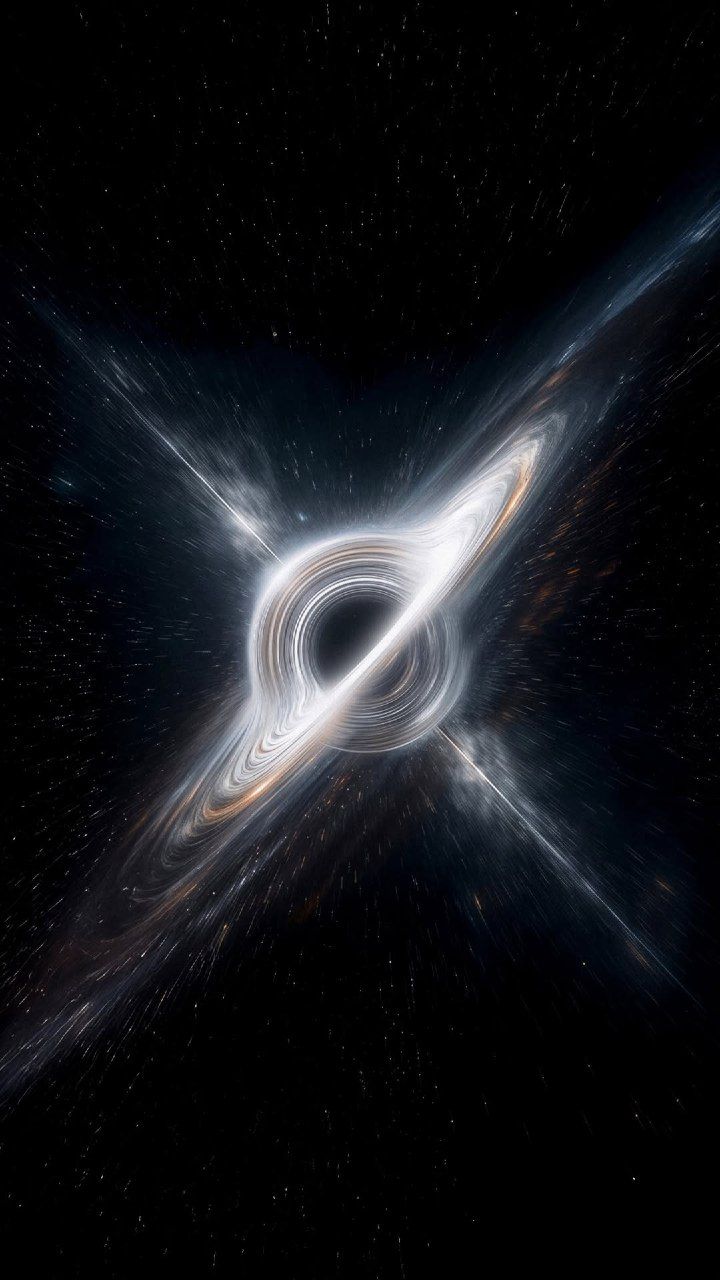
Paving the Way for Future Discoveries
By refining double-lensing techniques, astronomers open doors to uncovering even more distant black holes, galaxies and cosmic structures. These studies could revolutionize astrophysics, shedding light on dark matter, galaxy formation and the origins of the universe itself. Each discovery strengthens humanity’s quest to understand its cosmic place.
structure and influence.
(Photo: Pinterest)




