

7 Most Beautiful Nebulae Captured by NASA’s James Webb Telescope
The NASA James Webb Space Telescope is giving stunning views of nebulae that represent vast cosmic nurseries where stars are born and die. From the fiery red clouds of the Cat’s Paw Nebula to the distinct and recognizable outline of the Horsehead Nebula, these images capture the beauty and enigmas of the universe. Nebulae like the Butterfly, Crab and Serpens demonstrate how stellar evolution impacts galaxies. Each glowing cloud of dust and gas tells the story of birth, death and transformation, serving as a reminder of the grandness and complexity of the Universe that lies beyond Earth.
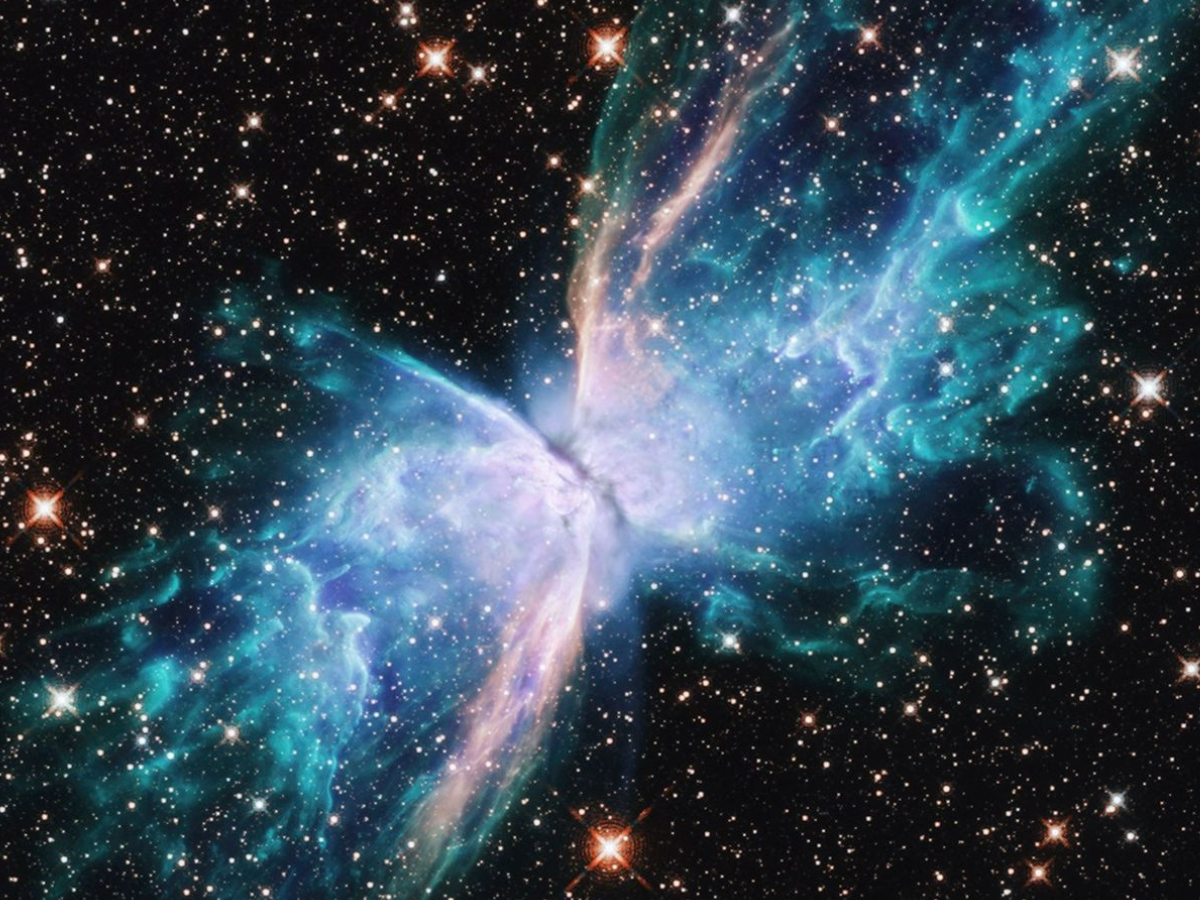
Butterfly Nebula NGC 6302
The Butterfly Nebula (NGC 6302) is a planetary nebula formed from a dying star’s outer layers, creating its iconic wing like shape. With vast twin lobes of glowing gas.
(Photo: NASA)
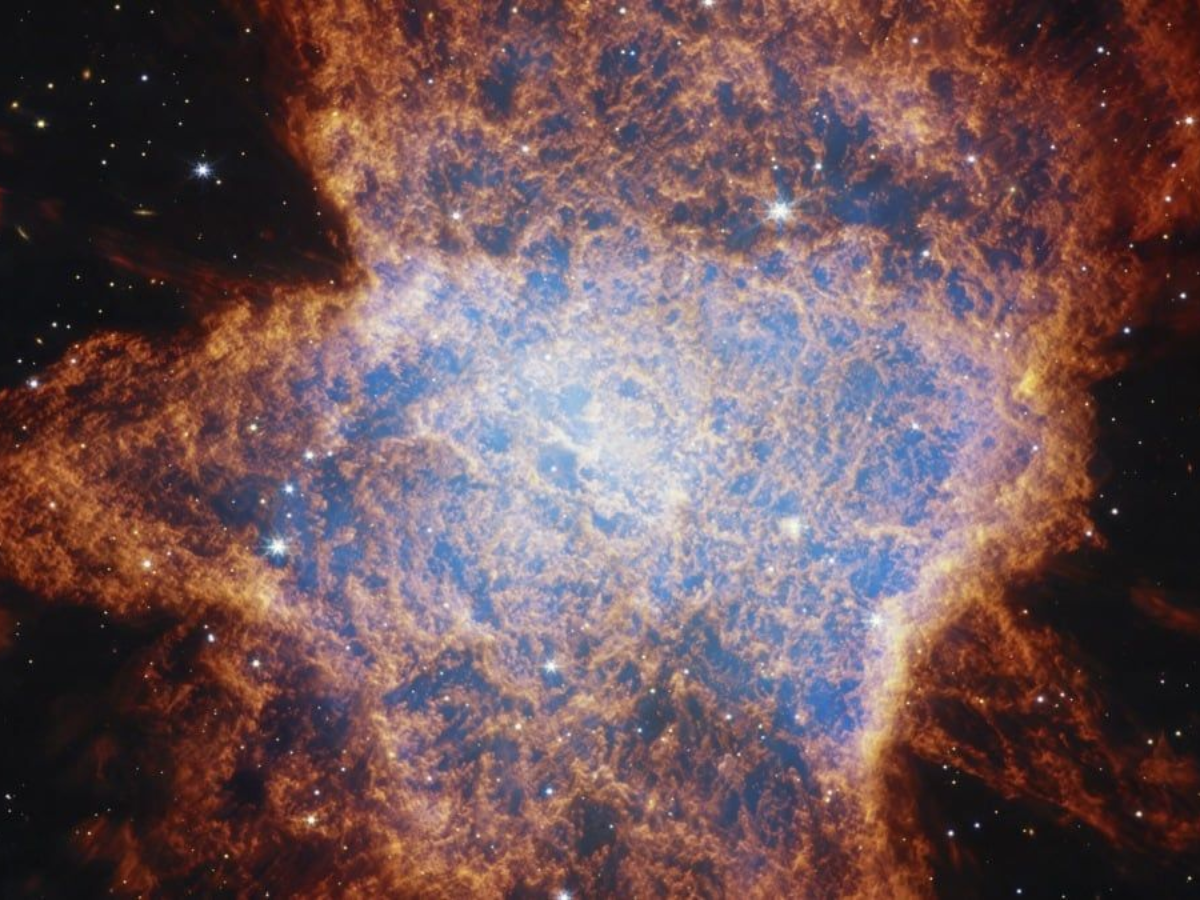
Layers of NGC 6072
NGC 6072 nebula displays layered shells of gas expelled over time. Each glowing ring captures a stage in the dying star’s transformation, leaving behind a striking planetary nebula.
(Photo: NASA)
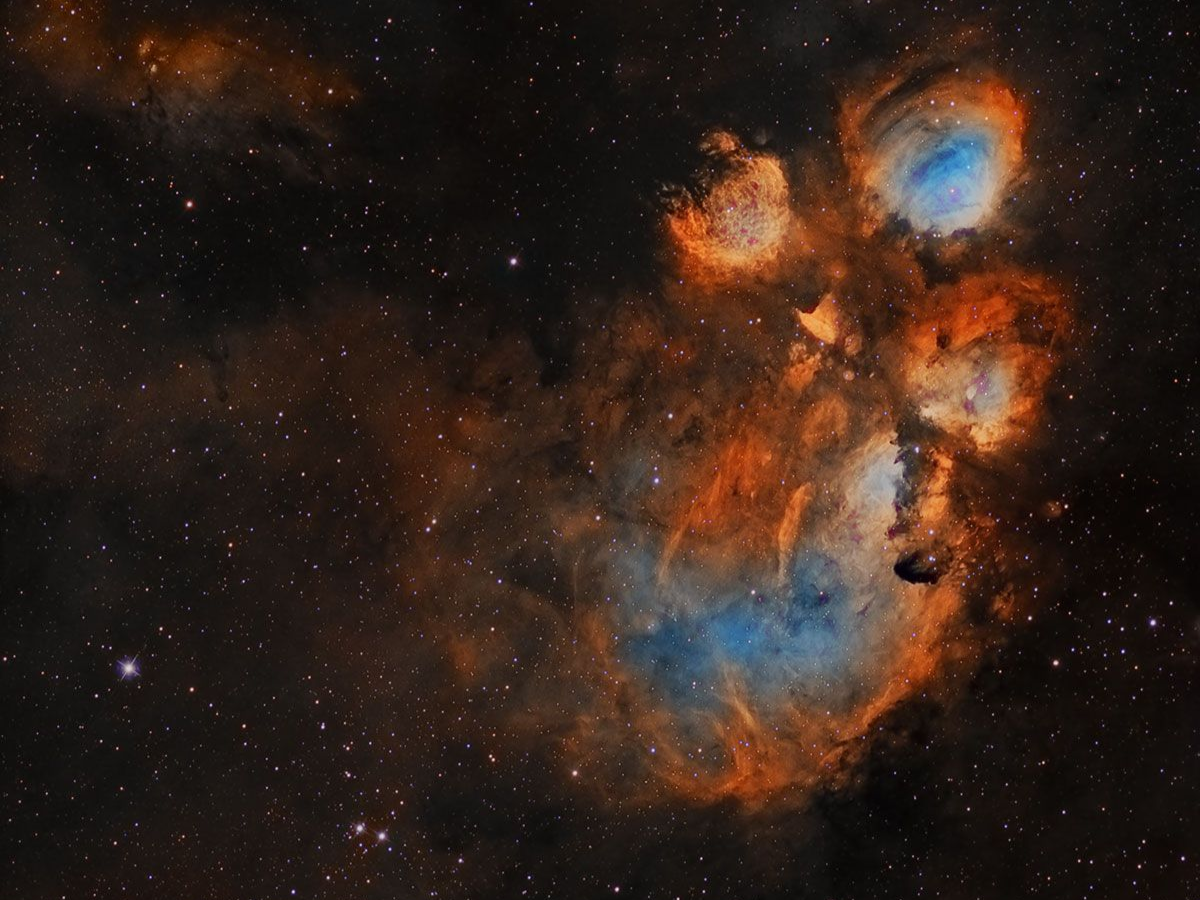
Cat’s Paw Nebula
Cat’s Paw Nebula resembling a giant paw, this nebula’s fiery red clouds mark areas of intense star birth. It’s among the Milky Way’s most active stellar nurseries, glowing brilliantly in infrared.
(Photo: NASA)
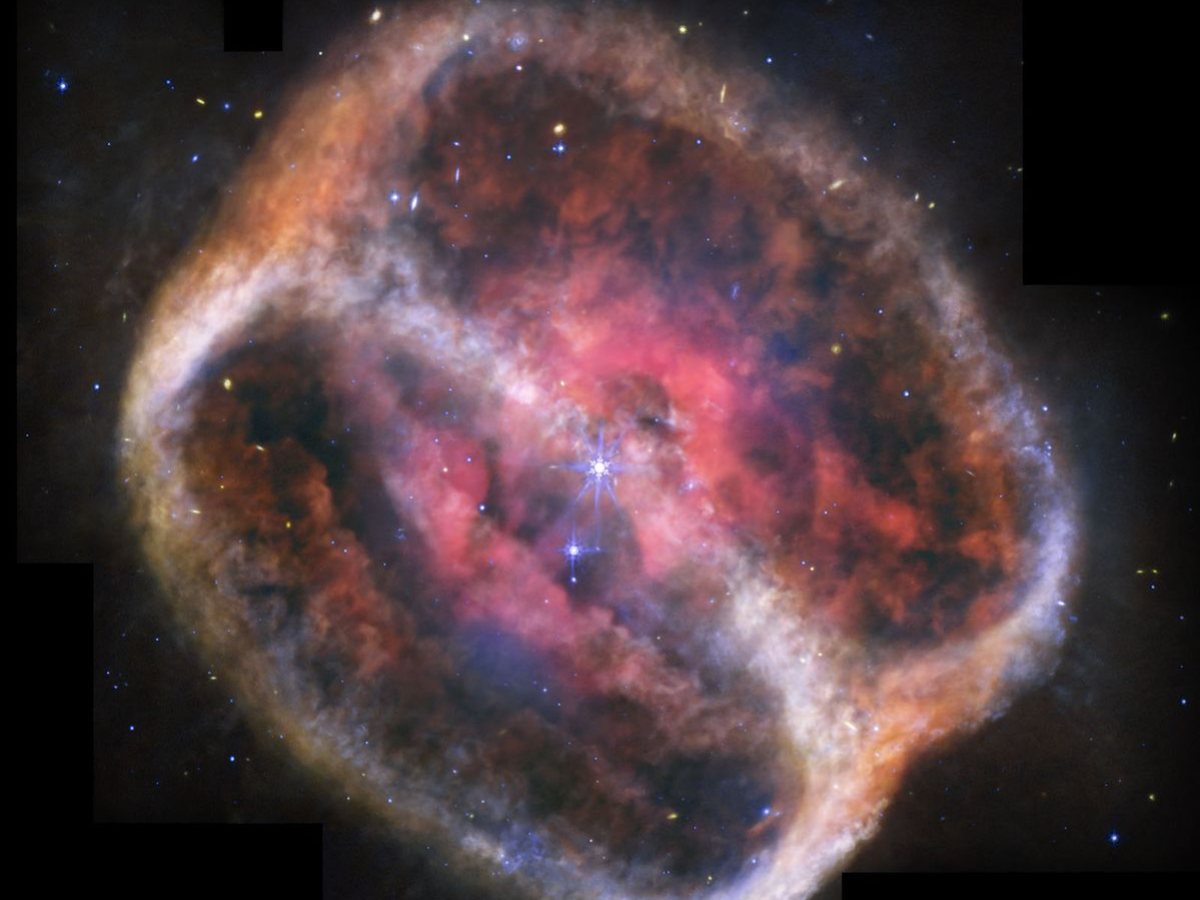
Planetary Nebula NGC 1514
The Crystal Ball Nebula (NGC 1514) glows with luminous shells of gas and dust. Its layered spheres reflect a dying star’s energy in brilliant cosmic symmetry.
(Photo: NASA)
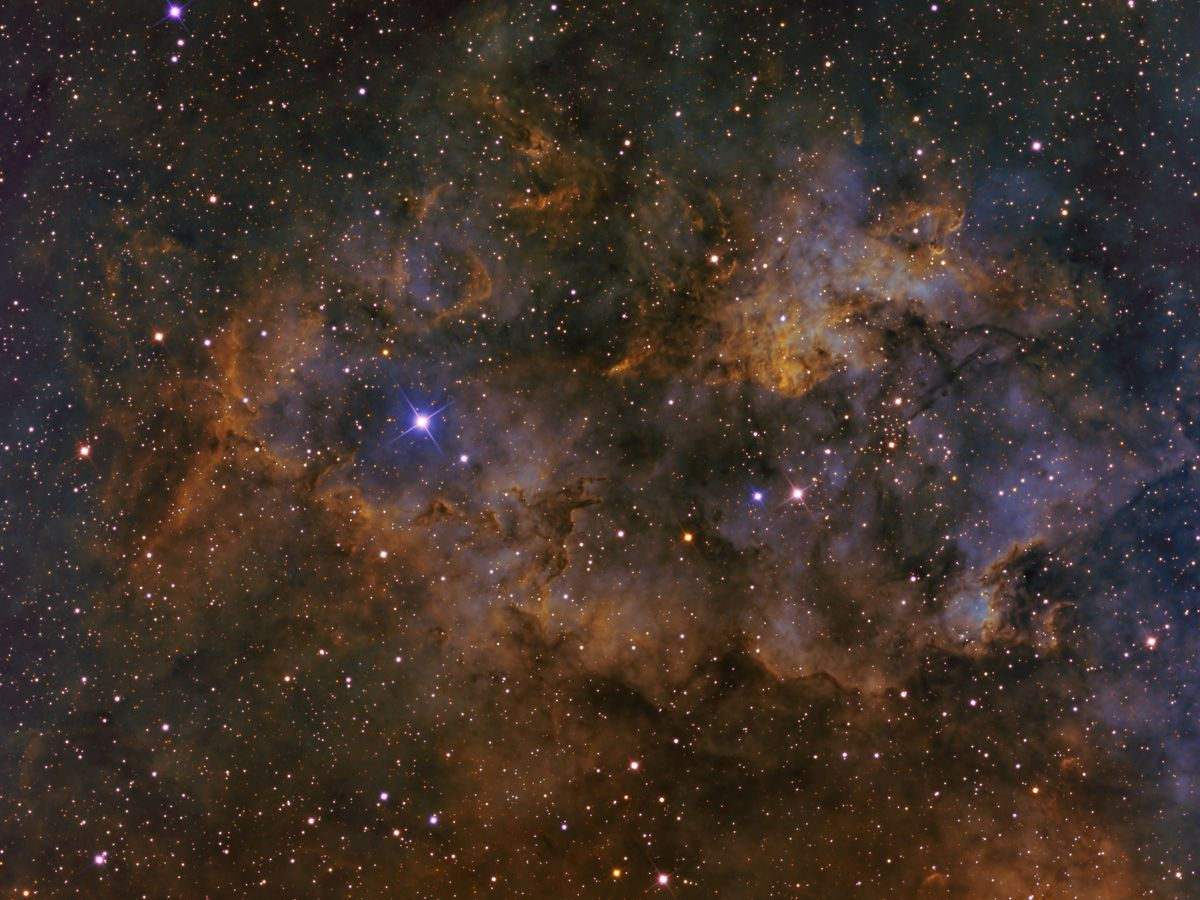
Serpens Nebula North
The Serpens Nebula North is a birthplace of stars. Dark dust clouds obscure parts of the view, but infrared imaging reveals newborn stars breaking through the cosmic veil.
(Photo: NASA)
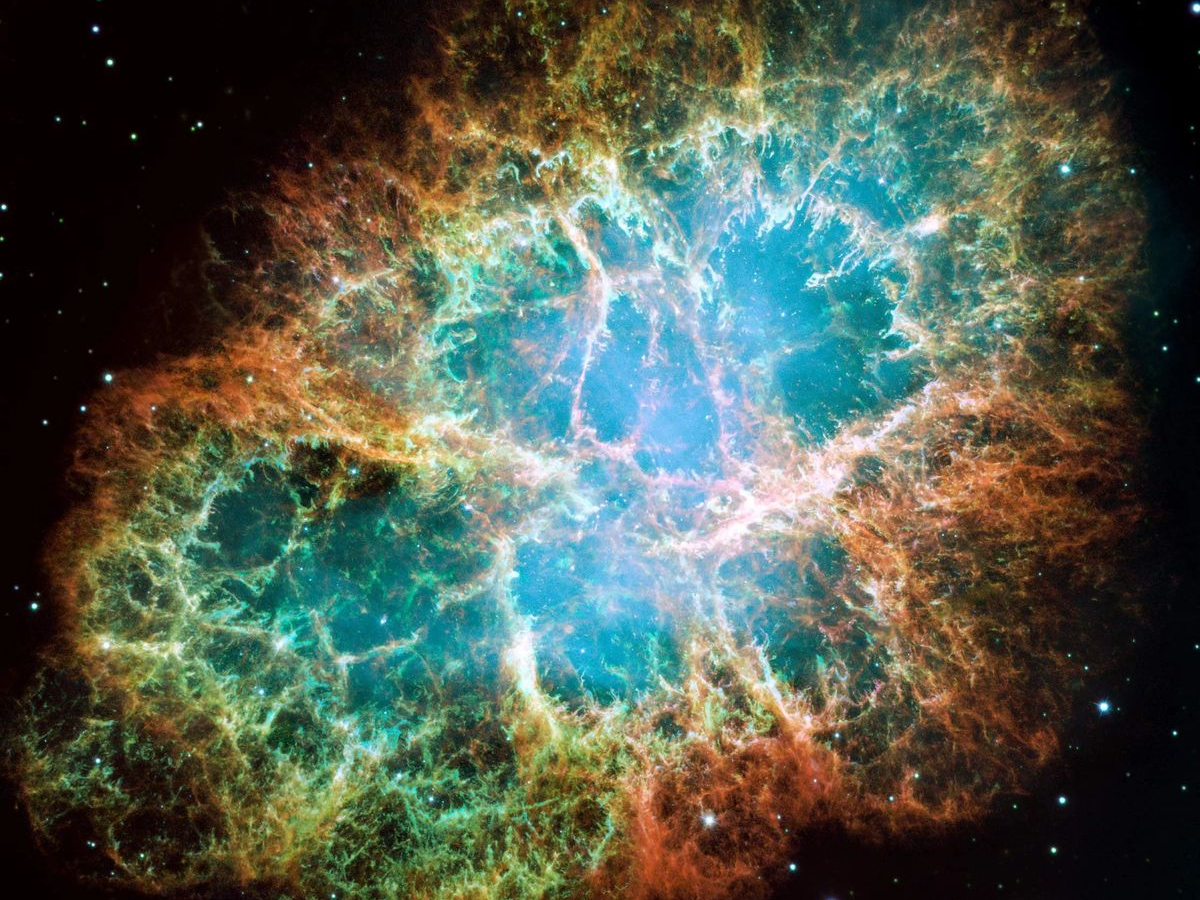
The Crab Nebula
Born from a supernova observed in 1054 AD, the Crab Nebula glows with intricate filaments. At its heart, a pulsar star powers its radiant and ever-expanding energy.
(Photo: NASA)
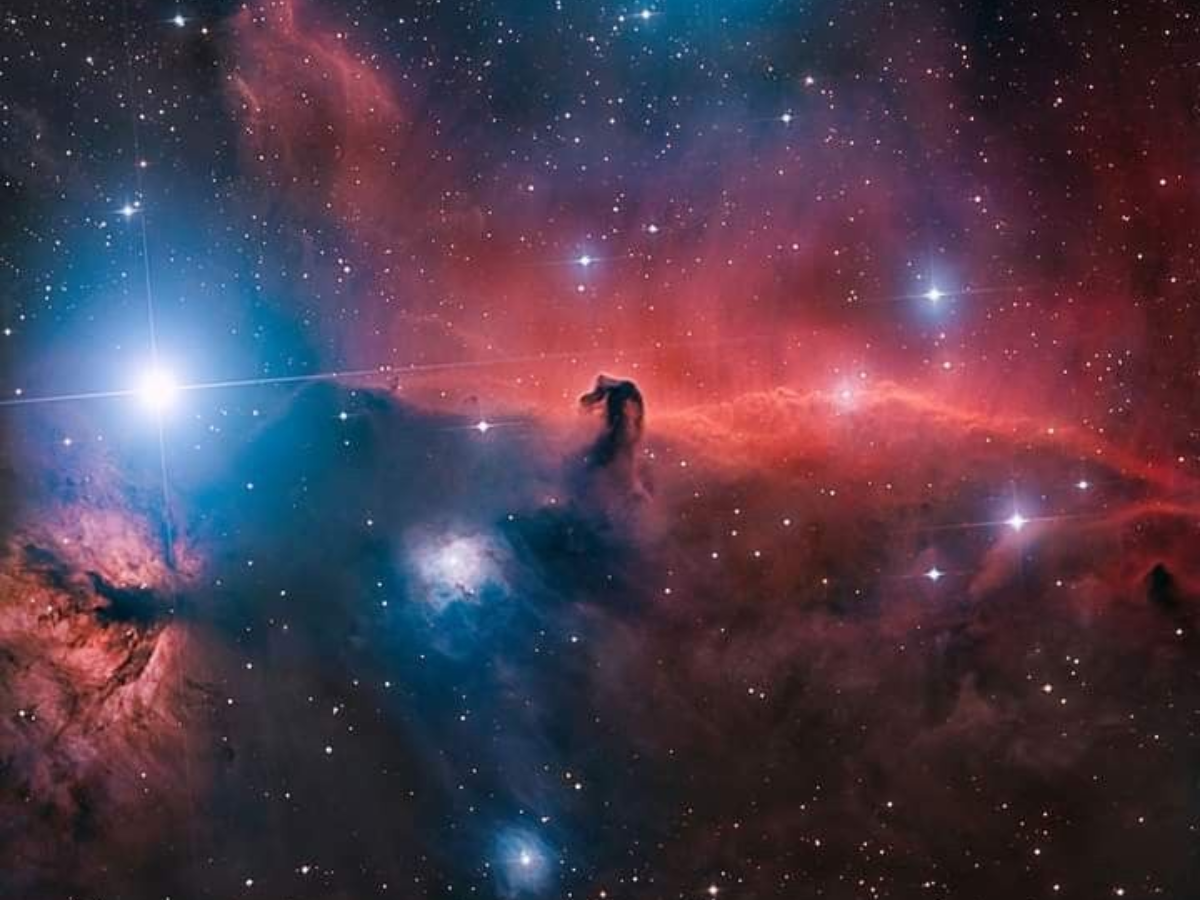
Horsehead Nebula
Rising from the Orion constellation, the Horsehead Nebula’s iconic shape is carved by cosmic winds. Its dark form is framed by glowing hydrogen gas, creating a stellar masterpiece.
(Photo: NASA)




