

10 Stunning Views of Earth from Space Captured by NASA
The jaw dropping views that NASA produces from its satellites show the natural wonders of the Earth rivers carving two-mile deep canyons into the land mass spawning phytoplankton that turn oceans into a different hue. These images give a remarkable perspective on phenomena such as seasonal changes, fires and atmospheric haze all changing with respect to the ecosystems and climate of our planet. From freeze frames of Arctic River confluences to the smoke emanating from agricultural burning in India and every picture amazing articulates the balance between the environment of the Earth and its human perturbation. Such perspectives are breathtaking reminders of a planet with infinite complexities and upon which health it is necessary to monitor with the benefit of space technology.
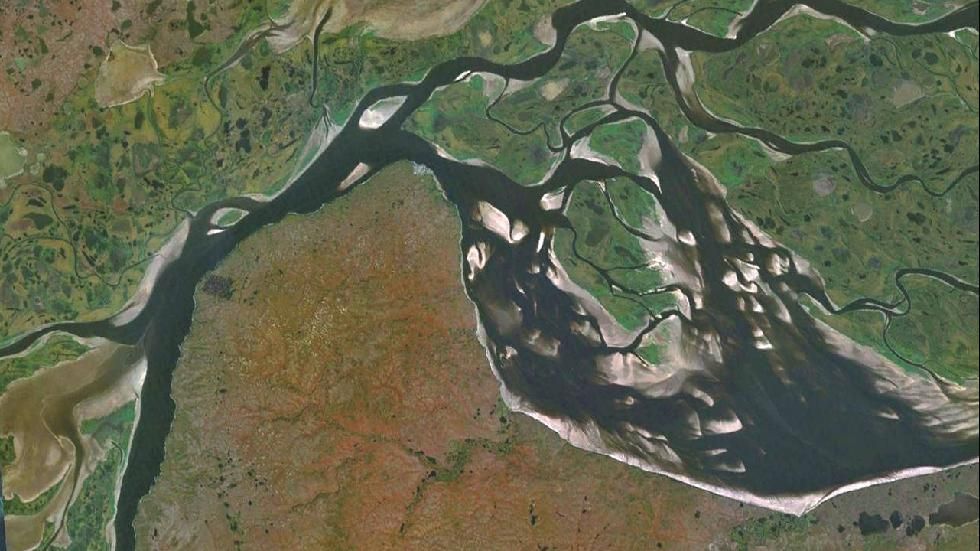
Yarlung Zangbo River – World’s Highest Major River
The Yarlung Zangbo River, winding through the Tibetan Plateau, boasts an average elevation of 4,000 meters. It runs through the world’s deepest land canyon, showcasing dramatic topography shaped by nature’s forces over millennia.
(Photo: NASA)
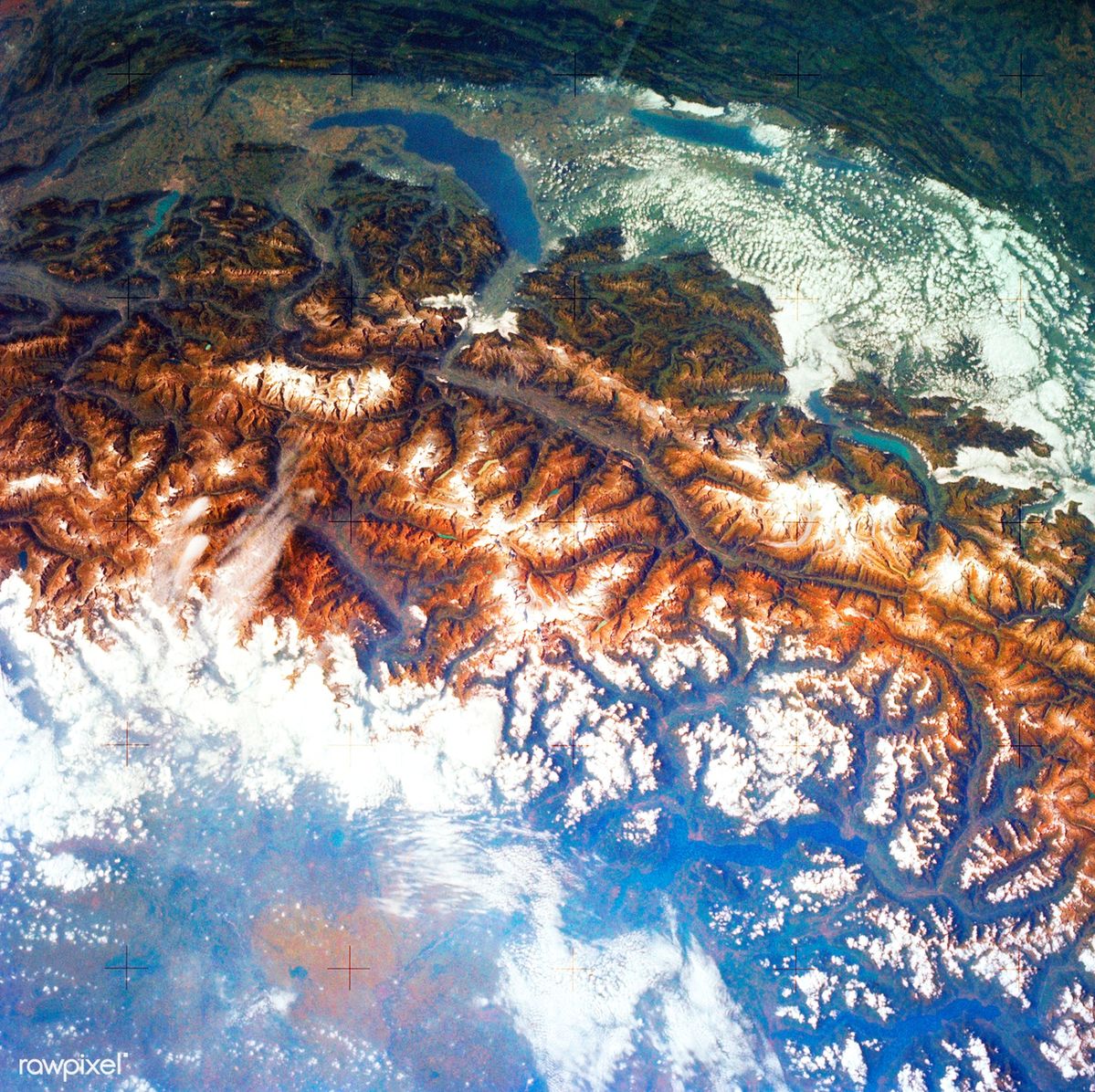
Haze Over the Mediterranean & Snowcapped Alps
Snow covered Alps stunning view of the Mediterranean highlights the crisp white snow on the Alps, juxtaposed with clouds and atmospheric haze. These variations provide insight into weather patterns and air quality in the region.
(Photo: NASA)
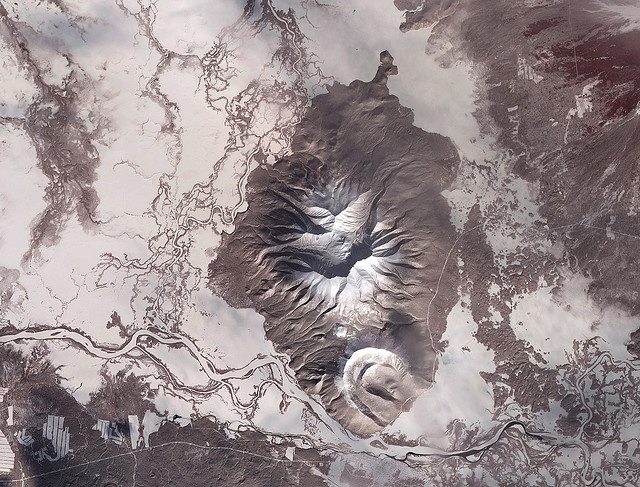
Kamchatka Peninsula’s Vast Landscape
The Kamchatka Peninsula is a massive landform characterized by volcanic peaks, vast forests and coastal plains. Its length exceeds 350 kilometers, making it one of the most geographically diverse areas in Russia’s Far East.
(Photo: NASA)
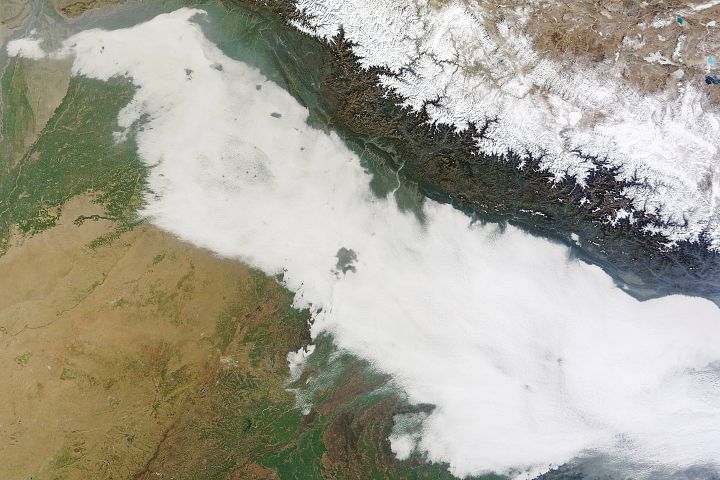
Smoke Rising Over the Indo-Gangetic Plain
Post harvest field burning in the Indo-Gangetic Plain releases dense smoke, affecting air quality. This seasonal activity is common but raises environmental and health concerns in the densely populated region.
(Photo: NASA)
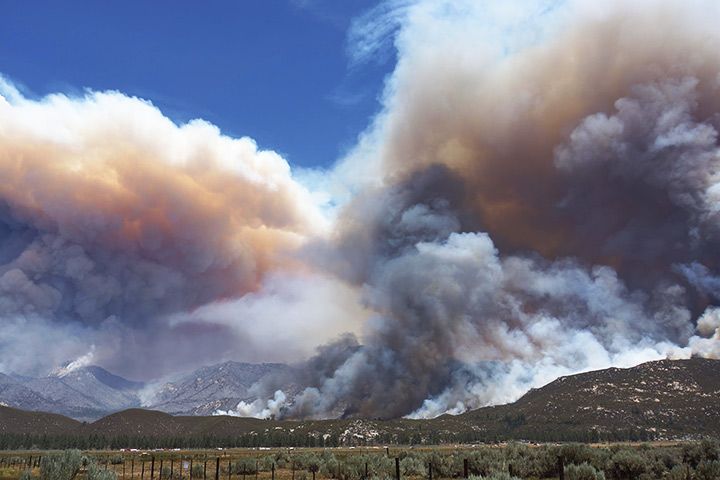
Southern California Forest Fires Ignite Convective Clouds
On September 9, 2024, wildfires in Southern California generated intense heat, causing puffy convective clouds to form. These fires pose threats to ecosystems and communities while influencing local weather patterns.
(Photo: NASA)
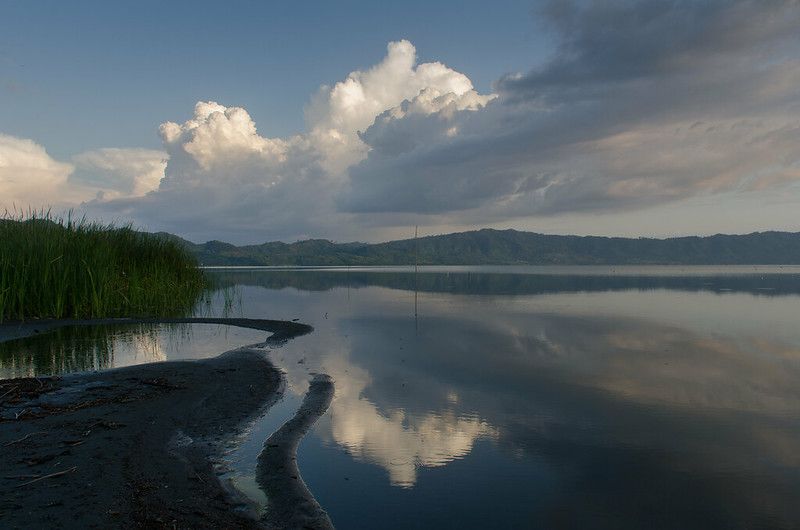
Seasonal Phytoplankton Shifts in Lake Bosumtwi
Lake Bosumtwi’s color varies with phytoplankton growth, which depends on seasonal factors like sunlight and temperature. Human impacts like pollution also affect these tiny aquatic plants crucial to the lake’s ecosystem.
(Photo: NASA)
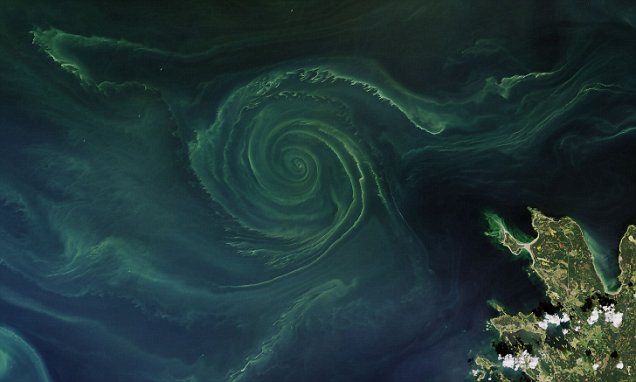
Ocean Swirls Fueled by Chlorophyll Blooms
Phytoplankton blooms, visible as green swirls from space, are essential in sequestering carbon dioxide. These microscopic plants form the base of marine food webs and help regulate Earth's climate through carbon absorption.
(Photo: NASA)
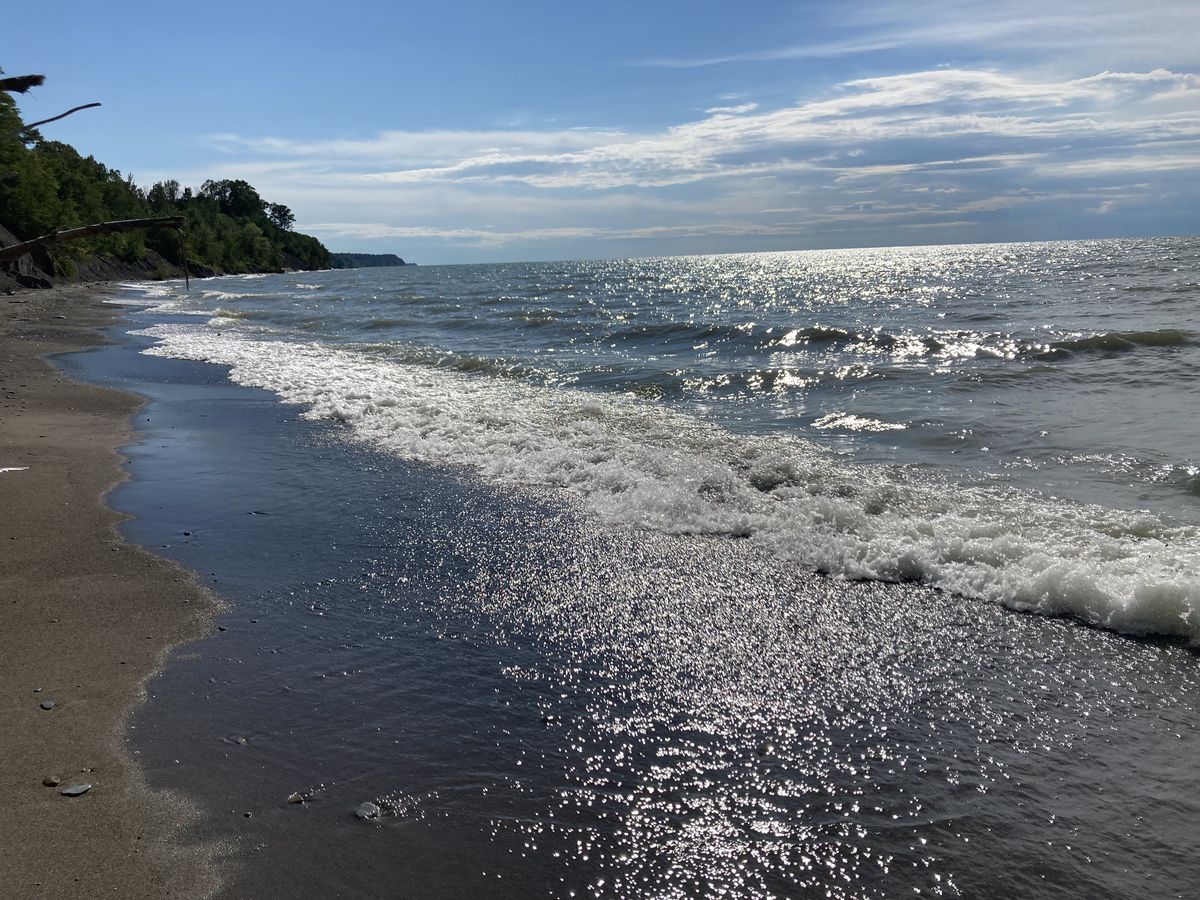
Thawing and Blooming in Lake Erie
Diatoms dominate Lake Erie’s seasonal blooms, filtering pollutants and supporting fish and other aquatic species. Their abundance fluctuates with temperature and nutrient availability, reflecting the lake’s health.
(Photo: NASA)
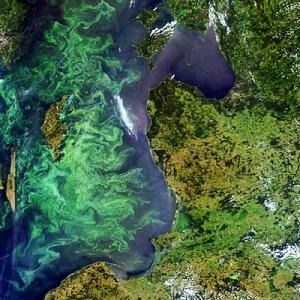
Baltic Sea’s Explosive Phytoplankton Bloom
The Baltic Sea experiences large phytoplankton blooms that influence marine productivity and water quality. These blooms are driven by nutrient input from rivers and agricultural runoff, highlighting human impacts on coastal.
(Photo: NASA)
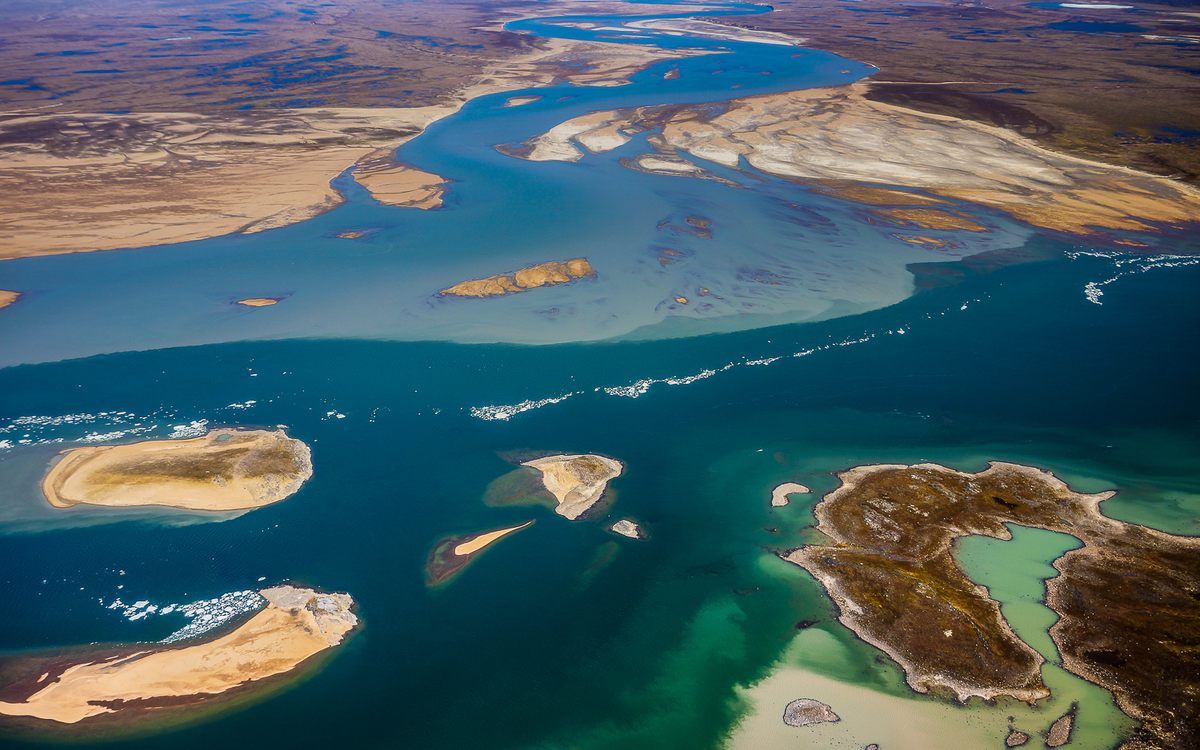
Rivers Meet but Don’t Mix: Arctic Confluence
At this Arctic confluence, two distinct rivers flow side-by-side without blending due to differences in temperature, sediment load and density. This rare occurrence reveals complex hydrodynamics in cold environments.
(Photo: NASA)




