I still remember those school days when my dad used to take me to museums. I used to feel that museums were boring, whereas my dad used to be so fascinated by looking at the objects. I often did not like to visit them because I never understood the importance of those objects that had the ability to make people travel through time. Apart from this, the chances of having a person who could explain those objects are rare among them. I am not complaining about the absence of curators, but their sparing time to explain things is low.
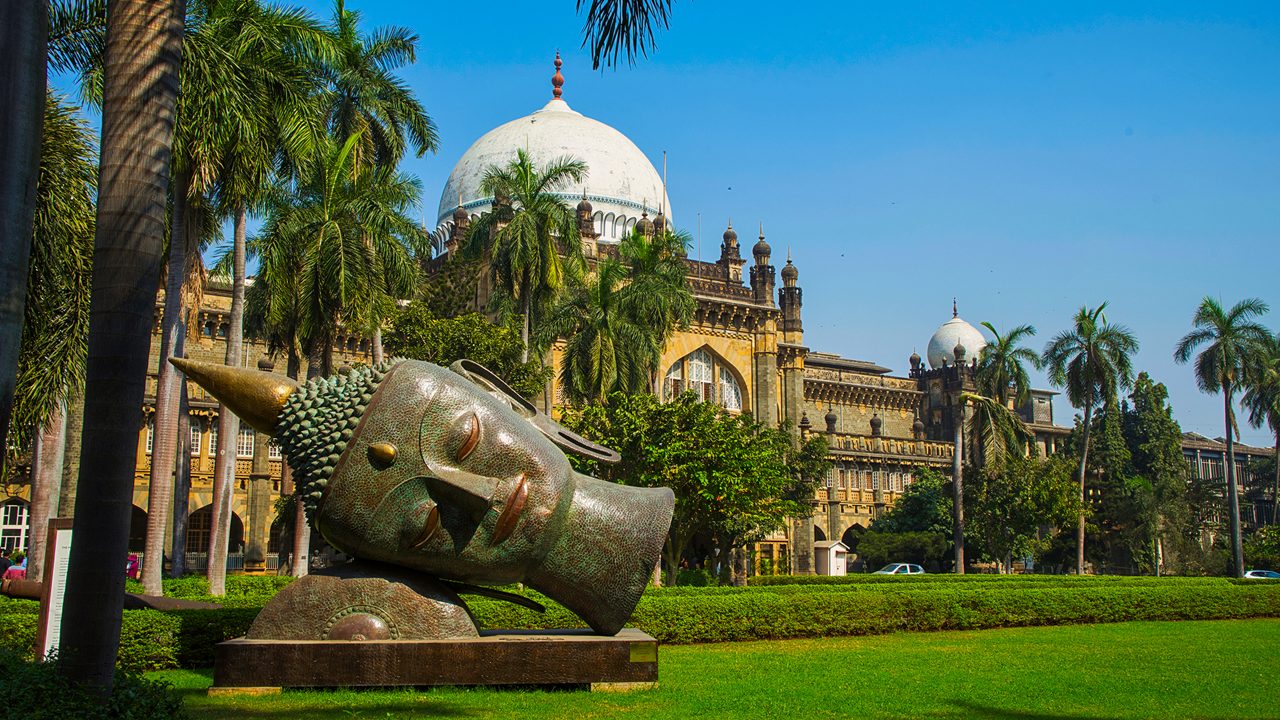
Recently, I was invited to attend a workshop that was organised by Chhatrapati Shivaji Maharaj Vastu Sangrahalaya, Mumbai. When I was invited to the workshop, I was least interested in going there. The first reason was that I stayed in Jammu, and travelling from here was quite hectic. The second reason was my perspective of it being boring. With so much reluctance, I reached Mumbai by midnight. I attended the workshop the following morning. The hall was filled with youngsters from across India. After the first session, my perspective on the museums started slowly fading away. The programme was designed in such a way that we had a session first, followed by the observation of the objects on which the session was conducted.
All the members were divided into teams, and we were given a task each day, which we were supposed to present by evening. The tasks helped us to interact with the members who came from various prestigious institutions in India. Everyone had their own understanding of the objects and the history behind them, therefore leading to an enriched conversation. During the evening hours, I roamed around the museum to explore it more. One thing that I liked so much about the CSMVS museum is that they had staff who were ready to explain the objects in detail, thus piquing our curiosity further.
The museum is well-maintained, and they even have a children’s museum. The museum has many icons from ancient India. When you start looking at them, you will be able to understand the skill of those people in making such icons out of hard rock. Reading a historical book can let students imagine the situations and environments of those days, but seeing them firsthand has an entirely different impact on the mind. During the workshop, we were made to visit another museum where the name tags were missing, and the experts asked us to let our imagination and knowledge of history create those name tags. This exercise proved to be very effective since we gathered together, understood every object in detail and tried to join the dots.
After the workshop, I realised the beauty of museums and the objects within them. The museums are also an effective means of developing love towards our culture. In a westernised society like ours, the present generations have developed an affinity towards the western civilisations and barely know about our culture, and they tend to think that we are backwards in many fields, but through a museum tour, the youngsters may realise how advanced our techniques were, how innovative were our ancestors and that the culture we follow today was already there, and we are just imitating them.
A visit to a museum can inspire students to become a designer, artist, historian, anthropologist, archaeologist, etc. A teacher can imbibe knowledge into the minds of the students by showing the evidence of our culture and history through visits. The objects can make us realise the importance of the history, creativity, and curiosity of the people of ancient times, and how cultures have evolved. Even though Museums are a very effective means of imparting knowledge, their inclusion in the curriculum of students still needs to be worked on. There are many more museums in our country, whose lack of maintenance is still questionable. By using advanced technologies like AI, old museums can be made interactive so that even the layman can understand them. Conducting workshops regularly in the museums, especially for the underprivileged kids, can lead to the generation of new ideas, build skills and increase the opportunities to learn and grow. After all, our youngsters are our future and the means to build Viksit Bharat 2047.
In conclusion, my opinion towards the museums has changed, and I started to explore them more, and as an academic I am involved in creating awareness in my students about these knowledge hubs.
Dr. G.V. Snigdha Raj, Assistant Professor, Central University of Jammu.