
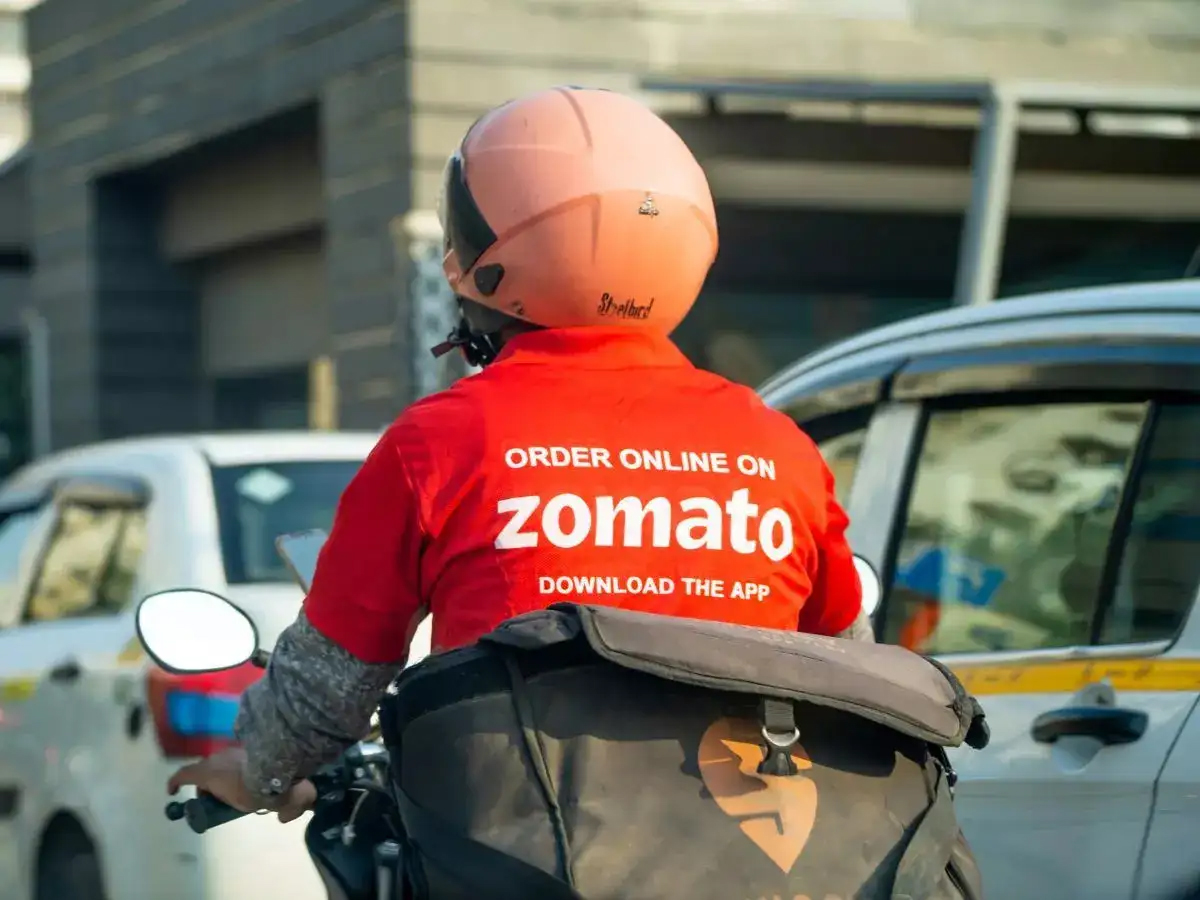
New Year’s Eve saw the face off between gig workers and quick commerce platforms spill over onto the streets. The gig workers were demanding better working conditions, a minimum wage and safer working conditions. This demand is not new for across south east asia we have seen gig workers raise these issues. Recently we saw protests in Indonesia where protestors surrounded the Presidential Palace and the headquarters of Grab and Gojek (motorcycle taxi services) demanding better working conditions and higher pay. What exacerbated the situation is that thanks to social media these workers get to see the lifestyles of the politicians and the consumers and resent the gap. It was when the Indonesian parliamentarians gave themselves a pay hike that was the last straw. The said pay hike had to be rolled back.
In India gig workers are not new. The delivery apps and home services going online are. What is a gig worker – someone who works for a monetary gain without the benefit of social security and other perks of a normal employment. This includes the carpenter who comes to your house and the security guard outside. Hence you have the Eternal CEO Deepinde Goyal wade into the debate (on twitter) claiming that these issues of better pay and working conditions already existed. It was only when these workers became `visible’ thanks to the apps and the must more frequent dependency on them that some bleeding hearts reacted. The reaction first came from the Telangana Gig Workers Union that organised the protest and it was only after this the problem got highlighted and became a topic of debate — and concern.
More regulations are definitely the need of the hour. The rights of the workers as well as their safety needs to be safeguarded. The 10-minute-delivery rule needs to be done away with. Everyone has microwaves and can reheat that pizza if need be. A person’s life should not be put at stake to deliver that within ten minutes of the order. Deepinder Goyal says that the 10 minute rule is just a slogan and no worker is penalised if the delivery is delayed more than that. Then why doesn;t he just do away with a marketing gimmick that is coming back to bite him?
However, Deepinder has raised some valid points. The main one being that this is an industry that relies on flexibility. Too much regulation can backfire. There has to be a balance that works for both, the online platforms as well as the workers. For that consultations with the stakeholders on both sides need to be done before the regulations are formulated.
Currently there are 12 million gig workers pan India of which around 3 lakh are employed by Zomato. China has 200 million gig workers. The numbers are rising so it would be wise if India acts sooner than later, especially given the fact that the gig economy is turning out to be such an employment generator.