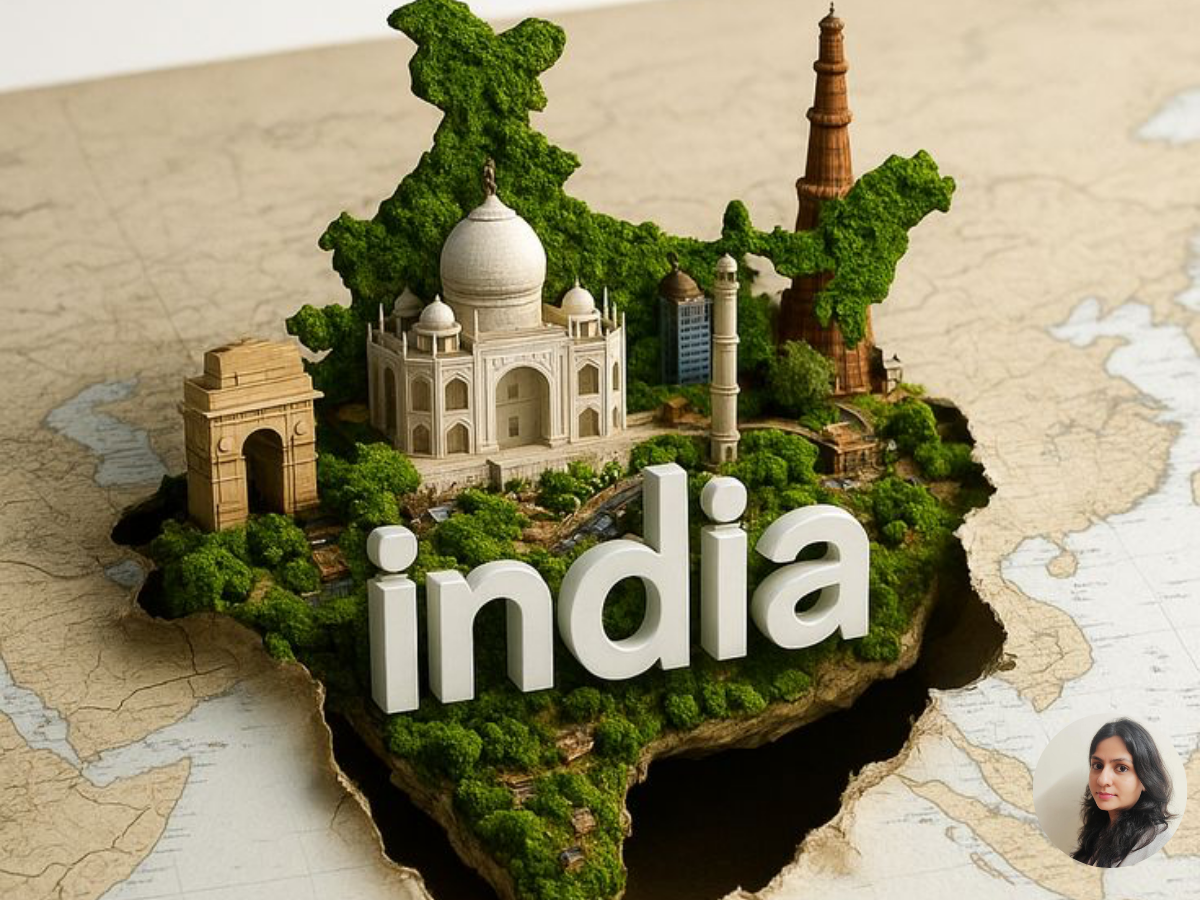
India is home to some of the world’s oldest living cultures, diverse landscapes and unparalleled civilisational heritage. Yet, even as tourism contributes nearly 10% to global GDP, India—despite its scale and diversity—captures a relatively modest share. As India works towards Viksit Bharat@2047 and sets its sights on a USD 3 trillion tourism economy, the opportunity is undeniable. The gap is not one of potential, but of strategic alignment. India has a tourism vision narrative, and the architecture to deliver it consistently is still evolving.
The Need for a Long-Term National Roadmap: Frequent reshaping and occasional recalibration of flagship schemes point to a broader structural challenge: the need for a more unified, long-term National strategy. India has several thematic strategies and sectoral policies, but tourism development often progresses through budget-linked, episodic schemes rather than a long-term, unified roadmap. This can sometimes result in fragmented investments, shifting market focus and implementation delays that dilute impact. A coherent national strategy would provide continuity, prioritisation and measurable targets—helping the Centre and states to invest together in destinations aligned with market demand, sustainability imperatives and global competitiveness—while also steering inter-ministerial coordination.
Consider cruise and nautical tourism. Globally among the fastest-growing segments, it is being actively leveraged by countries such as Japan and Thailand. With a 7,500 km coastline and proximity to Southeast Asian and Middle Eastern cruise hubs, India is well placed to integrate into regional cruise circuits. Ongoing efforts under the National Cruise Mission are promising, but a broader strategy can help prioritise destinations and create distinctive on-shore experiences that differentiate India and make it a compelling stop, not just a transit port.
Domestic Tourism Market as Primary Growth Engine: India’s most powerful tourism driver, however, is domestic travel. With nearly 2.9 billion domestic tourist visits, India is among the world’s largest domestic tourism markets. Yet trips per capita and spend per trip remain moderate. Nearly 60% of domestic visits are concentrated in very few states, suggesting both pressure and untapped potential elsewhere. At the same time, despite only 7-8% passport penetration, Indians already rank among the world’s top outbound spenders—indicating that a portion of rising travel aspirations is increasingly being fulfilled overseas.
Unlocking this demand will require distinctive, place-based offerings such as “one state or region, one signature experience” supported by better connectivity and price competitiveness. The Mahakaleshwar Temple precinct redevelopment in Ujjain, which reportedly tripled footfall and boosted local revenues, illustrates how integrated destination development can transform and catalyse regional economies.
Connectivity will be central to achieving this. Tourist-friendly rail networks, regional aviation and multimodal integration have played a decisive role in countries such as China and Japan. Affordability and quality assurance also matter. Beyond tax rationalisation and supply expansion, credible quality standards and responsible tourism certifications can build trust, especially in the mid-market segment. Equally important is managing growth. Overcrowding in popular destinations is already visible. Proactive dispersal strategies, carrying-capacity-based planning and visitor management systems are essential to protect both assets and visitor experience.
Shift towards Destination-Centric Approach from Project-centric Spending: Today’s travellers seek authenticity and immersion. Yet tourism investments often remain project-centric—useful but insufficient on their own. Successful destinations are not built asset by asset; they are curated as living ecosystems. What India needs is destination-centric planning: places that encourage slower travel, offer curated experiences, maintain clean and walkable environments, provide digital-ready services, enable community interactions, celebrate local food and crafts and leave lasting memories.
India’s engagement with short-haul Asian markets, particularly ASEAN, also deserves deeper focus. With over 95% of the global Buddhist population in the Asia–Pacific and India hosting several of Buddhism’s most significant sites, the government’s emphasis on Buddhist tourism is well placed. The next step is ensuring that these destinations areholistically activated, interpreted and managed to global standards.
This year’s budget reflects positive intent. The shift towards prioritised themes and destinations, rather than spreading resources thinly, is a constructive move, though marketing allocations remain modest. Tourism is a long-gestation sector that benefits from sustained ecosystem development and whole-of-government coordination. To fully realise its potential, India’s next leap may lie in gradually transitioning from scheme-led tourism to strategy-led tourism—built upon a stable, long-term national-level guiding framework.
Komal Agarwal leads Sustainable Tourism Practice at IPE Global.
The views expressed are her own and do not necessarily reflect the views of the organisation.