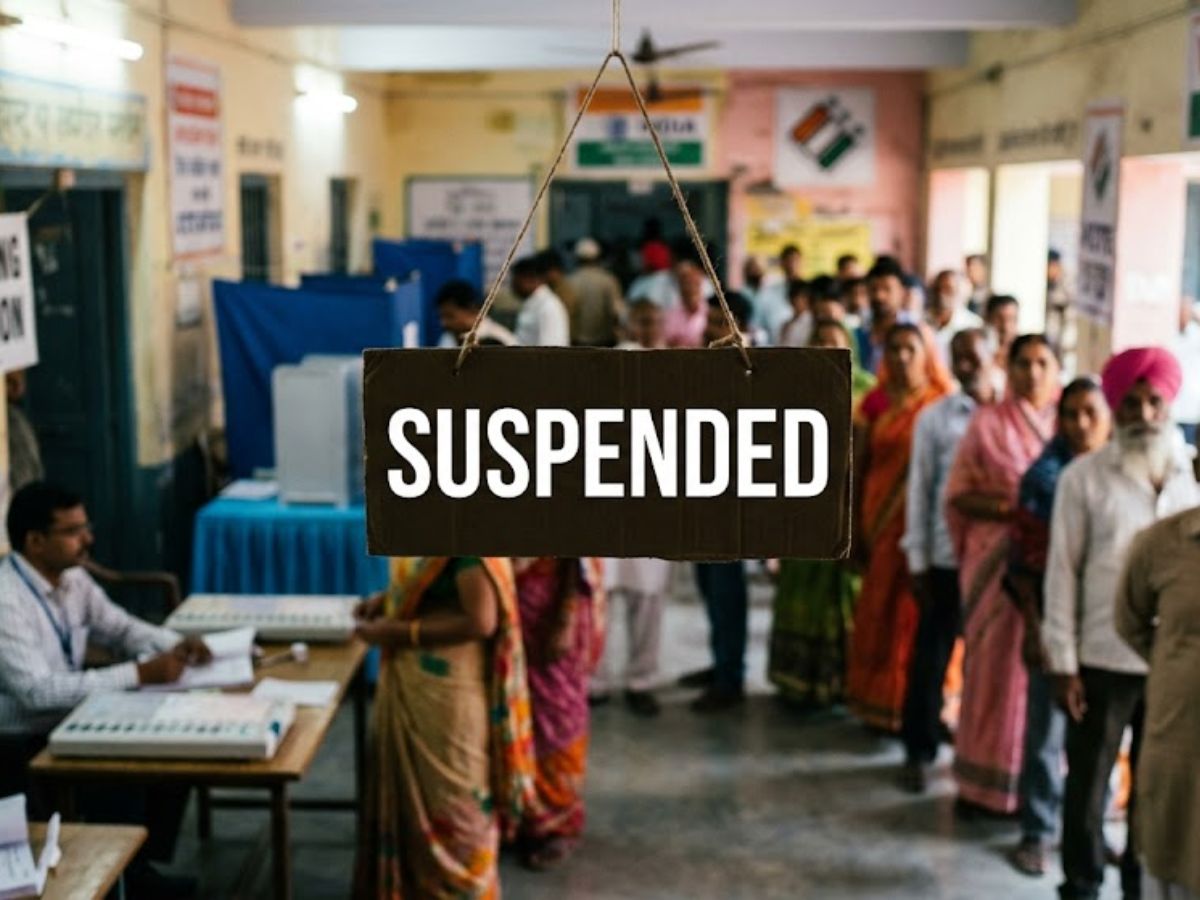
Indian elections have always been loud—full of slogans, symbols, and emotions. But the India that will vote in 2050 will not be impressed by noise alone. It will ask sharper questions, demand faster results, and replace leaders without hesitation. In India, the biggest political change of the next 25 years will be the shift from identity-based mobilisation to performance-driven governance, where power belongs to those who can make the state actually deliver.
SHIFTING FROM FAITH-BASED LOYALTY TO FEEDBACK-DRIVEN ACCOUNTABILITY
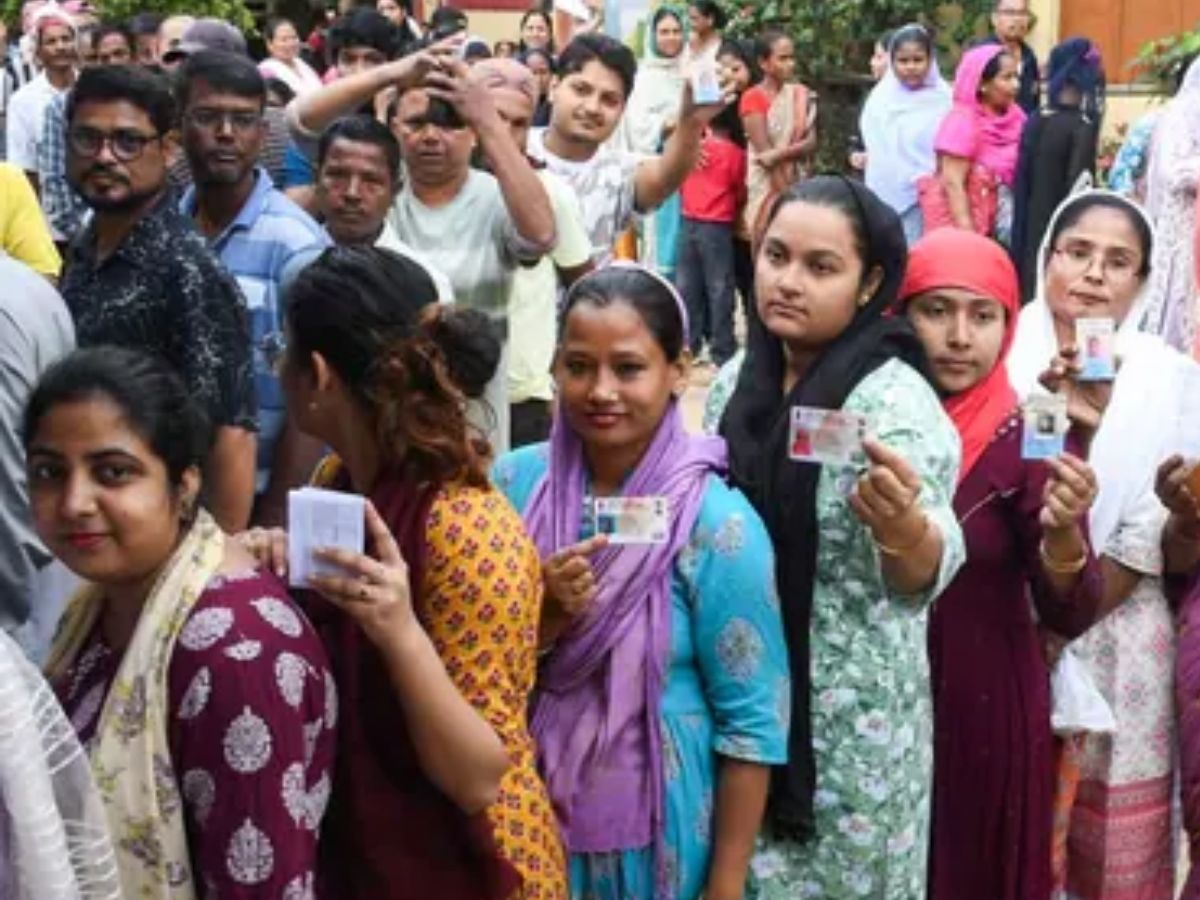
By 2050, more than half of India’s voters will be born after the year 2000. This generation is digital by instinct, impatient by nature, and transactional in expectations. It respects democracy but does not worship leaders. It values identity, but it votes on outcomes. For this voter, the ballot will not be an act of loyalty—it will be a performance review.
A TRANSACTIONAL DEMOCRACY
The traditional “netaji culture” will steadily erode. Leaders will be treated as temporary representatives, not permanent authorities. Citizens will change governments without guilt or nostalgia. Emotional bonds will weaken; accountability will strengthen.
Trust will no longer come from ideology alone, but from transparency, speed, and results. Democracy will become more demanding—and less forgiving.
THE NEW VOTER MINDSET
Caste, religion, and community will continue to matter in Indian politics, but their power will decline as decisive factors. What will dominate instead are tangible concerns: employment in an AI-driven economy, income stability, urban infrastructure, healthcare access, climate resilience, and quality education.
The voter of 2050 will not ask who a leader is or where they come from. The question will be brutally simple: What changed in my life during your term? Emotional narratives may mobilise crowds, but they will no longer secure long-term loyalty.
This shift will weaken permanent vote banks and strengthen floating, performance-driven electorates.
RISE OF THE EXECUTIVE LEADER
Political leadership will also be forced to evolve. Charisma without competence will struggle to survive beyond a single term. Leaders will increasingly resemble executive managers rather than mass mobilisers—expected to understand economics, technology, climate risks, and governance systems.
Rhetoric will still matter, but it will no longer compensate for administrative failure. Governance dashboards, data transparency, and measurable outcomes will define credibility. Leaders who cannot deliver will be exposed quickly, amplified by social media and digital scrutiny. In short, leadership will move from mobilization to management.
ISSUES THAT WILL DEFINE POWER
Politics in 2050 will revolve around fewer but sharper issues. Employment will be the central anxiety—not just jobs, but relevance in an automated economy. Climate change will no longer be abstract; it will be visible in water shortages, heat stress, and migration. Mega-city governance, healthcare for an ageing population, cyber security, and federal balance will dominate political debate.
Symbolic politics will not disappear, but its shelf life will be short. Governments that cannot address structural challenges will lose legitimacy faster than ever before.
HIDDEN RISKS OF AI IN INDIAN POLITICS & GOVERNANCE
By 2050, AI may deepen challenges in Indian politics by enabling large-scale misinformation, deepfakes, and emotionally manipulative campaigning that distort public debate. Hyper-targeted political messaging can fragment society, replacing shared democratic conversations with isolated echo chambers. Increased automation in governance also risks reducing transparency and accountability, as decisions made by algorithms become harder for citizens to question or understand. Without strong regulation, ethical standards, and digital literacy, AI could concentrate power in the hands of those who control data and technology—weakening trust, fairness, and the democratic spirit of Indian politics.
CAMPAIGNS, MEDIA, AND ALGORITHM
Election campaigns will transform dramatically. Large rallies will survive as spectacle, but persuasion will happen through hyper-personalised messaging. Artificial intelligence will map voter sentiment, while social media will remain the primary political battlefield.
Traditional media will lose agenda-setting dominance. Credibility—not reach—will become the most valuable political currency. Misinformation will exist, but so will real-time verification, digital trails, and automated fact-checking. The politician who cannot communicate clearly in the digital space will become irrelevant.
POLITICAL PARTIES AS INSTITUTIONS
By 2050, India is likely to have fewer but stronger national parties. Regional parties will survive only if they deliver governance beyond identity politics. Dynasties may persist, but competence will no longer be optional.
Political organisations will resemble hybrid institutions—part ideological movement, part professional enterprise—supported by policy experts, data teams, and internal think tanks. Parties that refuse to modernise will fade.
WHO WILL LEAD INDIA?
Future leaders will increasingly emerge from professional, entrepreneurial, and governance backgrounds. Grassroots leaders with proven administrative records will rise faster than career agitators. Representation will still matter—but merit will matter more. The era of leadership by inheritance alone will steadily decline.
THE FINAL SHIFT
Indian politics in 2050 will be less emotional, more transactional, less symbolic, more performance-driven; less leader-centric, more system-centric.
Democracy will not weaken—it will become stronger, sharper, tougher, and more demanding. Elections will no longer reward promises alone; they will punish failure mercilessly. In 2050, power will not belong to those who speak the loudest—but to those who deliver the fastest.
Anil Biswal Advisor, Lokatantra Research & Policy Foundation