
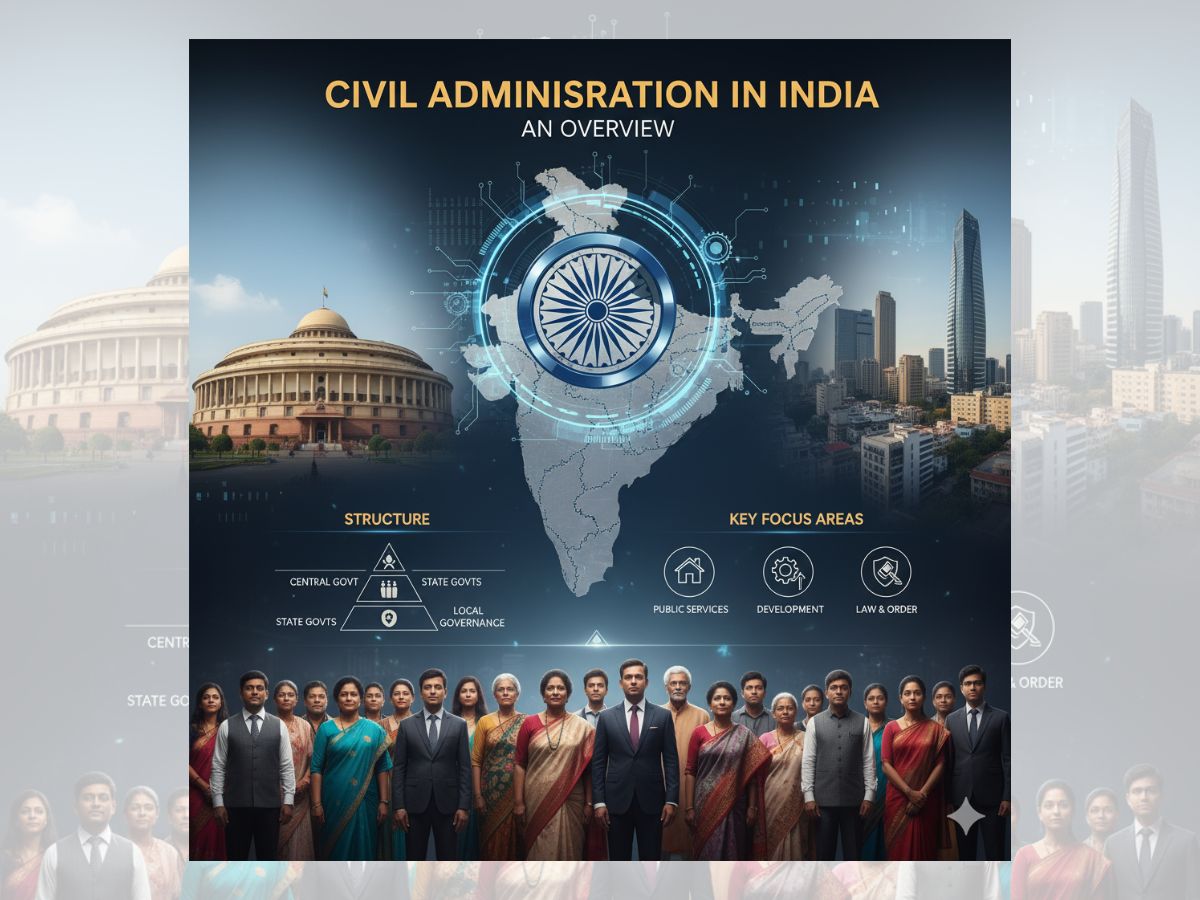
Civil administration in India is the backbone of government, responsible for putting government policies into practice, ensuring law and order, and facilitating grass-roots development. The District Magistrate (DM) and Sub-Divisional Magistrate (SDM) roles are critical in this structure, being direct points of contact between the government and the people.
The Unapproachable Bureaucracy: Public Struggles
Though indispensable, the civil administration has long been criticised for its inaccessibility to the public. Most citizens find it hard to get their complaints heard since DM and SDM offices are inaccessible. Most of the officials are complained of indulging themselves in personal enrichment at the expense of public service, creating an environment of corruption and bureaucratic indifference. The alienation results in frustration and distrust of the administration among citizens.
Potential for Positive Change
If district and sub-divisional civil servants were more responsive to citizens and accountable, they could greatly enhance delivery of governance outcomes. Accessible and dedicated leadership have the potential to rationalise delivery of services, eliminate red tape, and promote equitable development. Their proximity to local problems puts them in a position to best suit effective remedies and maintain law and order with integrity.
Key Areas Needing Focus
Experts see key areas for change as a means of stopping corruption, eliminating political meddling, and increasing openness. Making accountability systems stronger, implementing performance-based assessments, and promoting ethical behaviour are in order. Decentralisation of power and the empowerment of local government institutions can also make responsiveness and efficiency improve.
Expert Views on Reforms
Experts advocate for institutional changes like specialised civil service training, lateral entry to broaden expertise, and digitalisation to enhance citizen participation. Missions like Mission Karmayogi seek to develop administrative capabilities appropriate for modern governance dilemmas. Enforceable citizen charters for ensuring delivery of services and leveraging technology to enhance transparency are universally sought after.
Successful Examples and Way Forward
Examples of effective election administration and disaster response indicate that the administration can perform given facilitative conditions. Replicating such achievements on a large scale through wide-ranging reforms has the potential to result in an effective, corruption-free, and accessible civil administration. This would, in turn, make significant contributions towards nation-building by yielding trust, justice, and participatory development.