483
Pakistan’s military said on July 8 that three militant attacks since July 6 — near Quetta, at a police post guarding the Mangi Dam project in Ziarat, and on an army convoy on the N-25 highway near Bela — had killed 42 police, army personnel and civilians, while security forces killed 54 militants in the operations that followed. That announcement has put an even sharper edge on a question already reopened days earlier by a fresh assault on a Pakistan Coast Guards camp in Jiwani’s Panwan area on July 3, which put Gwadar back in the headlines. The Baloch Liberation Army claimed the strike as a “fidayeen” operation, putting the toll at more than 30 personnel killed and several others wounded. Islamabad hasn’t verified those numbers independently, but the attack — arriving in the same week as the military’s own province-wide toll — has reopened a question that refuses to go away: can Gwadar ever become the commercial hub it was built to be while its security situation stays this volatile?
This isn’t a one-off. It’s the latest entry in a growing list of strikes that have hit the port town and its surroundings over the past few years, and each one chips away a little more at the confidence Pakistan and China have tried to build around the China-Pakistan Economic Corridor’s centrepiece project.
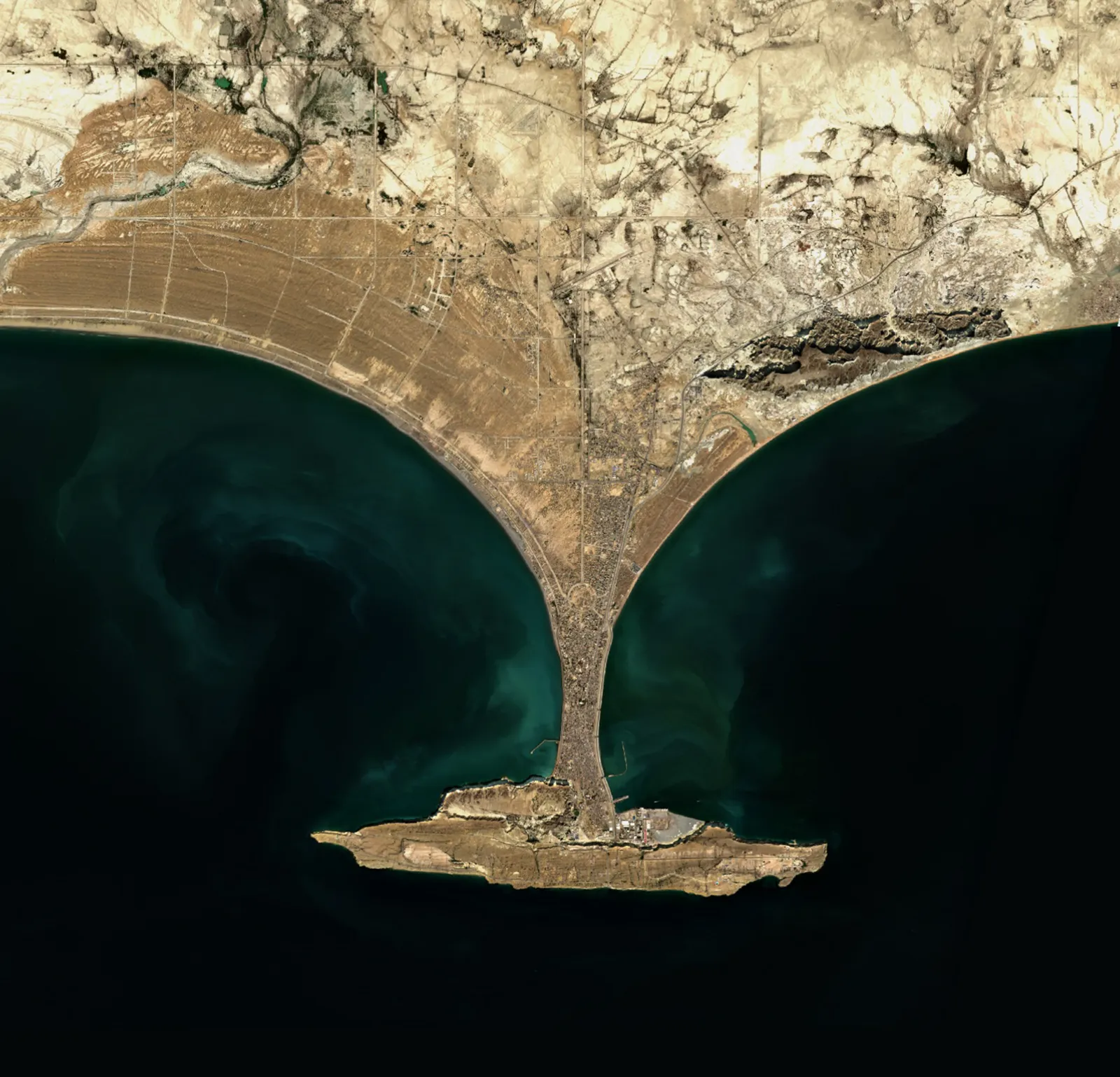
Gwadar’s pitch has always rested on geography. Sitting close to the Strait of Hormuz, it’s meant to be the link connecting western China, Central Asia and the Gulf through a web of highways, railway lines and pipelines. Beijing has poured money into roads, port infrastructure, power plants and industrial zone plans under CPEC. On paper, the location is close to unbeatable. In practice, actual cargo volumes and business activity have never matched the ambition.
Look at the pattern of violence and it stops looking like bad luck. Just this April, militants opened fire on a Coast Guard patrol boat near the Pakistan-Iran border, killing three personnel — notable because it was among the first attacks to directly hit Pakistan’s maritime security setup in the Arabian Sea. Go back to March 2024 and gunmen stormed the Gwadar Port Authority complex itself, one of the most heavily guarded sites in the city; all eight attackers and two soldiers were killed. Before that, there was the August 2023 attack on a convoy of Chinese engineers, which was repelled by security forces without casualties on the Chinese side, and further back, the 2019 siege of the Pearl Continental Hotel, an attack widely believed to have been aimed at Chinese nationals staying there, which killed five people including four hotel staff and a navy soldier.
Each incident on its own might read as an isolated security lapse. Strung together — and reinforced by the wider provincial toll the military disclosed this week — they point to something structural. A port doesn’t operate as a sealed-off facility — it lives or dies by the roads, rail lines, communication networks and cargo corridors feeding into it. Guard the berths all you want; if the highways leading inland aren’t safe, the whole logistics chain still breaks down.
That’s the piece security analysts keep flagging. Ships can dock safely at Gwadar, but goods still need to move to and from markets further inland, and that’s where convoy escorts, sudden road closures and recurring disruptions start eating into the port’s competitiveness. Shipping operators don’t have much tolerance for that kind of unpredictability — global freight runs on tight schedules, and every security-related delay ripples through supply chains elsewhere. Add in higher insurance costs, extra security spending and crew-safety concerns, and Gwadar starts looking less attractive next to ports that don’t carry the same baggage.
The timing matters too. Pakistan has been trying to pull private capital into the special economic zones around Gwadar now that the basic infrastructure is largely in place, part of what officials call CPEC’s second phase. But investors weighing money for factories, warehouses or logistics hubs tend to look past incentive packages and ask a simpler question first: is this place stable enough for the long haul? Recurring attacks, and a week like this one, make that question harder to answer with a yes.
None of this writes off Gwadar’s future outright. Pakistan keeps reinforcing its security presence in the region — its military spokesman this week vowed to pursue “each and every terrorist, their facilitators, those who harbour them” — China keeps reaffirming its commitment to CPEC, and construction hasn’t stopped despite the setbacks. Both sides still call the corridor a strategic priority.
But the latest attack, and the broader wave of violence it sits alongside, is a reminder of how far that commitment needs to travel before it translates into real commercial traction. Gwadar’s problem was never really about the port itself — it’s about everything around it.