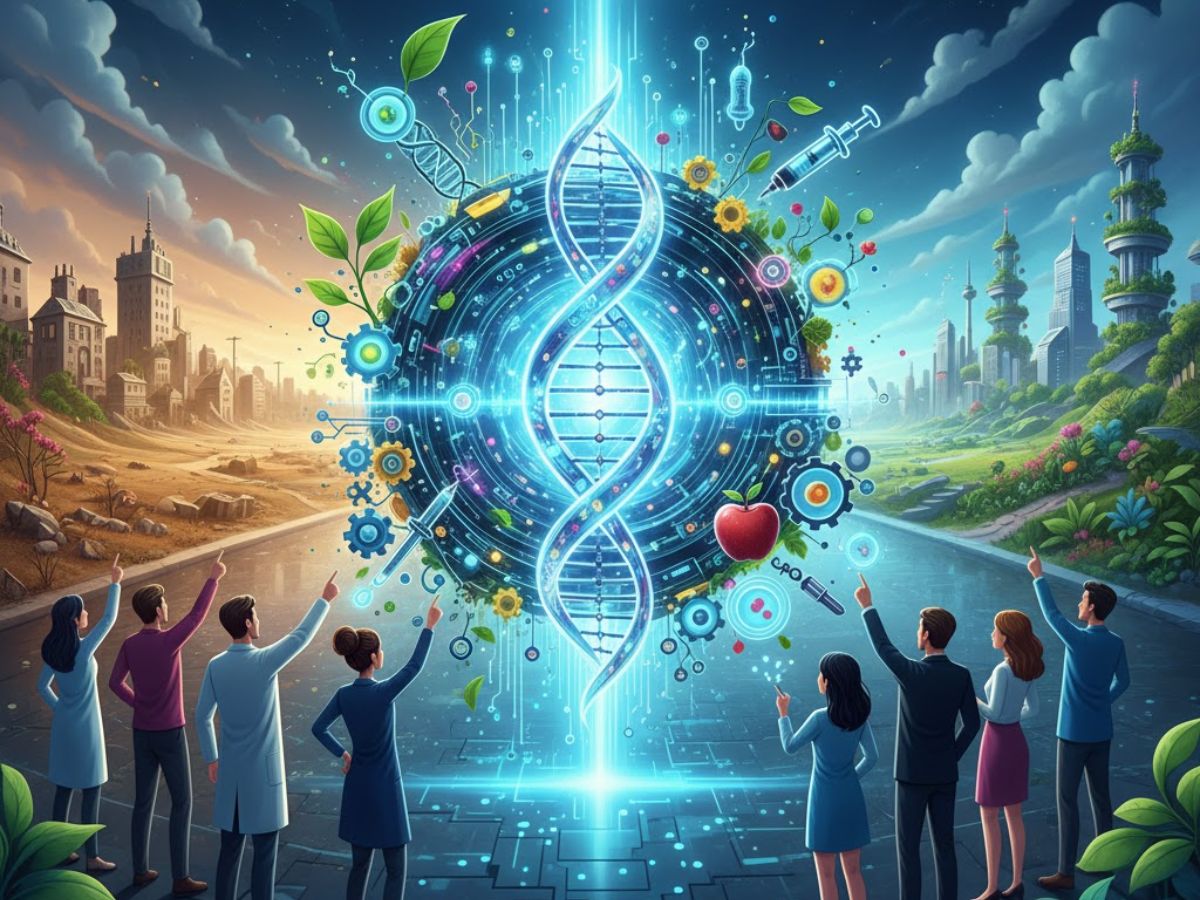
Biotechnology is a multidisciplinary science that uses biological systems, living organisms, or their components to develop technologies and solutions for healthcare, agriculture, and industry. While it may sound like a modern, hightech field, biotechnology has been part of human life since ancient times. Early humans unknowingly practiced biotechnology when they selected plants for cultivation, domesticated animals, and used microorganisms to produce bread, wine, and beer.
Today, biotechnology has expanded into a broad and powerful field. It employs living organisms or biological processes to create a wide range of products such as drugs and therapeutics, nutritional compounds, environmentally friendly chemicals, biofuels, and novel functional materials. Medical biotechnology, agricultural biotechnology, and industrial biotechnology are increasingly becoming an integral part of our everyday lives.
One of the biggest strengths of biotechnology is its ability to address major global challenges. It has the potential to play a crucial role in tackling climate change through sustainable bio-based alternatives, improving food security by developing high-yield and stress-resistant crops, and enhancing energy security through renewable biofuels.
In healthcare, biotechnology is transforming the way diseases are diagnosed, treated, and even prevented. The development of vaccines, insulin, monoclonal antibodies, and the recent mRNA-based COVID-19 vaccines are powerful examples of how biotechnology saves millions of lives. Gene therapy and personalized medicine are opening doors to potential cures for genetic disorders that were once considered untreatable.
Biotechnology also offers benefits beyond medicine. It helps reduce environmental pollution through bioremediation, where microorganisms are used to clean up oil spills and toxic waste. Industrial biotechnology enables cleaner manufacturing processes, reducing reliance on harsh chemicals and lowering carbon emissions. These innovations contribute to a more sustainable and eco-friendly future.
However, like all powerful technologies, biotechnology comes with potential risks. The widespread use of genetically modified organisms (GMOs) may lead to genetic homogeneity, making ecosystems less resilient to pests and diseases. There are concerns about loss of biodiversity, ecological disruptions, and the possibility that new proteins in genetically modified foods could cause unexpected allergic reactions or toxicity. Risks also include laboratory accidents, ethical concerns surrounding human genetic manipulation, and misuse of biotechnological tools.
Despite these challenges, the benefits of biotechnology are immense when accompanied by responsible research, strict regulations, and ethical oversight. As the world faces issues such as an aging population, emerging infectious diseases, and environmental degradation, biotechnology stands out as a key driver of innovation and hope.
In the present era, biotechnology is not just changing the world it is shaping the future of human survival, health, and sustainability. Aarya Abhijit Bhatt, is a student of Biotechnology at L J University, Ahmedadad.