
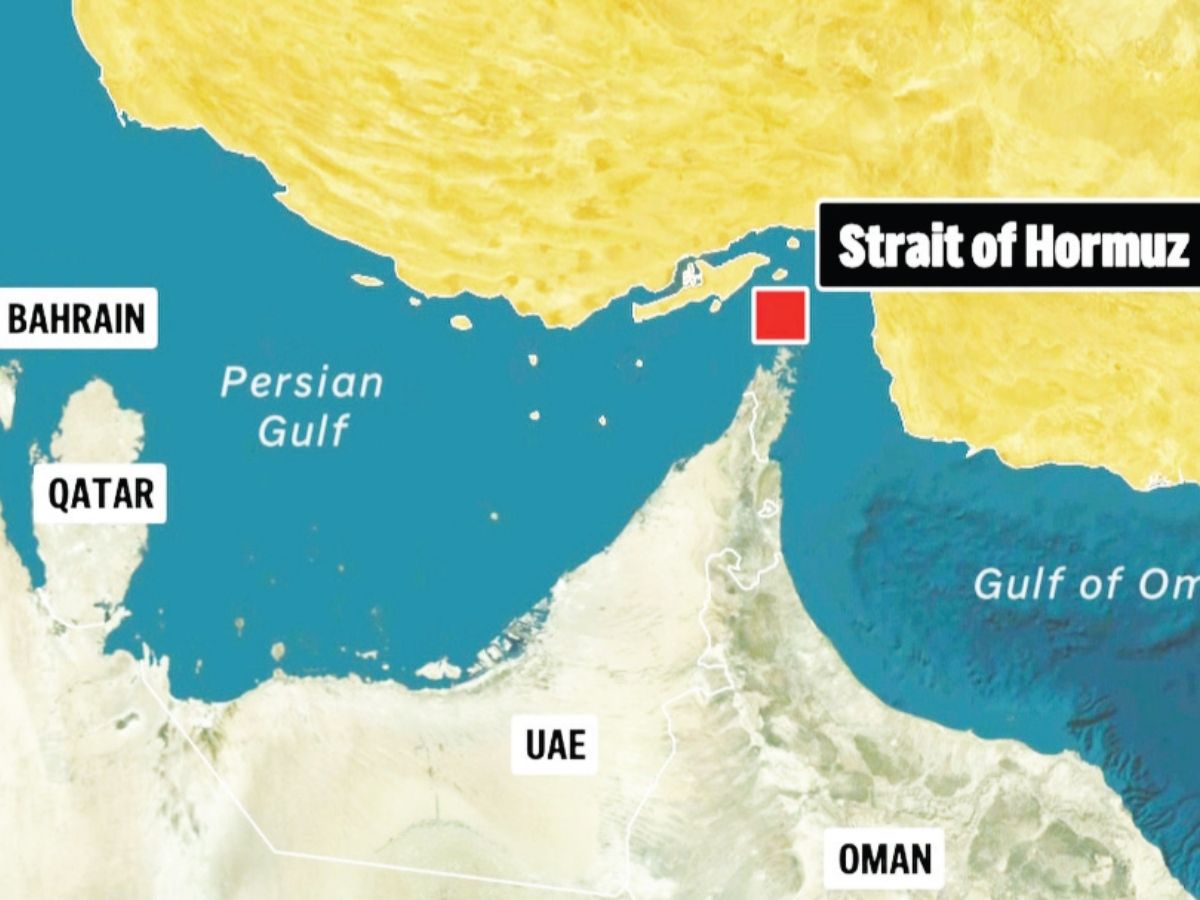
Every serious study of global energy security, eventually, arrives at the same map. It shows the Strait of Hormuz through which flows roughly a fifth of the world’s seaborne oil and a similar share of its liquefied natural gas. The studies note this as a vulnerability. They recommend diversification, strategic reserves, and alternative routes. They are produced at regular intervals, filed at higher ones, and implemented almost never. The Strait remained open. The reports accumulated.
The Strait has closed. The closure is different in character from what those studies modelled, but similar in their private estimates of consequence. The United States and Israel struck Iran on the twentyeighth of February 2026. Iran retaliated by effectively shutting the strait. Gulf oil production has fallen by ten million barrels per day. Traffic through Hormuz has dropped to less than ten percent of pre-war levels. The IEA called it the largest supply disruption in the history of the global oil market. Brent crude moved from seventy-two dollars to over one hundred and thirteen in a matter of weeks.
The Qatar LNG shock, initially delivered by drone, has since been compounded. On the night of March 18, Iran fired five ballistic missiles at Ras Laffan Industrial City, the 295-square-kilometre complex housing QatarEnergy’s LNG terminals and Shell’s $18 billion Pearl GTL plant, built for $70 billion in 2011 dollars. One missile struck. A second attack that night set fires that civil defence teams worked through the morning to contain. The outage extended from weeks into months. Ras Laffan supplies roughly a fifth of global LNG. There is no strategic reserve for LNG, a sentence whose full significance has not yet entered the mainstream economic conversation.
Beneath Ras Laffan lies the North Field, Qatar’s portion of the world’s largest natural gas reservoir. Iran’s side is South Pars, which Israel struck on March 18. The reservoir covers 9,700 square kilometres, holds approximately 40 percent of the recoverable reserves of the world’s twenty-five largest gas fields, and is only 10 percent depleted. The surface infrastructure on both sides of the border has now been struck. The gas waits (90 percent of it) while a decade of reconstruction begins above it.
The aggregate damage is, in the optimistic reading, sobering but manageable. Goldman Sachs estimates a swift resolution would reduce global growth by 0.4 percentage points and add 0.7 points to inflation. Oil averaging one hundred and thirty dollars through the second quarter would strip close to a full percentage point from world GDP, enough to push the eurozone toward recession and lift the twelve-month probability of American recession to twenty-five percent.
But averages deceive. The distribution of pain is extremely uneven. The United States, a net energy exporter, loses on one ledger and gains on another. Europe, which imports sixty percent of its energy, takes the hit squarely; natural gas prices there have surged to €54 per MWh. Asia is the most exposed continent. Eighty-four percent of crude transiting Hormuz was bound for Asian markets in 2024. South Korea and Japan source roughly seventy and ninety-five percent of their oil respectively through the strait. The Philippines has ordered a four-day working week for public sector workers.
There is a transmission mechanism almost no commentary has named precisely. Asian economies settle energy in US dollars. When oil prices rise, import bills rise in dollar terms. Simultaneously, widening current account deficits weaken local currencies, making the next barrel more expensive still. ING finds every ten percent rise in oil prices deteriorates Asian current accounts by 40 to 60 basis points; Morgan Stanley calculates the same ten-dollar-per-barrel move reduces Asian GDP growth by 20 to 30 basis points. These are not additive shocks. They compound. Goldman Sachs has forecast the Indian rupee sliding to 95 per dollar and cut India’s 2026 growth forecast by half a percentage point to 6.5 percent.
India’s structural exposure runs deeper than import-share figures suggest. Forty-four percent of global seaborne sulphur and 43 percent of traded urea pass through Hormuz. Urea prices at the New Orleans import hub jumped 32 percent in six days, from $516 to $683 per metric tonne. Kharif planting season is upon us. The downstream food price risk is not a hypothetical; it is being planted into soil right now. India is also the world’s second-largest LPG importer, with stocks covering only two to three weeks of demand. Indian gas firms have cut industrial supply by 10 to 50 percent. Eight LNG import terminals operate; no formal gas strategic reserve exists. A gap that sat in government reports for a decade is now acutely visible.
The futures market is quietly pricing in the larger lesson. WTI for April 2026 trades near a hundred dollars. For December, seventy-one. The market believes the war will end. It does not believe the world returns to where it was. The Japan-Korea Marker (Asia’s LNG benchmark) sits at €43 per MWh. Goldman calculates a monthlong Hormuz halt risks driving it toward €74 per MWh, the threshold at which Europe’s 2022 energy crisis triggered industrial demand destruction.
The risk premium on Gulf energy is now structural, not temporary. Iran has learned that a cheap drone can disrupt a two-hundred-million-dollar cargo, and the insurance markets will do the rest.
One wonders whether this shock might finally force the energy security planning that has sat in government reports, in New Delhi and in a dozen other capitals, for two decades, recommended and unimplemented. The rupee’s vulnerability, the LPG shortfall, the absent gas reserve, the fertiliser exposure to a single waterway: none of this was unforeseeable. All of it was foreseen. The reports recommended diversification, strategic reserves, and alternative routes. They were produced at regular intervals. They were filed. The Strait remained. Now it has closed, and the filing cabinets offer no relief.
Aditya Sinha writes on macroeconomics and geopolitics.