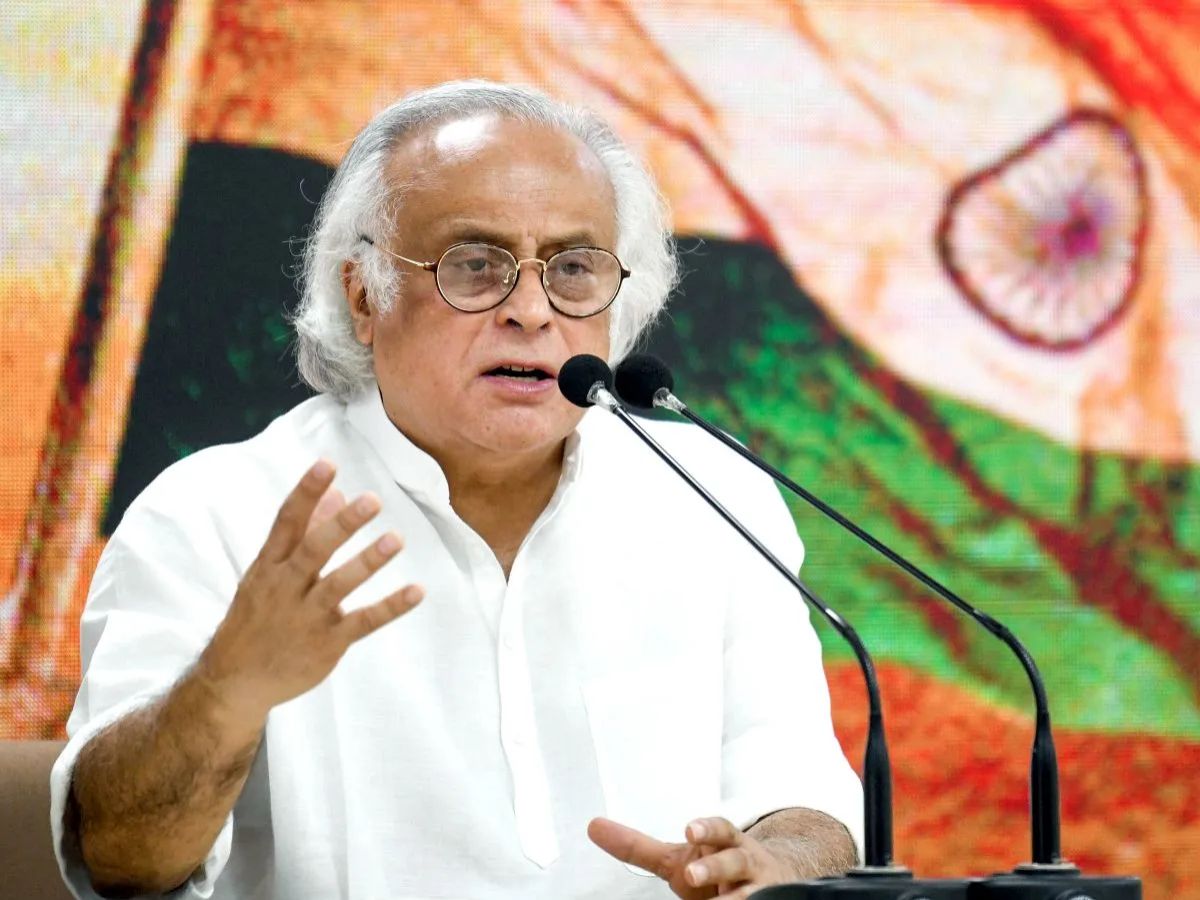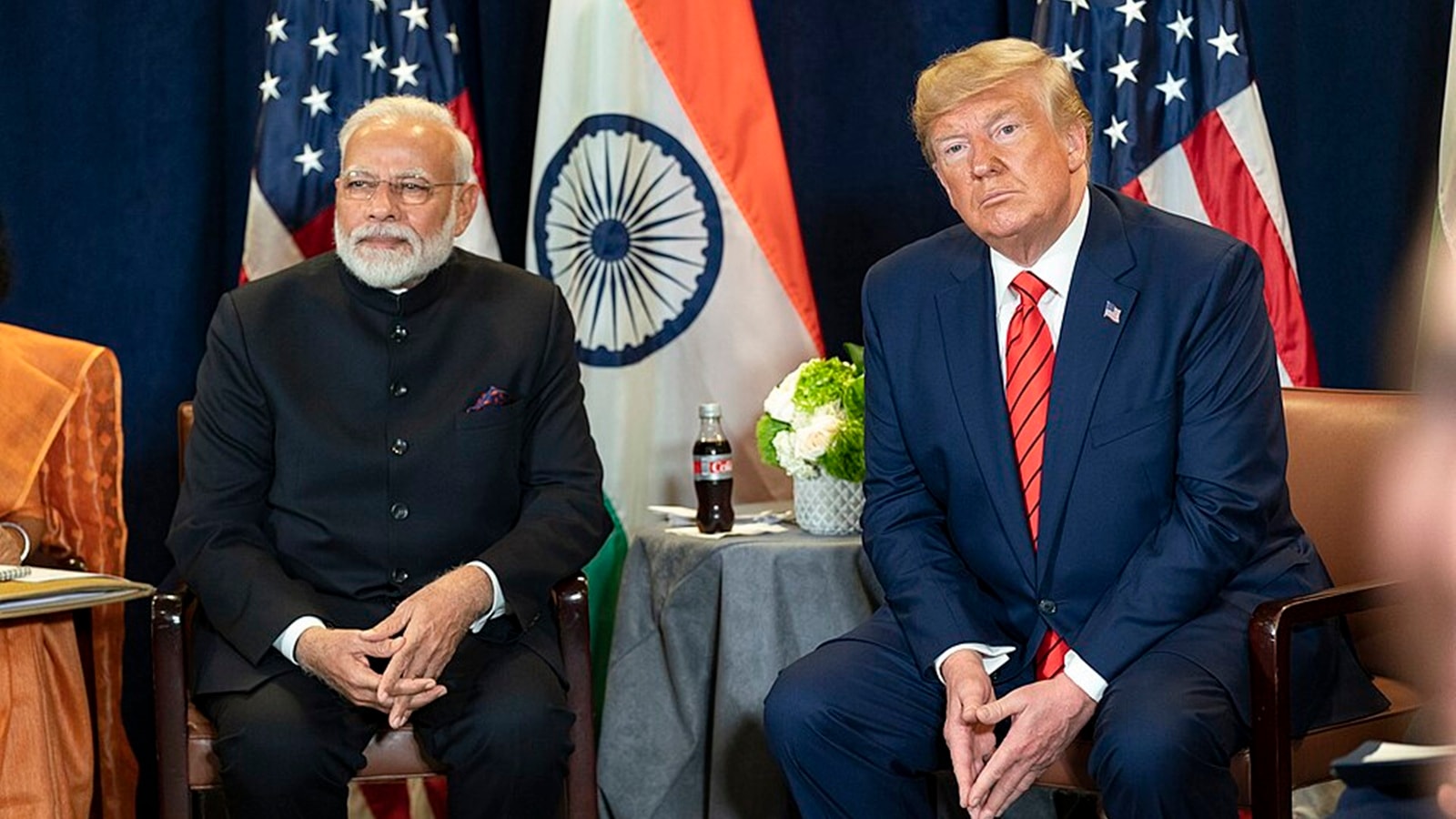
The Congress party-led Opposition to the BJP government is trying to create a political firestorm by accusing the government of being essentially gutless with Donald Trump and failing to speak up, particularly against several US actions involving Iran. They argue that Prime Minister Narendra Modi, through his “silence”, has refrained from criticising Trump to such an extent that it is damaging Indian interests.
But does this claim amount to little more than opportunistic political point-scoring?
In reality, Prime Minister Modi has been restrained and diplomatically responsible, acting in a manner that serves India’s strategic and economic interests. Rather than remaining silent, he has avoided incendiary rhetoric that could further inflame tensions surrounding the war in Iran — something the Opposition appears keen for him to do.
Taking an overtly confrontational stance against Trump could risk undermining an emerging and potentially productive trade deal with the United States, one that could generate jobs across sectors. The kind of aggressive rhetoric that the Congress appears eager to deploy against Washington could instead provoke hostility, jeopardising relief on oil prices and potentially tightening sanctions on Russian oil purchases — a source India continues to rely on.
Such an approach could also place additional pressure on strategic arrangements like the Quad, which remains critical to safeguarding India’s sovereignty and maintaining stability in the region, particularly in the event of major conflicts with neighbouring states.
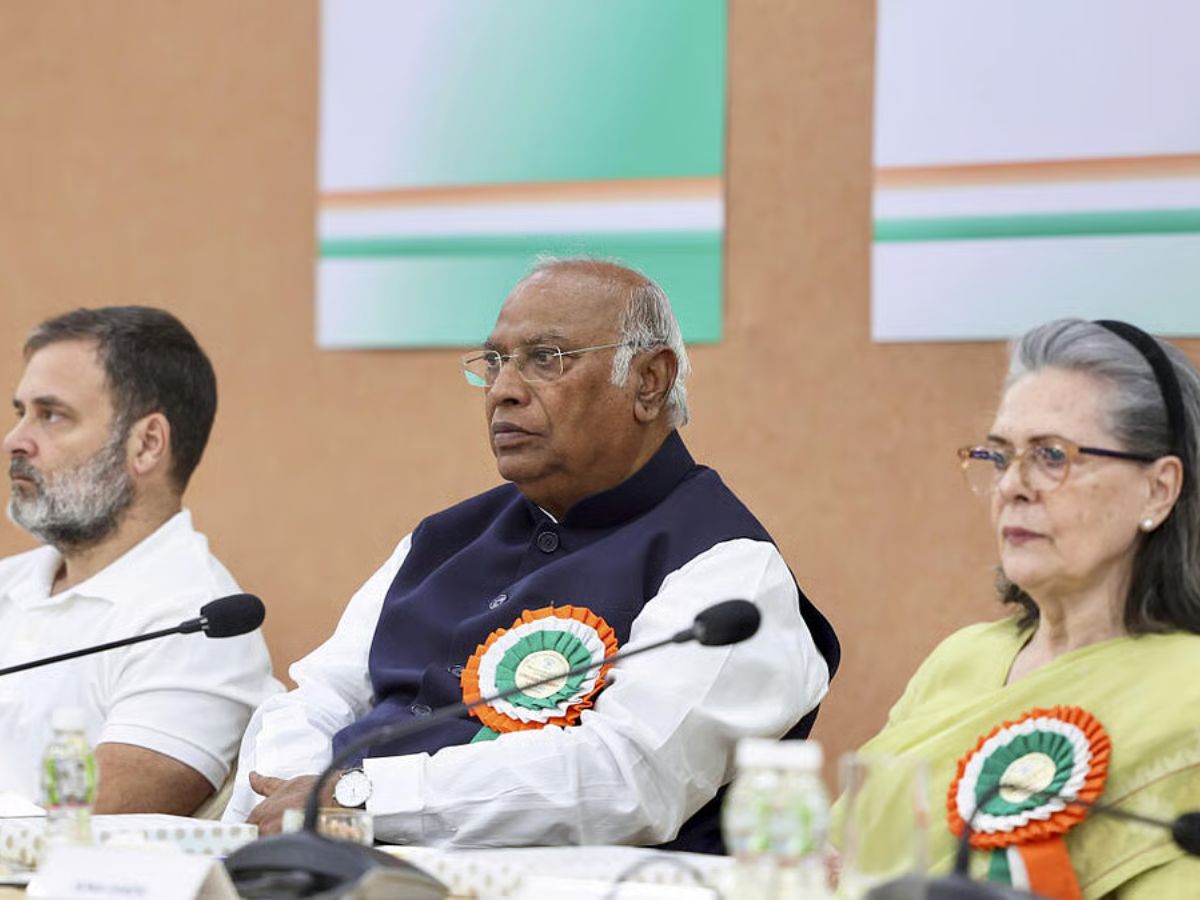
Prominent figures within the dynastic leadership of the Opposition have launched a strong verbal offensive against the government over Iran and various issues involving Trump. For instance, according to early March 2026 reports, Congress Parliamentary Party chairperson Sonia Gandhi criticised Prime Minister Modi for his alleged silence over the targeted assassination of Iran’s Supreme Leader, Ayatollah Ali Khamenei. Similarly, a Times of India headline read: “Iran crisis: Rahul Gandhi questions PM Modi’s ‘silence’ on warship sinking in ‘our backyard’.” Another headline in The Federal stated: “Congress questions PM’s ‘silence’ on Trump’s ceasefire claims” during a previous India-Pakistan conflict.
Would the Opposition prefer abandoning India’s strategic autonomy and balanced diplomacy in favour of publicly confronting Washington with rhetorical grandstanding? Such an approach could undermine crucial trade negotiations with the US administration and potentially worsen tariff regimes. Moreover, if the Opposition’s more confrontational strategy prevailed, India might struggle to secure waivers against sanctions on Russian oil — waivers that help shield India’s poor and middle classes from rising energy prices and turmoil in the Gulf.
Congress also appears to overlook Washington’s own strategic concerns regarding the Iranian regime and the possibility that the United States sees a rare opportunity to prevent Tehran from acquiring nuclear weapons capability. This does not necessarily mean that all US actions are fully justified under international law or universally acceptable. Nevertheless, the strategic calculations behind them cannot simply be dismissed.
Prime Minister Modi, in contrast, has adopted a balanced and statesmanlike approach. Ironically, what the Opposition seems to demand is not genuine debate but silence from the Prime Minister regarding his efforts to promote stability. It is not that Modi has been silent on Iran, as some Opposition leaders suggest; rather, they appear dissatisfied with the substance of what he has said.
At the same time, some Opposition voices have increasingly pushed for a more combative stance towards the United States, even as they accuse the government of excessive nationalism. The contradiction is striking.
The Prime Minister has acknowledged the complexities surrounding international law and sovereignty in relation to certain US actions. He has emphasised the importance of respecting both principles while continuing India’s strong stance against terrorism and hegemonic behaviour. These positions can hardly be described as silence.
It is also worth remembering that President Trump’s occasional preference for unilateral action — including military strikes against Iran — is often framed in Washington as a response to what many perceive as the United Nations’ inability to address serious global security threats. New Delhi appears to recognise this perspective, even as Congress dismisses the possibility of Iran eventually acquiring nuclear weapons while continuing to bear rhetoric from Tehran directed against Israel and the United States.
At the same time, New Delhi has made clear to Washington that some interventions may go too far, particularly when they affect the Global South and India’s own interests. Notably, even before the Iran conflict escalated, the US Treasury Secretary had signalled possible tariff relief for India — an indication that a measured diplomatic approach can produce tangible benefits.
Opposition parties have every right to question government policy. However, when criticism appears misdirected and risks harming national interests, it raises legitimate questions about whether the Opposition is serving the country effectively. Congress’ current navy seems a diminished reflection of its earlier leadership, whose stature — though far from perfect — commanded greater respect. Parliamentary theatrics and belated confrontations over Trump hardly amount to statesmanship.
India needs a strong and responsible Opposition, one capable of constructive engagement rather than actions that risk damaging relations with a key strategic partner like the United States.
There may be a reason why the BJP under Narendra Modi has won three consecutive elections. Perhaps the Opposition should reflect on whether a more thoughtful and cooperative approach — particularly in matters of foreign policy — would serve the country better than repeatedly accusing the government of being silent or subservient to Washington.
Peter Dash writes widely on geopolitics and has been published around the world and interviewed by major media. He currently teaches in the Global South.