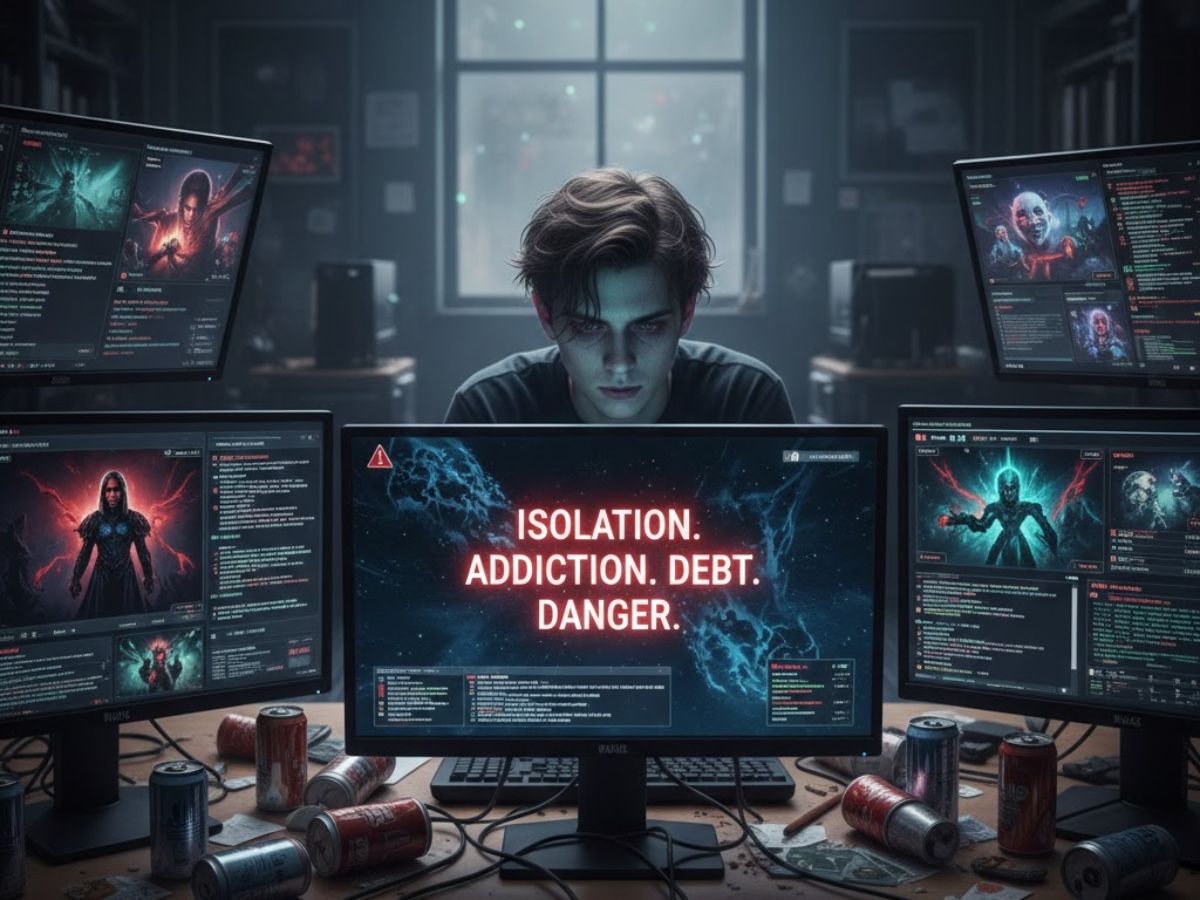
The recent controversy over Roblox the gaming platform has once again flagged the dangers of unsupervised use of the digital world by kids. Unfortunately these days, play time is not what it was in the old days. Kids do not go out to play in parks but instead are wired onto their phones and playstations, fixing playdates online. Given that, whom they meet whether the digital avatar they are bonding with is actually a kid or a grown-up sexual predator masquerading as a kid is difficult to ascertain. This was highlighted when a sting operation by a youtuber Schelp conducted a sting operation on the gaming platform Roblox to catch predators. Roblox has since then upped its regulatory measures and age verification scans to ensure that the users are actually the age that they claim to be. Face scans are one of the systems put in place. But every rule has a loophole and there are stories of how fake accounts masquerading as young kids are available at ebay. There are some games that do not allow separate chats and DMs amongst users and limit the number of emojis and even chat words to the social without divulging any personal information.
This is not the only danger of the online gaming world. Another concern is user addiction that lures the kid into a very competitive adrenalin pumping world. And the rampant rise of consumerism in the very young. To play some of these games, the users have to create avatars for themselves. They can then update and jazz up these avatars by purchasing `skins’ with Robux which is the online currency. But – in order to procure the said Robux you need actual money or a misuse of your parents’ credit cards. To upgrade your online experience you will also have to spend some more Robux. Try saying no to a child who has all his friends parading around in fancy skins. Literally, they have skin in the game.
Another challenge is the behavioural disorder amongst the kids who would rather interact with the online world than the real one. It is not as if all digital world is bad. Today’s kids are more aware and in touch with the world outside than perhaps we were at their age. The task then is to help them process the good from the bad. That discernment comes with age and experience and that is where the parent comes in. So it is important for the parent to be aware of what all is keeping the kid so wired to her or his gadgets. There is also talk of regulation that goes beyond the self regulation of the gaming platforms. Perhaps there should be a jury of parents who should play these games and categorise them according to their safety, kind of like the U/A certificate our films get.
This is indeed an issue all parents and school teachers need to address because online gaming is very much a part of the child’s growing up experience today.