We often spend a lifetime arriving at a simple yet profound realization: it is the moral duty of every human being to care for the well-being and sustenance of the diverse forms of life that share our planet.
Our indifference stems from many sources. For some, it is the convenient belief that the responsibility of protecting biodiversity rests solely with governments and administrative bodies. For others, it is the relentless pace of modern life that keeps us so consumed that we overlook our quiet but essential obligation toward the voiceless beings inhabiting the biosphere alongside us.
Whatever the reason, the need for change is undeniable. Each of us must consciously carve out time from our daily routines to nurture and protect other living creatures within our ecosystem. Compassion cannot remain an abstract virtue—it must translate into action.
The choice, ultimately, is ours. Just as individuals and organizations adopt villages, monuments, or public spaces, the time has come to extend that sense of responsibility to the voiceless lives around us. Whether it is feeding stray animals, placing water for birds, or simply ensuring that our actions do not harm the fragile balance of nature, every small effort counts.
In the National Capital Region, including Delhi, several biodiversity parks and ecological zones have been developed with provisions for food and water. Yet, the challenge extends far beyond these designated spaces. Life exists in every corner—on streets, in neighborhoods, across urban and rural landscapes alike.
It is here that human responsibility truly begins. We must step forward, not as passive observers, but as active custodians of the environment. Protecting biodiversity is not an isolated duty—it is a shared commitment that defines our humanity.
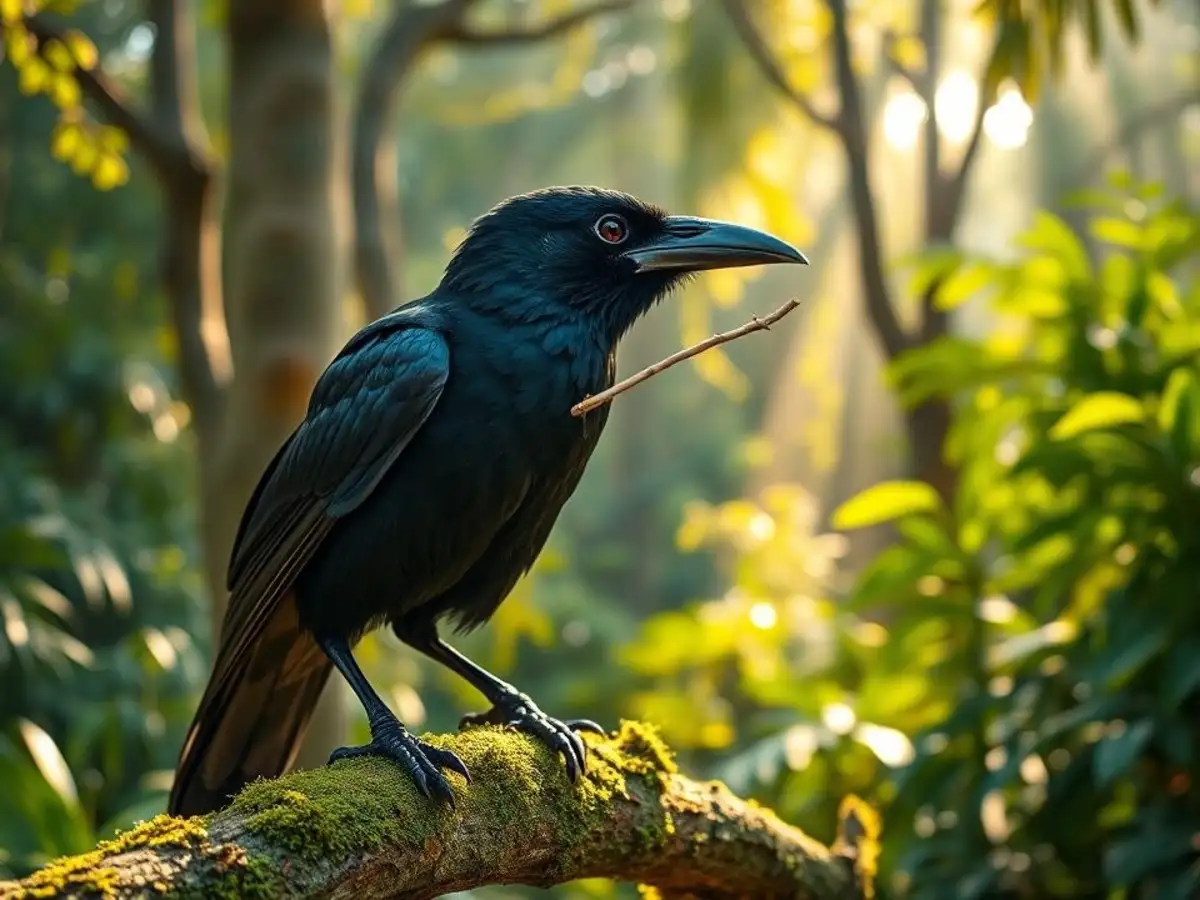
In the end, compassion is not merely a virtue we admire; it is the very essence of what makes us human. With the onset of April, May, and June, as temperatures soar, one of our greatest challenges is to create safe habitats with adequate water and food for migratory birds and other living beings around us.
This is a time to rise to the occasion—to transform ourselves into self-styled guardians of the voiceless by taking responsibility for the ecosystems in our immediate surroundings. A simple yet powerful step is to install water pots and food bowls for birds and animals that share our environment. Equally important is the commitment to replenish them regularly.
It is often assumed that nature, or the Almighty, will take care of all living beings. However, this belief overlooks a fundamental truth: humanity was created with the capacity for compassion and responsibility. If we do not act as caretakers of the world around us, we fail to fulfill our very purpose. Mankind without compassion loses its essence.
To make our lives meaningful, we must extend kindness and care to all forms of life. While providing food and water may demand time, effort, and resources, these acts are not burdens—they are sacred responsibilities. Small, consistent actions can collectively make a significant difference.
We must also think innovatively and work towards creating sustainable biodiversity zones within our communities. True harmony between humans and nature can only exist when we actively nurture and protect the life that surrounds us, while also addressing the gaps in our environmental practices.
Let us strive to become true stewards of nature—good Samaritans who not only feed animals and birds but also contribute to their long-term survival. Many species today face the threat of extinction, and our compassion can play a role in reversing that trend.
In an era that emphasizes holistic education, compassion must remain at its core. Inspiring young minds to care for other living beings not only supports their emotional and moral development but also shapes them into responsible and empathetic individuals. Such values are essential for building a stronger and more humane society.
This becomes even more relevant in today’s world, where rising stress levels among younger generations highlight the need for emotional grounding and ethical awareness. Compassion, when nurtured early, creates balanced individuals and fosters a culture of understanding and coexistence.
India, often described as a nation of 1.4 billion people, has the potential to become a nation of 1.4 billion compassionate individuals. This vision can become a reality if we collectively resolve to care—for our environment, for biodiversity, and for every living being that depends on it.
The time to act is now. Even the smallest gesture of kindness can ripple outward and create lasting change.
The author is a Political/Govt Political Media Commentator.